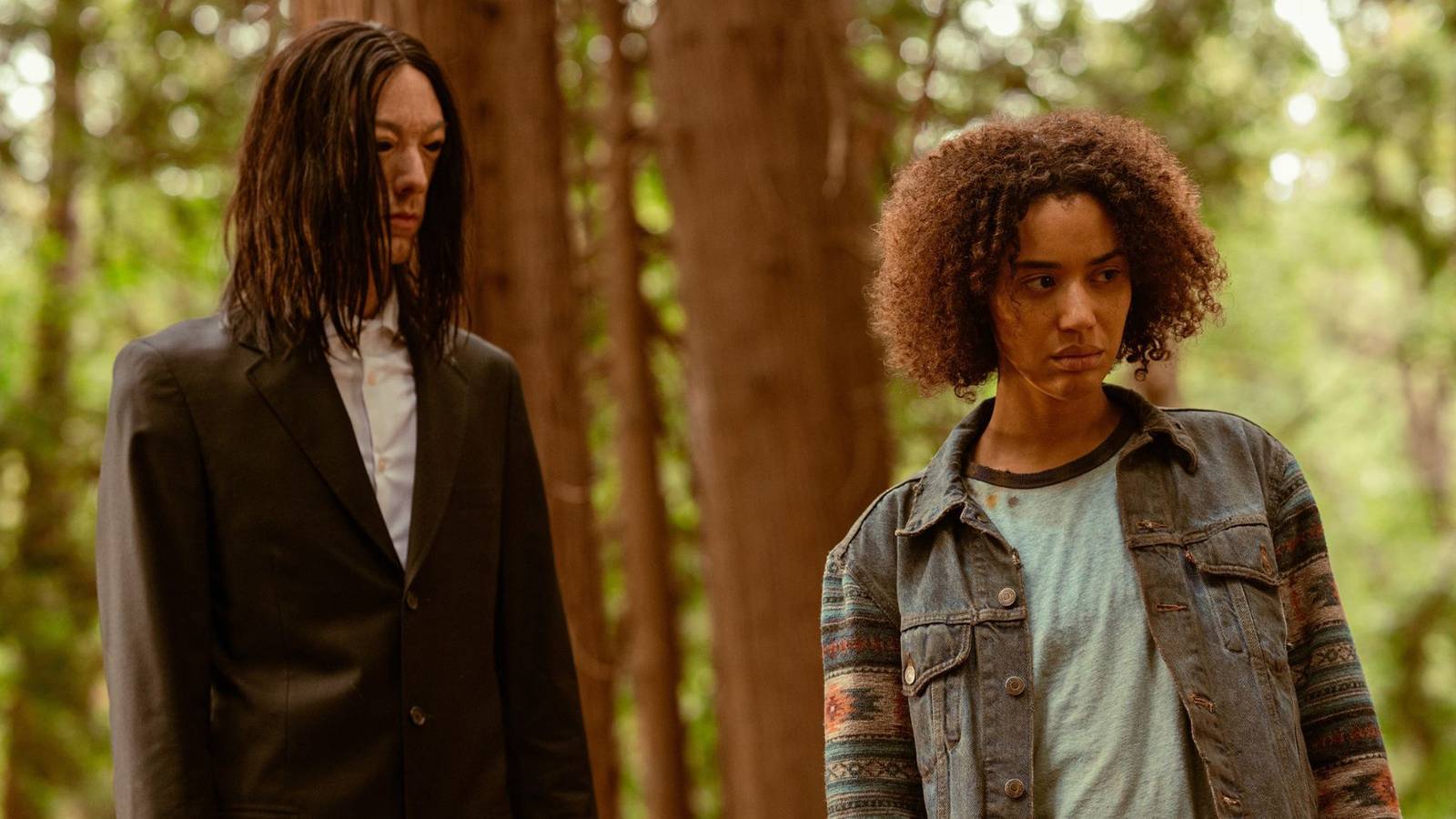
For fans craving a raw, unfiltered exploration of female rage and trauma, the television landscape has offered a tantalizing but sometimes frustrating journey. The hit series Yellowjackets burst onto the scene with a brutal premise: a 1990s girls' soccer team survives a plane crash only to descend into savagery in the wilderness, with their past sins haunting them decades later. Its first season was hailed as a revelation, praised for its complex female characters and its unflinching look at the darkness within. However, as the show progressed through multiple seasons, some viewers felt its narrative momentum waned, leaving core mysteries unresolved and its initial sharp focus on collective trauma somewhat diluted.
With Yellowjackets now preparing to conclude with its upcoming fourth season, a void is opening for a story that delivers a more concentrated, potent dose of these themes. Enter master of modern horror Mike Flanagan. His next project is a highly anticipated miniseries adaptation of Stephen King's seminal novel, Carrie. This focused format may be the perfect vehicle to execute what Yellowjackets initially promised: a cutting, definitive portrait of the violence that can erupt from teenage girlhood under extreme pressure.
Why a Miniseries Format Could Be Key
Yellowjackets excelled at showing how trauma bonds can curdle into toxicity and violence, exemplified by the fraught relationship between teammates Jackie and Shauna. Yet, the show's expansion into a multi-season mystery box has, for some, highlighted the challenges of long-form storytelling. Pacing issues and lingering supernatural ambiguities have sparked debate about whether the story's impact might have been greater in a more condensed format.
This is where Flanagan's Carrie has a distinct advantage. As a planned limited series, it won't face the pressure to stretch its narrative over years. The story of Carrie White—a relentlessly bullied teen who discovers terrifying telekinetic powers—is inherently streamlined. It builds with single-minded intensity toward its infamous, catastrophic climax. This structure allows Flanagan to hone in on the themes of persecution, maternal abuse, and explosive retaliation without the risk of narrative drift.
Flanagan's Proven Track Record with Trauma
The director is no stranger to mining profound human pain for horror. His acclaimed adaptations like The Haunting of Hill House and The Fall of the House of Usher are masterclasses in weaving family trauma into the fabric of terror. He has a unique talent for taking established works and imbuing them with emotional depth that resonates with contemporary audiences. Applying this sensitivity to Carrie promises a version that is both brutally bloody and psychologically acute.
Like the stranded athletes in Yellowjackets, Carrie White exists in a world devoid of safe havens. Tormented at school by cruel peers like Chris Hargensen and subjected to religious fanaticism at home by her mother, Margaret, her story is a pressure cooker. Flanagan's adaptation has the potential to push the dynamics of female cruelty and isolation even further than Yellowjackets, offering a more intimate and relentless character study. For fans of nuanced horror, this project is shaping up to be a must-watch, much like the flawless horror films lost to time that deserve rediscovery.
Filling the Void with Focused Fury
While there is hope that Yellowjackets will stick its landing in Season 4, Mike Flanagan's Carrie is already generating buzz as the next great horror event for viewers fascinated by stories of monstrous femininity and justified rage. It represents a return to a classic, contained tale where every scene builds toward an inevitable and devastating release.
The entertainment world is clearly hungry for such focused, high-impact horror, as seen in the success of projects like Zach Cregger's 'Weapons' on Prime Video. Flanagan's take on Carrie could similarly capture the cultural moment, providing the cathartic, terrifying, and deeply human story of female anger that a segment of the audience has been seeking. It stands as a potent reminder that sometimes, the most powerful stories are those that know exactly where they're going and aren't afraid to burn it all down to get there.