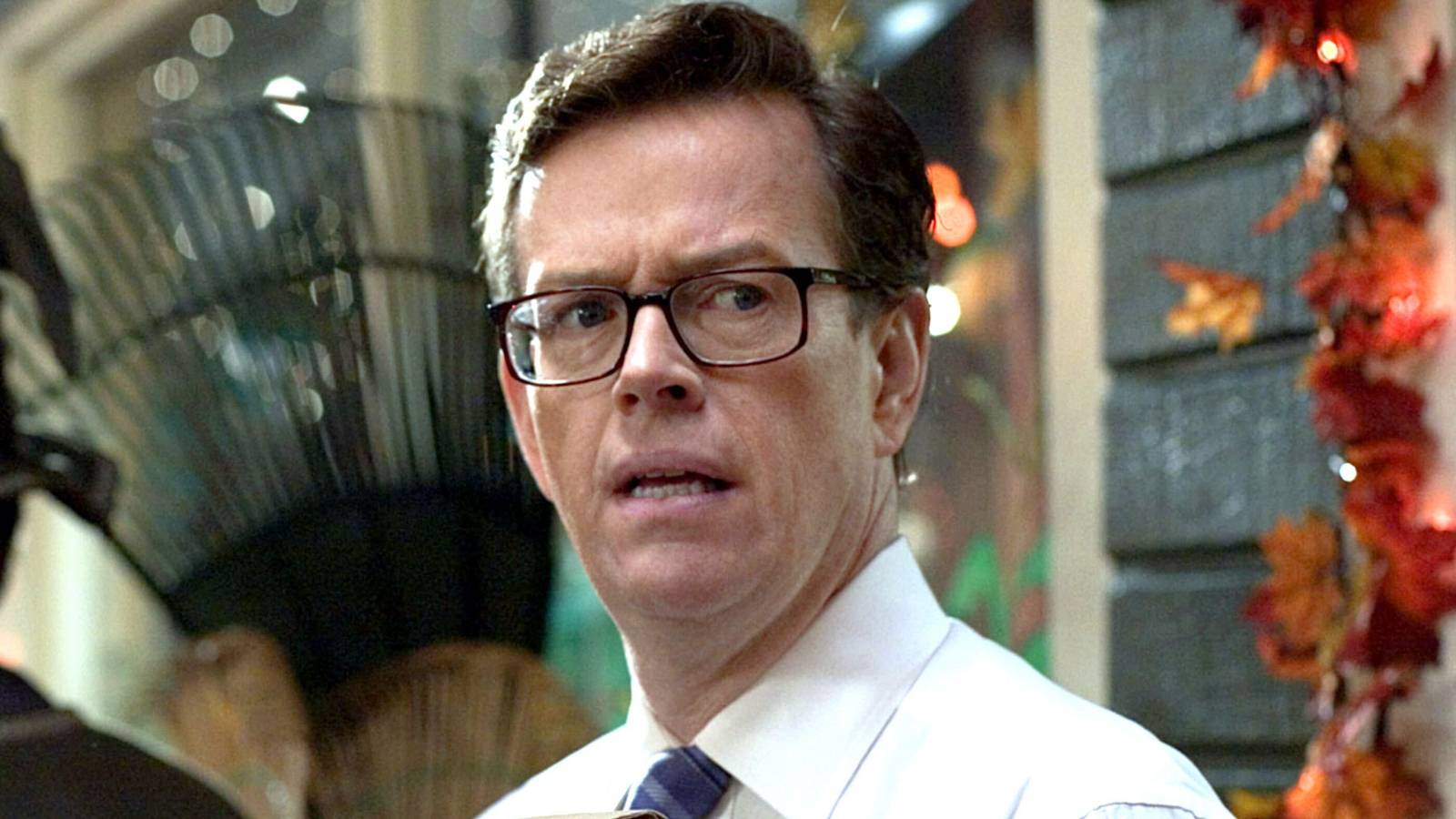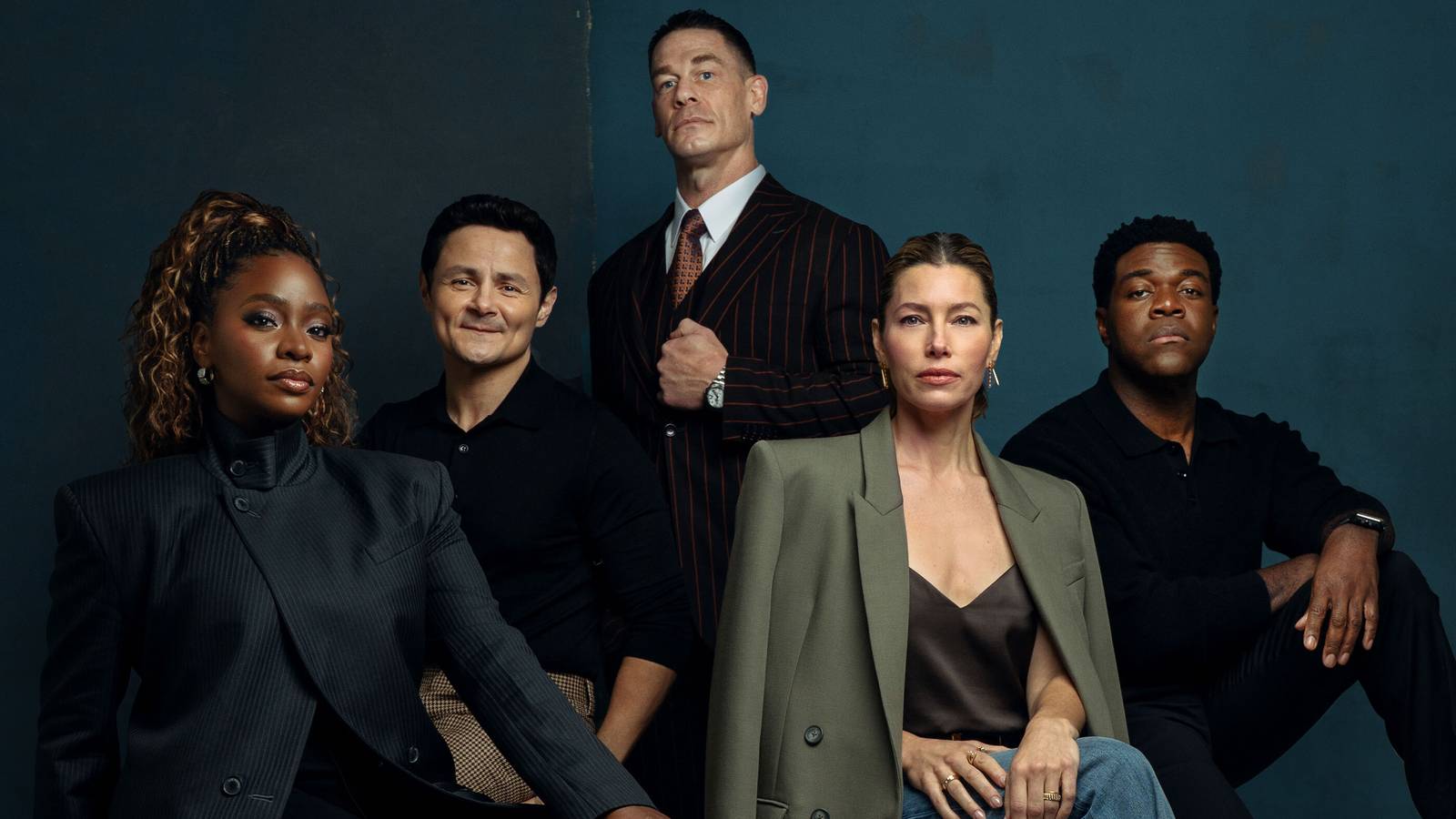
When Netflix announced a collaboration between Ryan Reynolds, the writers of 'Deadpool,' and action maestro Michael Bay, it sounded like a guaranteed blockbuster recipe. The fusion of Reynolds' signature wit with Bay's explosive, high-octane style promised a crowd-pleasing spectacle. Yet, when '6 Underground' debuted in 2019, it landed with a thud among critics, earning a dismal 36% on Rotten Tomatoes. Despite reportedly strong viewership, plans for sequels vanished, and the film seemed destined for obscurity in the vast Netflix library.
Fast forward to today, and a curious reappraisal is underway. Viewed through a seven-year lens, '6 Underground' has transformed from disposable action trash into a fascinating cinematic artifact. In an era dominated by superhero universes and endless sequels, the film's status as a standalone, globe-trotting original with a massive budget now feels almost novel.
What Is '6 Underground' About?
The plot is pure, unadulterated Michael Bay. Ryan Reynolds plays a tech billionaire who fakes his own death to become 'One,' the leader of a clandestine vigilante squad. He recruits five specialists—including Mélanie Laurent, Manuel Garcia-Rulfo, and Dave Franco—to topple a brutal dictator in a fictional nation. The mission is simple: install the dictator's pro-democracy brother. The film's politics are about as subtle as one of Bay's signature explosions, operating on a straightforward 'good vs. evil' axis while careening through spectacular set pieces.
For fans of relentless, no-holds-barred action, the film delivers Bay's trademark chaos in spades. From a dizzying car chase through Florence to a finale involving magnetic forces and a yacht, '6 Underground' is an exercise in sensory overload. It's the kind of movie that makes you wonder how it ever got made in the first place, which is now part of its enduring charm.
Why the Reappraisal?
Time has been kind to '6 Underground' for a few key reasons. First, its failure to launch a franchise is now a point in its favor. We were spared the inevitable '7 Underground' and '8 Underground,' allowing the original to exist as a singular, bizarre experiment. It stands alone, not as the first chapter in a tired series, but as a complete—if chaotic—statement.
Second, the film represents a specific moment in streaming history. It was Netflix throwing immense resources at an original, star-driven action property, aiming to create its own theatrical-scale event. While the streamer continues to produce big action films, the sheer, unfiltered Bayhem on display here feels like a relic from a slightly different era of streaming ambition. For more recent examples of Netflix's action strategy, check out our guide to must-see shows on the platform.
Furthermore, in a landscape where even the best action thrillers often feel focus-tested and safe, '6 Underground' is gloriously unrestrained. It doesn't apologize for its absurd plot or its over-the-top characters. This lack of pretense, once criticized, now reads as a form of honesty. It's a movie that knows exactly what it is.
The film also serves as an interesting pivot point in Ryan Reynolds' career, arriving after 'Deadpool' but before his more refined Netflix hits and business ventures. It captures his comic energy in its rawest, most Bay-compatible form. Similarly, for Michael Bay, it's a clear bridge between his studio blockbusters and his later, more experimental work.
Is '6 Underground' a secretly great movie? Not exactly. But its flaws—the paper-thin characters, the nonsensical plot mechanics, the sensory assault—have aged into fascinating features rather than bugs. It's a time capsule of a specific kind of Hollywood excess, now preserved on Netflix. Its journey from missed hit to interesting flop to curious cult item is a story almost as compelling as Magnet S. Johnson's mission. In an algorithm-driven world, it's a reminder that sometimes the most interesting artifacts are the ones that didn't quite fit the mold.