Comic books have evolved dramatically since their early days, especially in the last decade as the industry has tried to move past problematic storytelling. Yet even celebrated titles can stumble into familiar, uncomfortable patterns. Few writers have been more influential in this evolution than Gail Simone, whose groundbreaking work helped reshape how female characters are treated in superhero comics. In 1999, before her professional writing career took off, Simone launched the website "Women in Refrigerators," a term she coined after the shocking death of Kyle Rayner's girlfriend in Green Lantern #54. That phrase became a rallying cry against the industry's habit of using female characters' suffering to motivate male heroes.
Simone's critique propelled her into comics, where she became a powerhouse writer for both DC and Marvel, with acclaimed runs on Birds of Prey, Wonder Woman, and even Deadpool. She proved that female characters could anchor complex, compelling narratives just as well as their male counterparts. That legacy makes her recent two-year stint on Uncanny X-Men all the more disappointing. As the first woman to be the sole writer on the mainline title, Simone initially benefited from a certain amount of goodwill, but that grace has worn thin as the run has devolved into the very creative pitfalls she once dismantled.

Instead of pushing the mutant franchise forward, Simone's work has been weighed down by clunky dialogue, dated characterizations, and a frustrating reliance on regressive tropes. The most glaring issue is how the narrative stumbles under the weight of subtle microaggressions and tone-deaf interpersonal dynamics. It's baffling that an icon of feminist comic commentary could deliver a story so out of step with her own established standards.
A Hollow Focus on Rogue and Gambit
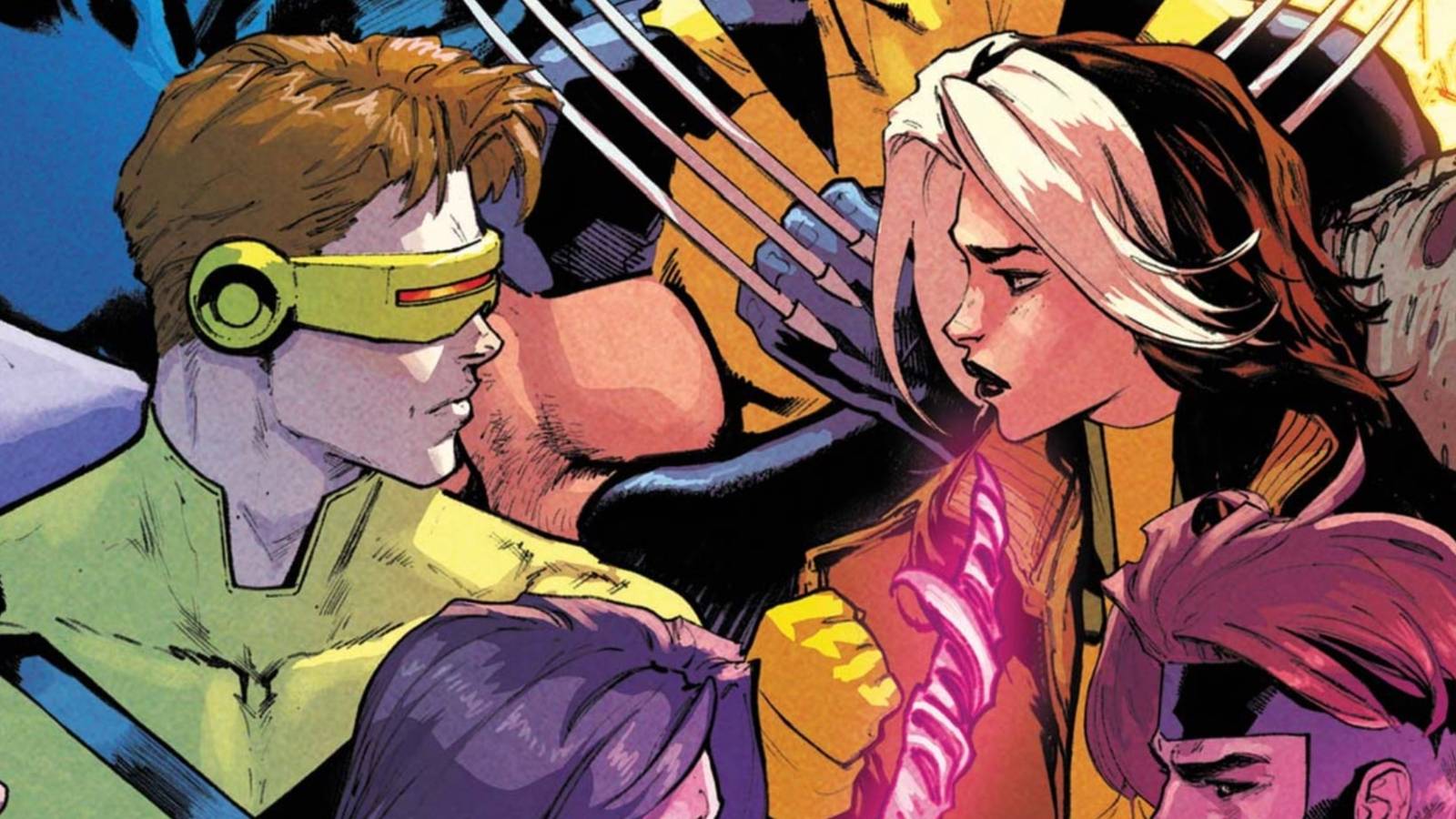
The most immediate casualty is the regression of Rogue and Gambit, whose iconic relationship is flattened into a hollow caricature. Rather than leading the team as a formidable leader, Rogue is reduced to a domestic "tradwife" who exists only in relation to her husband. The narrative prioritizes making Gambit look effortlessly cool instead of allowing Rogue to command respect as a leader. Her dialogue, and Remy's, is weighed down by exaggerated Southern phonetics that read more like mocking stereotypes than authentic voices. The awkward insertion of Calico, an infantilized teenage mutant, pushes Rogue further into a suburban foster-parent trope, taking her even further from the frontlines of mutant leadership. It's off-putting to see Calico crawling into bed with Rogue and Remy, a couple she's only known for a few months.
This obsession with making Gambit look cool sacrifices narrative logic for cheap hype. A glaring example occurs in Uncanny X-Men #32, where Remy abruptly transforms into the "Wyvern"—a monstrous form teased for nearly ten issues and hyped on promotional art. Instead of a dramatic, satisfying payoff, the transformation arrives suddenly at a moment that makes little sense within the story. While the storyline is still in flux, with next week's issue set to follow up on Gambit's dragon dilemma, it's a textbook case of style over substance: flashy visuals over a coherent plot, leaving Gambit with an empty spectacle that will likely lead nowhere.
The Rest of the Team Suffers
This uneven focus extends to the rest of the cast, leaving the team dynamic severely undercooked. Cyclops, historically the tactical anchor and ideological heart of the franchise, is thoroughly underwritten, stripped of his usual gravity and pushed to the periphery. Meanwhile, the narrative's focus on the Outliers feels skewed and underdeveloped, giving priority to a new cast that lacks the emotional weight or narrative setup to justify their page time. Anchoring Rogue's team in Louisiana only exacerbates these issues; compared to the high-stakes, globally resonant scope that has always defined the X-Men, this regional backdrop feels insular. It reads as a weak attempt to force Gambit's specific corner of the universe into a level of importance it was never meant to hold.
Failing the Legacy of the Series
The systemic issues in this run extend beyond casual tone-deafness, hardening into a pattern of micro- and macro-aggressions specifically targeting Black and Asian characters. This harmful dynamic drives the "Raid on Graymalkin" and "Manhunt" arcs, which ultimately fizzle into frustrating dead ends, despite allegedly being planned from Uncanny X-Men #1. Most striking is the treatment of Monet St. Croix, a Black Muslim woman whose established characterization has always been a highlight. In this run, she's sidelined and reduced to a shadow of her former self, a move that feels both disrespectful and out of touch.
This run has also drawn comparisons to other recent X-Men stories that have handled the franchise with more care. For instance, the X-Men '97 season 2 finale was criticized for failing Apocalypse, but at least it attempted to honor the source material. Meanwhile, Gambit's portrayal in X-Men of Apocalypse made him Marvel's creepiest hero, a far cry from the cool, effortless image this run tries to project.
As Marvel continues to expand its mutant universe, with potential MCU connections and essential reading lists, the comics should be setting the standard. Instead, Uncanny X-Men is failing the legacy of the series, and fans are left wondering if Simone can course-correct before it's too late.