While Marvel Studios dominates the box office, its influence stretches far beyond the multiplex. For years, the comic giant has been crafting exceptional television series that, for various reasons, never achieved the lasting cultural footprint of their cinematic cousins. These shows offered deep character studies, innovative storytelling, and rich expansions of the Marvel universe, yet they've largely slipped from public consciousness. It's time to shine a light on these hidden treasures.
Agent Carter (2015–2016)
Hayley Atwell's brilliant portrayal of Peggy Carter deserved more than a supporting role. Her solo series, Agent Carter, was a stylish espionage thriller set in the post-World War II era. The show followed Peggy as she navigated rampant sexism at the Strategic Scientific Reserve while secretly working to clear Howard Stark's name, aided by his loyal butler, Edwin Jarvis. With its noir aesthetic and sharp writing, the series was a refreshing period piece that planted early seeds for S.H.I.E.L.D. and HYDRA. Despite critical praise, its scheduling and eventual cancellation—coinciding with the character's on-screen death—left this top-tier story unfinished.
The Avengers: Earth's Mightiest Heroes (2010–2012)
For a generation of fans, this animated series was the definitive gateway to Earth's Mightiest Heroes. Premiering as the MCU's Phase One unfolded, the show assembled Iron Man, Thor, Hulk, Ant-Man, and the Wasp to battle a who's-who of villains like Loki and Ultron. Its deep reverence for classic comic book arcs and character-driven narratives made it a fan favorite. The series expertly balanced a wide roster, serving as a perfect primer for the cinematic universe. Its premature end after two seasons remains a point of contention for animation enthusiasts. For more animated action, check out Godzilla's upcoming Marvel crossover.
Cloak & Dagger (2018–2019)
Freeform's Cloak & Dagger was a bold, mature departure for Marvel television. It followed teenagers Tandy Bowen and Tyrone Johnson, whose lives and light/dark-based powers became intertwined after a shared childhood trauma in New Orleans. The series stood out by tackling heavy themes like systemic racism, class privilege, and personal trauma with remarkable sensitivity. The compelling chemistry between its leads and the thoughtful exploration of their bond elevated it beyond typical superhero fare. While it existed in the broader MCU with clever nods to other street-level heroes, its unique tone and network placement prevented it from reaching a wider audience, making its cancellation a true loss.
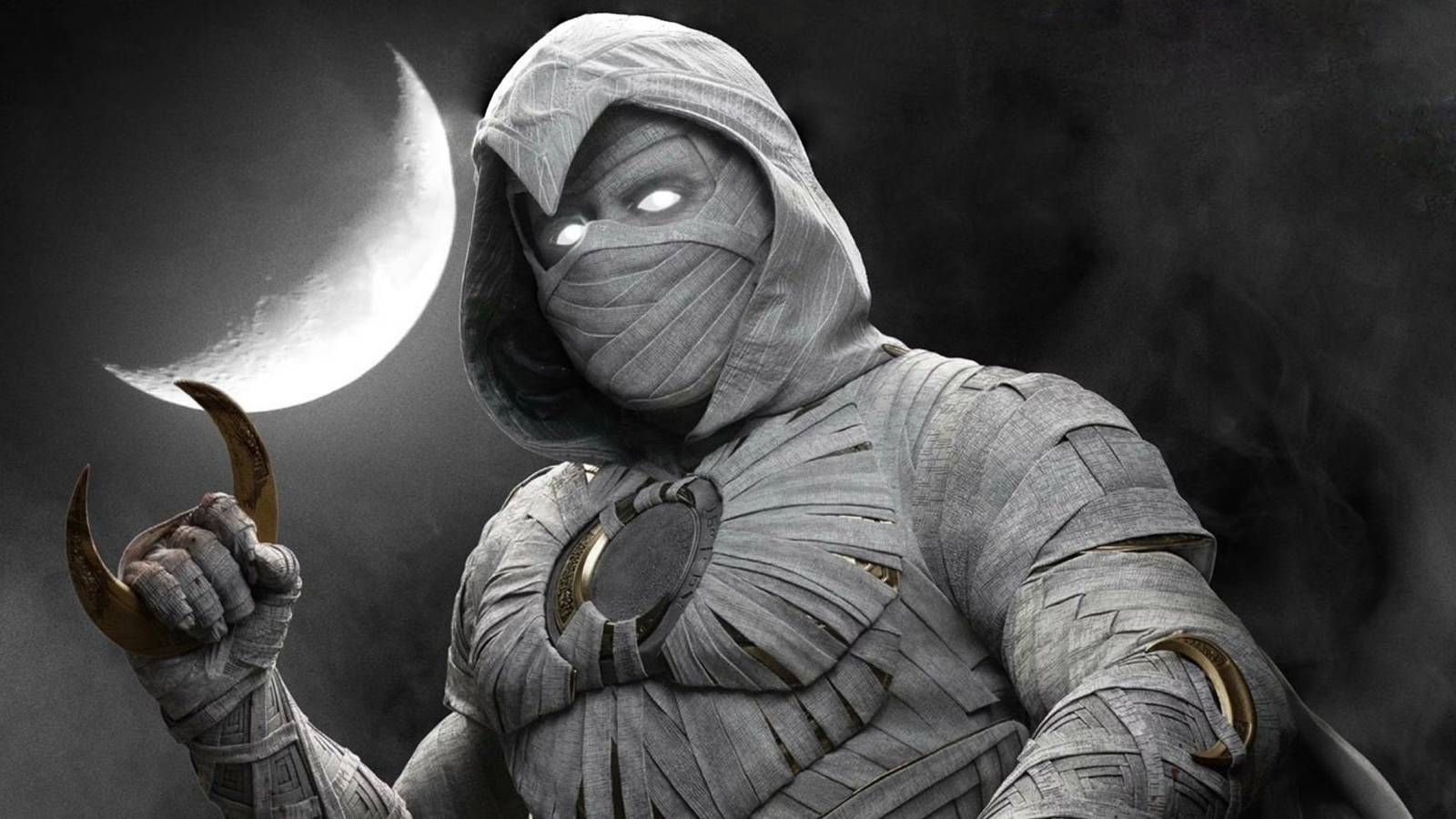
The pattern is clear: many of Marvel's best small-screen stories arrived either just before the streaming boom or on networks that didn't guarantee a massive crossover audience. Shows like the psychedelic drama Legion or the recent Moon Knight miniseries also risk being lost in the ever-growing content library, despite their artistic achievements. These series often took bigger creative risks than the more formulaic film outings, resulting in some of the most compelling narratives in the entire franchise.
Other forgotten greats include the Netflix-era street-level sagas that built intricate worlds before the Disney+ era consolidated everything. The depth of character development and serialized storytelling in these earlier shows created a blueprint that modern series still follow. Their absence from current streaming conversations is a disservice to Marvel's television legacy.
Rediscovering these shows offers a richer, more varied portrait of the Marvel universe. They prove that superhero storytelling can be intimate, experimental, and socially conscious, not just spectacle-driven. In an era where every new release is a major event, there's something special about finding a completed story that flew under the radar. For fans looking for their next thriller fix after bingeing the big hits, Prime Video's 'Cross' might be the perfect follow-up.
Ultimately, the sheer volume of content in the modern landscape means even excellent work can be forgotten. These Marvel series represent a specific, ambitious period of television expansion for the brand. They are worth seeking out not just as historical curiosities, but as genuinely outstanding pieces of entertainment that achieved near-perfection in their execution. Their legacy is a reminder that great stories exist beyond the spotlight, waiting for a new audience to appreciate them.