While the 1990s gifted us iconic sitcoms like Seinfeld and Friends, one series achieved a level of critical acclaim that remains unmatched. When Kelsey Grammer reprised his role as the pompous psychiatrist Frasier Crane for a 1993 spinoff from Cheers, few could have predicted it would become the most decorated comedy in television history. Not only did it succeed, but many argue it surpassed its legendary predecessor, crafting a legacy of wit and heart that endures. With a staggering 37 Primetime Emmy Awards—a record for the genre—Frasier stands as a masterpiece. A recent reboot attempted to recapture the magic, but for the pure, unparalleled original, fans know to head to Paramount+.
How 'Frasier' Escaped the 'Cheers' Shadow
Spinoffs are notoriously tricky. For every success story, there are countless failures where a beloved character flounders without their original ensemble (remember Joey?). Frasier faced this exact challenge, taking a supporting player from a Boston bar and building an entire world around him. The genius lay in a complete change of scenery and purpose. Dr. Crane moved to his hometown of Seattle following a divorce, starting a new life as a radio psychiatrist. This wasn't a gimmick; it was a plausible, character-driven fresh start that immediately felt authentic.

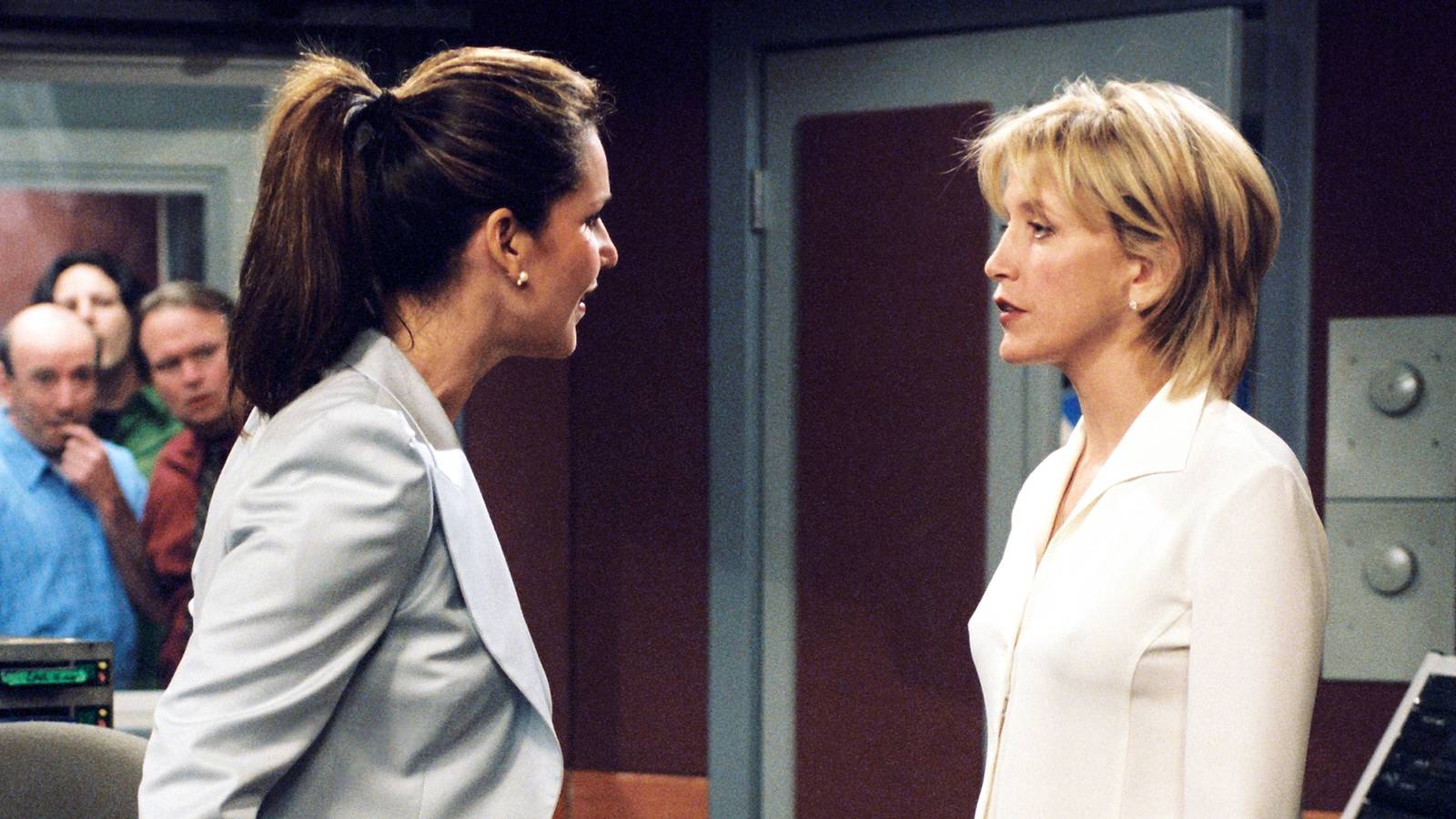
The new setting allowed for brilliant comedic setups, particularly through Frasier's call-in show, which featured hilarious patient interactions voiced by a who's who of guest stars. It also introduced the fiercely grounded producer Roz Doyle (Peri Gilpin), who served as the perfect foil to Frasier's pretensions. The show cleverly centered on a man who, in real life, might be insufferable—an elitist snob forced out of his comfort zone. This core conflict is where the series found its true heart and humor.
The Ensemble That Made a Legend
No great sitcom is a one-person show. Just as Seinfeld needed its quirky friends and Everybody Loves Raymond its meddling family, Frasier soared because of its stellar supporting cast. The dynamic shifted dramatically with the arrival of Frasier's father, Martin (John Mahoney), a retired cop whose blue-collar tastes clashed hilariously with his son's refined sensibilities. Forced to take Martin in, Frasier's world was further upended by Daphne Moon (Jane Leeves), Martin's eccentric live-in physical therapist.
This created constant, relatable friction at home, mirroring the challenges Frasier faced at work. But the masterstroke was the introduction of Niles (David Hyde Pierce), Frasier's even more neurotic brother. Niles amplified Frasier's worst qualities to comedic perfection, yet became the show's most compelling character through his long-running, secret pining for Daphne. This storyline added layers of romantic tension and growth, proving the series was as much about emotional evolution as it was about punchlines. It's a blueprint for character-driven comedy that few have matched, a true genre-defining achievement.
By weaving together workplace comedy, family dysfunction, and unrequited love, Frasier crafted a sophisticated formula that evolved brilliantly over its 11-season run. It never grew stale because its characters genuinely changed and deepened. This commitment to growth, paired with razor-sharp writing, is why it ended its original run not with a whimper, but as a certified television legend. For those seeking comedy with both brains and heart, the complete series awaits on Paramount+, standing tall among the platform's other iconic offerings like Tom Cruise's action epics.