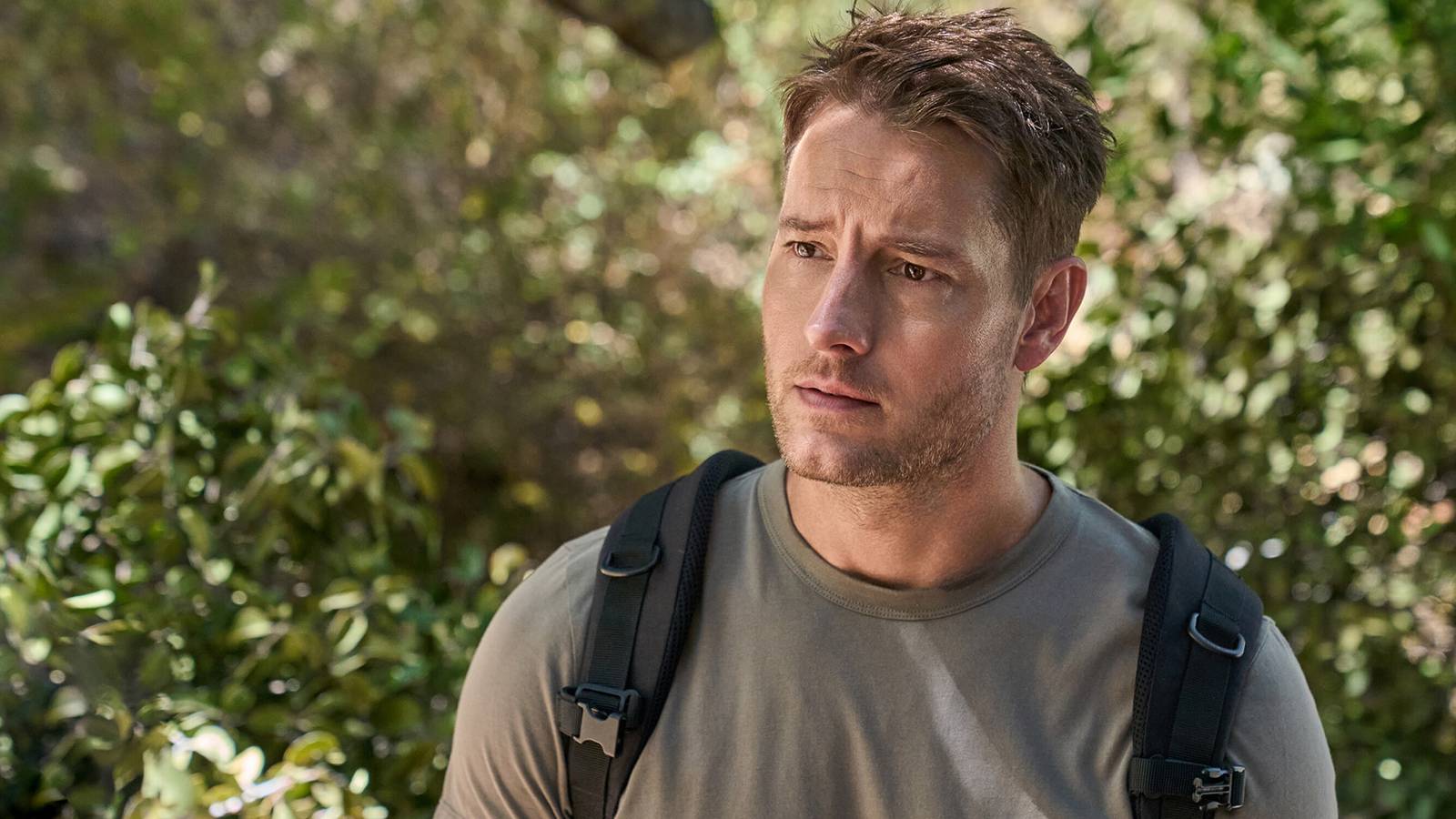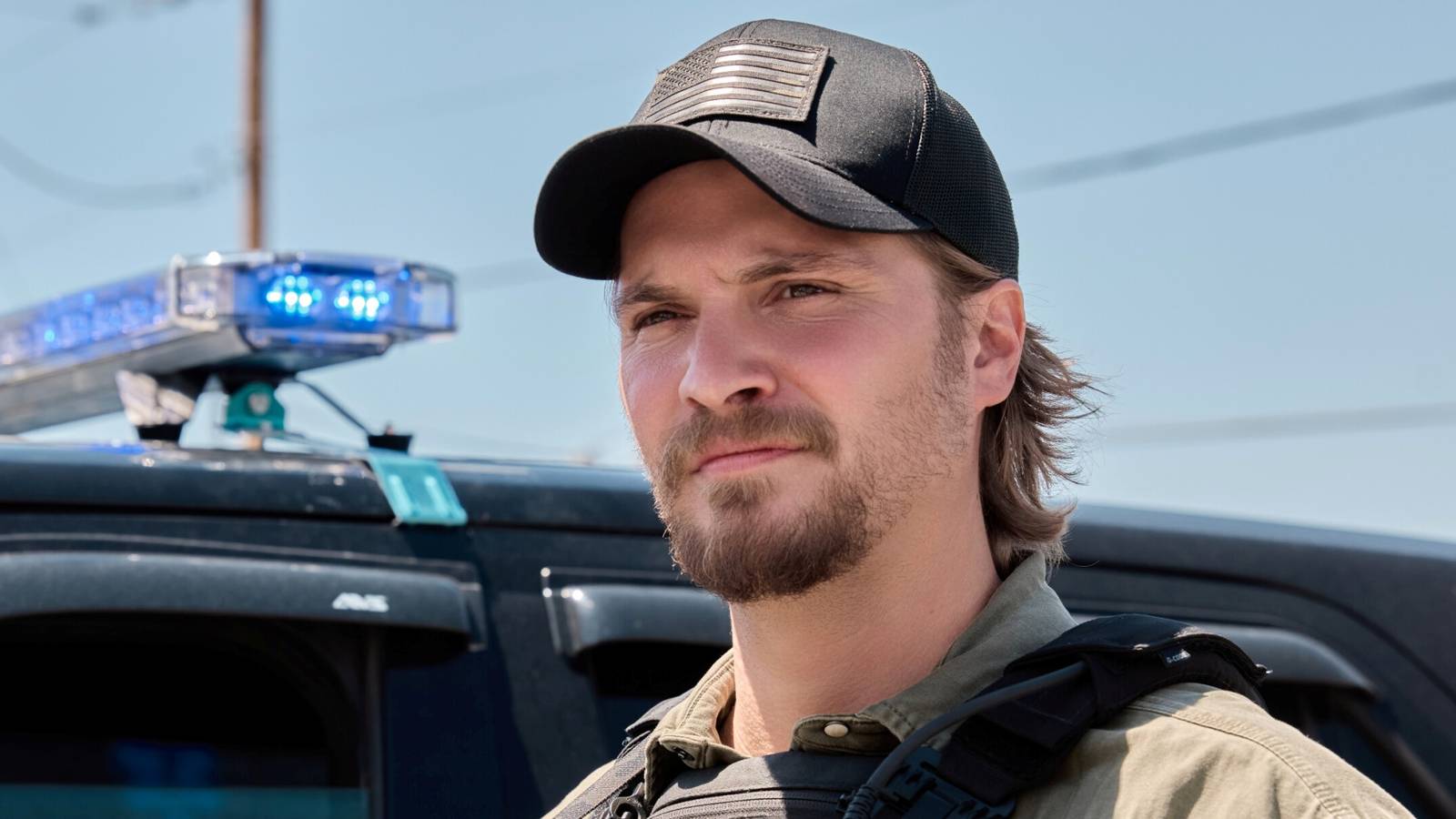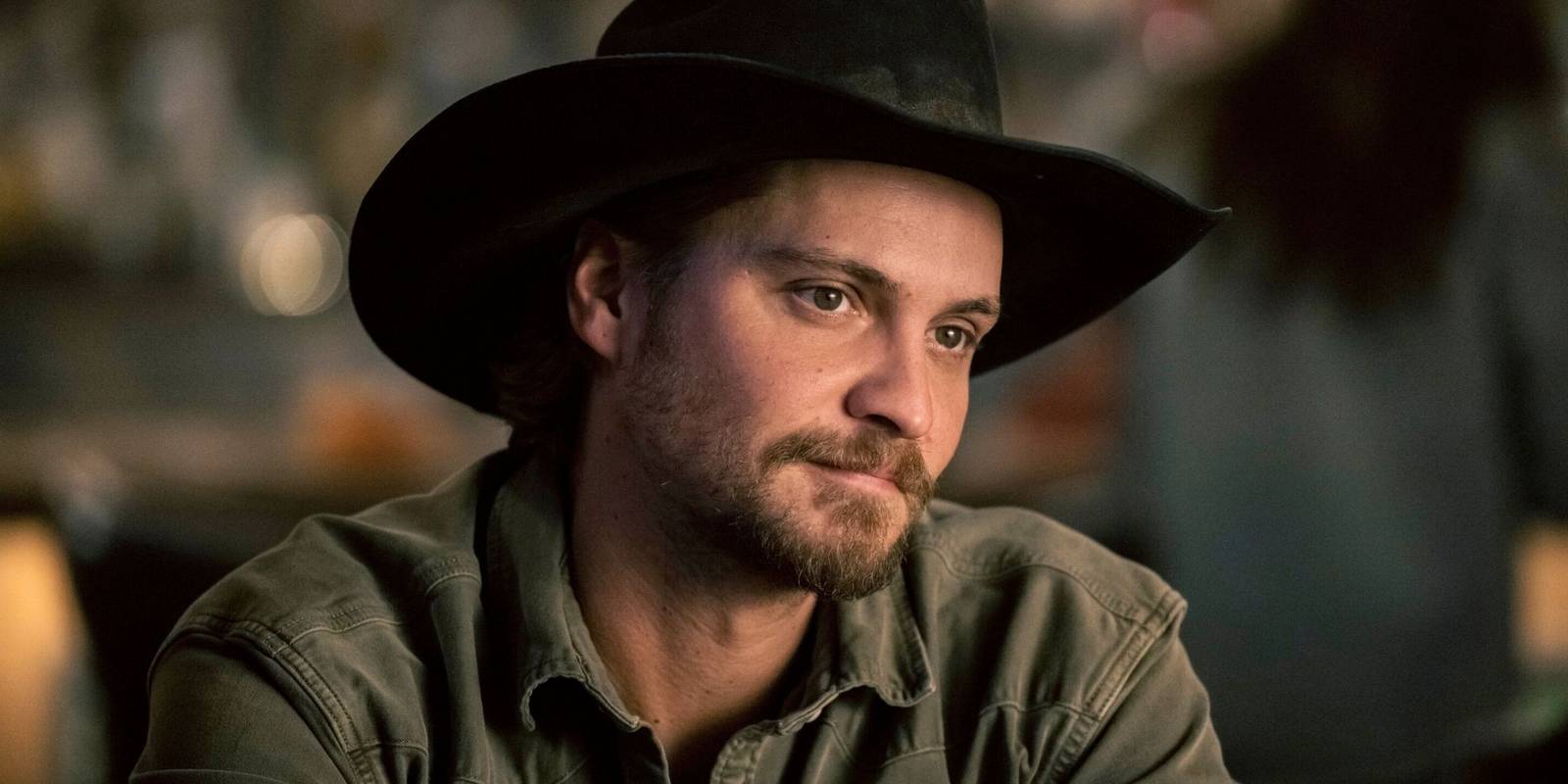
The season finale of Marshals has finally pulled back the curtain on the mysterious figure pulling the strings behind the chaos at Broken Rock and East Camp. But instead of delivering a satisfying payoff, the reveal of Tom Weaver as the primary villain has left many viewers scratching their heads—and wondering if the show just made a colossal mistake heading into Season 2.
Throughout the first season, the CBS drama built up a web of intrigue, with attacks on key locations suggesting a coordinated effort by a powerful enemy. The finale, titled "The Devil at Home," attempted to tie these threads together by unmasking Tom Weaver as the so-called "big bad." However, the execution fell flat, with the character feeling more like a last-minute addition than a carefully crafted antagonist.
For a show that prides itself on gritty realism and complex character dynamics, the anticlimactic villain reveal undermines the tension that made the season compelling. Instead of a shocking twist or a morally gray adversary, viewers got a relatively straightforward villain whose motivations were barely explored. This is a stark contrast to other recent finales, like the Tracker Season 3 finale, which masterfully set up a spin-off while delivering a satisfying conclusion.
Why Tom Weaver's Villain Reveal Falls Short
The problem isn't just that Tom Weaver is a weak villain—it's that the reveal feels rushed and unearned. The series spent episodes hinting at a larger conspiracy, but the finale opted for a simple solution that doesn't match the complexity of the story. Fans expected a figure with deep ties to the characters or a philosophical clash that would raise the stakes for Season 2. Instead, they got a shadowy figure who appears out of nowhere to take credit for the attacks.
This misstep is reminiscent of other shows that have fumbled their season-ending reveals. For instance, the Rick and Morty movie announcement was criticized for similar reasons—rushing a big idea without proper setup. Marshals now faces the same challenge: how to recover from a finale that feels like a narrative dead end.
What This Means for Season 2
With Tom Weaver now positioned as the central antagonist, Season 2 has a steep hill to climb. The show must either develop this character into a compelling threat or pivot to a new direction entirely. The finale's ending suggests that Weaver's influence extends beyond Broken Rock, potentially involving other factions. But without a strong foundation, the next season risks feeling disjointed.
Some fans have drawn comparisons to the Spider-Noir finale, which also set up a major villain for Season 2 but did so with more nuance and emotional weight. Marshals could learn from that example by fleshing out Tom Weaver's backstory and giving him a personal connection to the main characters.
The Bigger Picture: A Pattern of Disappointing Finales?
This isn't the first time a popular series has stumbled in its season finale. The The Boys Season 5 finale faced similar backlash for its anticlimactic ending. For Marshals, the stakes are even higher because the show is still building its audience. A weak villain reveal could alienate viewers who were invested in the mystery.
Ultimately, the success of Season 2 will depend on how the writers handle Tom Weaver. If they can transform him into a memorable antagonist—or reveal that he's a pawn in a larger game—the show might still recover. But as it stands, the finale feels like a missed opportunity that could haunt Marshals for seasons to come.