Post-apocalyptic movies often lean into spectacle—mutant creatures, crumbling cities, and adrenaline-fueled survival. But the most memorable entries in the genre take a quieter, more introspective route, asking what it truly means to hold onto humanity when the world has fallen apart. Z for Zachariah is one such film, a character-driven sci-fi thriller that swaps explosions for emotional tension and stars Margot Robbie, Chris Pine, and Chiwetel Ejiofor in a story that deserves far more attention.
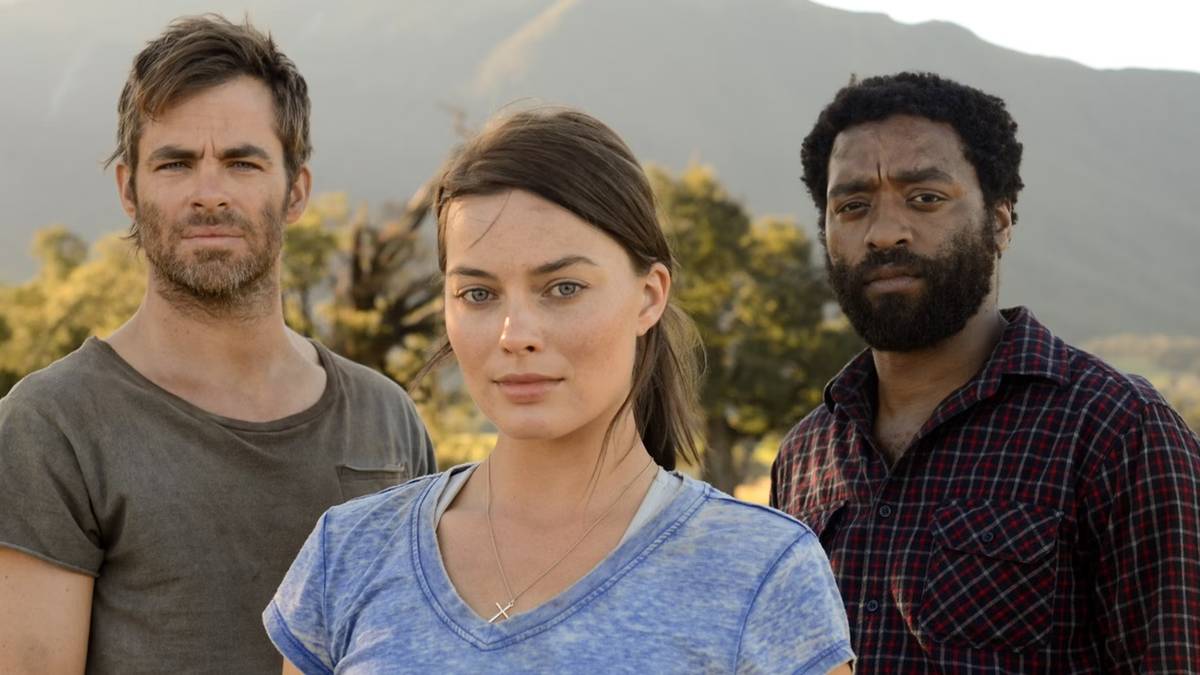
Based on a 1974 novel, the film is set in a valley miraculously shielded from the radiation that has rendered the rest of the planet uninhabitable. Ann Burden (Robbie) lives there alone with her dog Faro, tending crops and clinging to hope that her family might return. Her solitary existence is interrupted when John Loomis (Ejiofor), an engineer and researcher, stumbles into the valley. Ann nurses him back to health after he nearly bathes in irradiated water, and the two begin building a fragile life together. Their uneasy partnership is upended by the arrival of Caleb (Pine), a miner who survived months underground and brings news of other survivors. Suddenly, the valley's delicate balance is tested by jealousy, suspicion, and the raw need for connection.
What sets Z for Zachariah apart from other sci-fi thrillers is its refusal to rely on action or special effects. The science here is grounded—fixing a water wheel, siphoning fuel, planting crops—and the real conflict is interpersonal. Each character brings essential skills: Loomis's engineering, Ann's farming, Caleb's mechanical know-how. But their shared dependence doesn't erase their differences. The film masterfully builds tension through quiet glances, unspoken resentments, and the looming question of who can be trusted when there's nowhere else to go.
Director Craig Zobel keeps the focus tight, using the valley's lush but isolated setting to amplify the characters' emotional stakes. Unlike most end-of-the-world stories, survival isn't the immediate crisis—the valley provides food, water, and shelter. Instead, the drama revolves around love, jealousy, and the fear of being replaced. It's a deeply human story that uses its post-apocalyptic backdrop to explore what we cling to when everything else is gone.
Despite the star power of its cast—Robbie, Pine, and Ejiofor all deliver nuanced performances—Z for Zachariah received only a limited release and minimal media coverage. That's a shame, because it's a standout example of how thriller masterpieces can thrive on character rather than spectacle. For fans of introspective sci-fi or anyone who appreciates seeing A-list actors stretch their dramatic muscles, this film is a hidden gem worth seeking out.
In a genre often defined by noise and destruction, Z for Zachariah reminds us that the most compelling stories are about the people left behind—and the fragile bonds they form in the face of oblivion. It's a quiet, haunting, and ultimately unforgettable addition to the post-apocalyptic canon.