More than two decades after The Village first unsettled audiences, M. Night Shyamalan is revisiting the film's infamous twist and offering a candid take on how long its central deception could actually survive in today's world. The director sat down for a wide-ranging chat at Beyond Fest, hosted by Collider's Steve Weintraub at the American Cinematheque, and the conversation turned to the 2004 period thriller that has slowly earned a second life as a cult favorite.
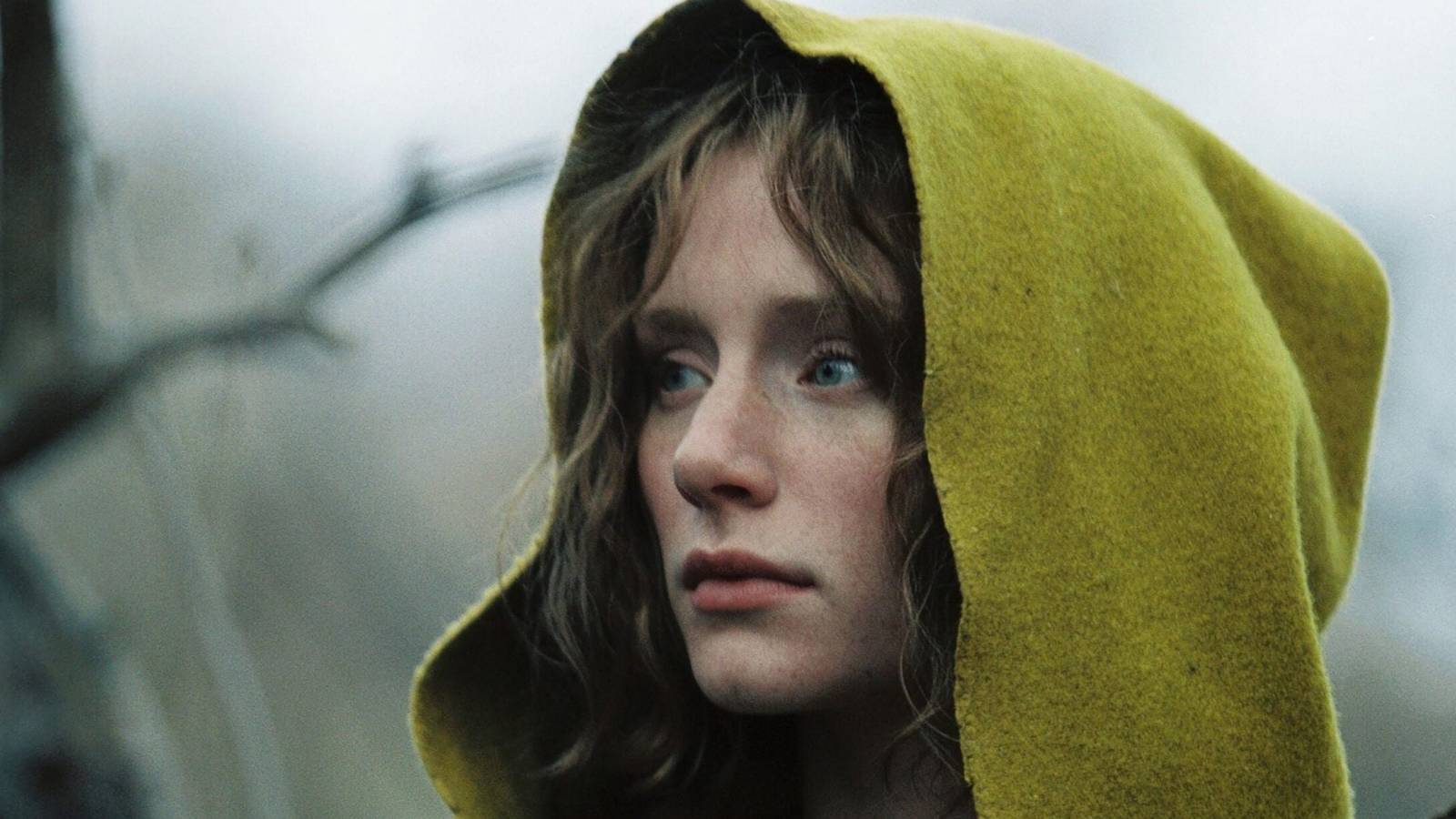
For those who need a refresher, The Village takes place in what appears to be a 19th-century Pennsylvania settlement, where residents live in terror of monstrous creatures lurking in the surrounding woods. But the film's big reveal flips everything: the village is actually a modern-day compound, carefully constructed by Elder Edward (William Hurt) and the other elders to shield their families from the violence of contemporary society. The lie holds at the end, with Ivy (Bryce Dallas Howard) returning with medicine, still unaware of the truth, and Noah's (Adrien Brody) death reinforcing the myth of the creatures. Yet one question has always lingered: how long could they really keep it up?

According to Shyamalan, the answer isn't simple. He believes it depends on the purpose behind the deception. "The idea of continuing the lie for the right reasons, to maintain the kind of innocence of it, I would imagine it could go on for a little longer," he explained. But he's quick to add that the modern world would inevitably intrude. "There are futures that they couldn't have imagined, that I couldn't have imagined when I wrote The Village — A.I. and drones. I mean, I didn't know any of this stuff was going to happen when I wrote it. There's teenagers with drones going, 'There are people in there!'"
He predicts that within five, ten, or twenty years, the community would be discovered by the outside world. "It would be hard to maintain it, so I would imagine in a future, whether it's five years or 10 years or 20 years, it would be infiltrated by the real world, and then they would have woken up anyway."
That sobering assessment fits neatly with the film's themes, which have only grown more resonant with time. Retrospectives have praised The Village for its commentary on post-9/11 America, the War on Terror, and the ways leaders manipulate information to control populations. What once seemed like an illogical twist now reads as a prescient allegory about isolation and fear.
Despite a rocky initial reception, The Village has quietly become a cult classic. It grossed $256.7 million worldwide and featured an impressive ensemble including Joaquin Phoenix, Sigourney Weaver, Brendan Gleeson, Jesse Eisenberg, and Judy Greer alongside Howard, Hurt, and Brody. At the time, many critics viewed it as the start of a downturn for Shyamalan, who hit a low point with The Happening and The Last Airbender. But 2015's The Visit marked a comeback, and he's since delivered a string of well-received films like Split, Glass, Old, and Trap. Next February, he'll release Remain, a romantic thriller starring Jake Gyllenhaal and co-developed with Nicholas Sparks.
For fans eager to revisit the film that sparked this debate, The Village is currently streaming on Peacock. And for more on Shyamalan's thoughts about his other endings, check out what happens after Glass and why he's closed the door on Unbreakable sequels.