Fantasy doesn't always require a trip to Middle-earth or Narnia. Sometimes, the most enchanting stories unfold right here in our own world, where magic sneaks in through the cracks of everyday life. This is the realm of low fantasy—a subgenre that brings supernatural wonders to familiar settings, making the impossible feel tantalizingly real. From animated masterpieces to live-action dramas, these films prove that you don't need to leave reality behind to experience true magic.
Bridge to Terabithia (2007)
Jess Aarons (Josh Hutcherson) is a lonely, artistic boy whose world expands when he meets the imaginative Leslie Burke (AnnaSophia Robb). Together, they create Terabithia, a secret kingdom in the woods where monsters and mythical creatures spring to life through the power of their imagination. This magical realm becomes their refuge from the challenges of school and family life. Director Gabor Csupo wisely keeps the fantasy elements grounded—there are no epic battles or quests to save kingdoms. Instead, the film uses imagination as a tool for processing grief and growing up. Both young leads deliver emotionally resonant performances, making this one of Disney's most underrated treasures.
Hellboy II: The Golden Army (2008)
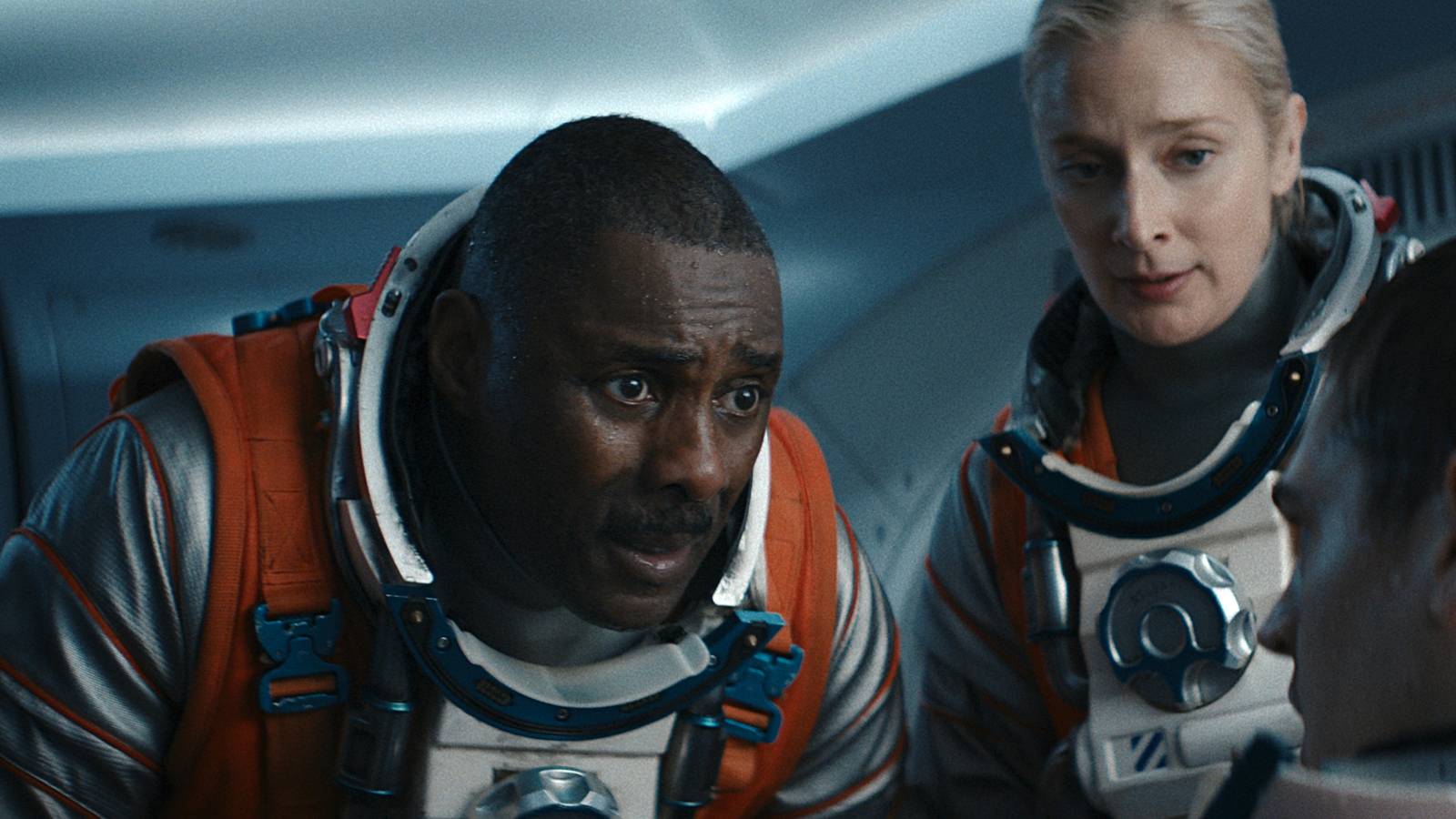
In Guillermo del Toro's sequel, Hellboy (Ron Perlman) and his team at the Bureau for Paranormal Research and Defense face Prince Nuada (Luke Goss), who seeks to awaken an unstoppable mechanical army. While often classified as superhero fare, this film is a masterclass in low fantasy, with its rich mythology and stunning creature design. The world feels lived-in and immersive, thanks to del Toro's signature attention to detail. Beneath the action, the story explores Hellboy's struggle to belong and his complicated relationship with Liz Sherman (Selma Blair). It's a rare sequel that surpasses its predecessor and stands as a genre highlight.
Coraline (2009)
Laika Studios' stop-motion masterpiece follows a curious girl (voiced by Dakota Fanning) who discovers a hidden door in her new home leading to a parallel world. There, her Other Mother (Teri Hatcher) and Other Father (John Hodgman) are everything her real parents aren't—attentive, exciting, and perfect. But this seemingly ideal world hides a sinister trap. The film balances childlike wonder with genuine horror, using its stop-motion animation to create an unsettling atmosphere. The Other World serves as a metaphor for desire and emotional vulnerability, making Coraline's journey both enchanting and terrifying. It's a dark fantasy that resonates with audiences of all ages.
The Green Mile (1999)
Set on death row, this Stephen King adaptation follows Paul Edgecomb (Tom Hanks), a corrections officer whose life changes when John Coffey (Michael Clarke Duncan), a gentle giant with miraculous healing powers, arrives as an inmate. Coffey's abilities—from curing illness to reviving the dead—force Paul and his colleagues to question everything they know about justice and humanity. Director Frank Darabont uses the supernatural elements sparingly, letting them amplify the story's emotional weight. The bleak prison setting makes the magic feel even more profound, challenging viewers to confront cruelty and compassion. Both Hanks and Duncan deliver career-defining performances in this film that many consider better than the book.
Harry Potter and the Deathly Hallows – Part 1 (2010)
In the penultimate chapter of the Harry Potter saga, Harry (Daniel Radcliffe), Hermione (Emma Watson), and Ron (Rupert Grint) skip their final year at Hogwarts to hunt Voldemort's Horcruxes. Forced to survive on the run, they face the Dark Lord's followers while the strain of their mission tests their friendship. This installment strips away the familiar comforts of Hogwarts, grounding the magic in a gritty, real-world struggle. The low fantasy approach makes the stakes feel immediate and personal, as the trio relies on their wits and each other rather than spells and potions. It's a tense, character-driven journey that sets the stage for an epic conclusion.
These films demonstrate that low fantasy can be just as powerful as high fantasy, using magic to illuminate the human experience. Whether through imagination, mythology, or supernatural gifts, they remind us that wonder is never far away—sometimes it's hiding in the most ordinary places.