Horror continues to be one of 2026's most unpredictable box office genres, delivering both breakout hits and shocking disappointments. The latest entry in this turbulent year is Lee Cronin's fresh and frightening reboot of The Mummy, which has just wrapped its opening weekend with a performance that's as debated as the film itself.
The film faced a daunting challenge, opening against two established juggernauts. The Ryan Gosling sci-fi adventure Project Hail Mary held strong in first place, while the family-friendly The Super Mario Galaxy Movie continued its animated dominance in second. In this competitive landscape, The Mummy managed to secure a solid third-place finish, outperforming other new releases like A24's The Drama, the romantic drama You, Me & Tuscany, and Pixar's Hoppers.
With a reported production budget of $22 million, the film's $34 million domestic debut represents a promising start from a financial perspective. However, when compared to previous films in the Mummy franchise—though Cronin's vision is entirely separate from the Brendan Fraser-led series—the opening numbers are more modest. The true measure of its success may lie in how it stacks up against other horror offerings this year.
Interestingly, Cronin's The Mummy actually outperformed the opening weekend of Nia DaCosta's critically acclaimed 28 Years Later: The Bone Temple, which many consider one of the year's best horror films. This suggests that brand recognition and directorial style, courtesy of the filmmaker behind atmospheric horror hits, can drive audiences even when critical consensus is split.
And split it is. The film has proven to be one of the year's most divisive genre entries, creating a clear rift between its admirers and detractors. Critics and audiences are sharply divided, with some praising its intense, gory practical effects and chilling visual style, while others criticize its lengthy runtime and perceived lack of original ideas.
In a review for Collider, Aidan Kelley captured this middle-ground sentiment, awarding the film a 5/10 score. He noted that while it's an ambitious attempt to reimagine the classic monster mythos, it ultimately feels burdened by the weight of its influences—from Cronin's own previous work to the broader legacy of iconic horror cinema. This kind of polarizing reception is not uncommon in the genre, echoing the debates sparked by films like Halloween Ends.
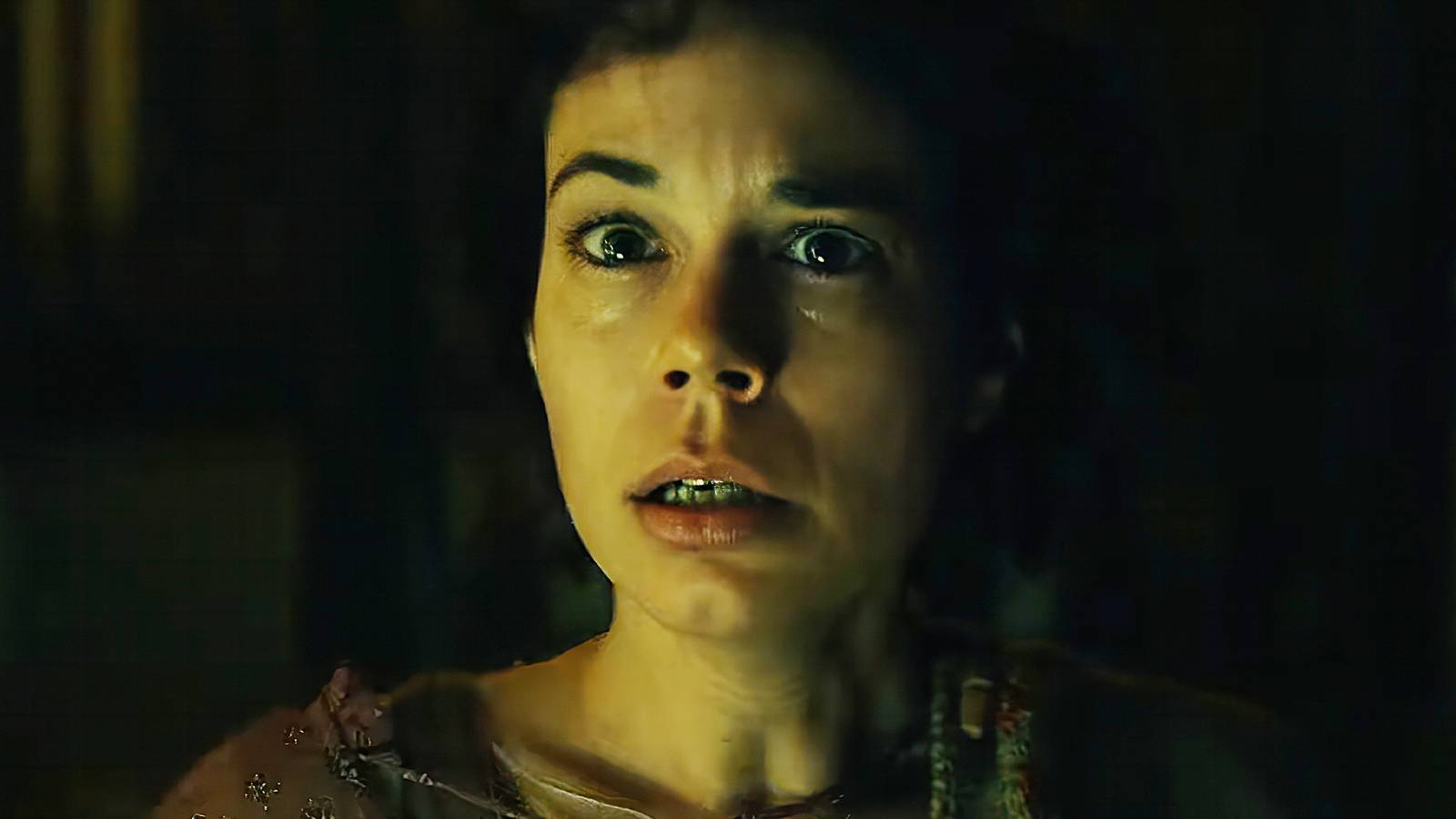
The film's central premise follows a family haunted by a demonic force, a familiar horror trope that Cronin attempts to expand upon with grand, epic scale. The result is a movie that aims for more than simple scares, seeking to weave a deeper narrative tapestry, even if that ambition doesn't fully land for all viewers. For fans of complex, layered horror, it may still offer plenty to unravel.
Looking ahead, the key question is whether The Mummy will exhibit strong staying power or suffer a steep decline in its second weekend. Its performance will be a crucial indicator of whether audience curiosity and word-of-mouth can overcome the mixed reviews. The film's debut adds another fascinating chapter to a horror year that has already seen major highs, like Sam Raimi's return with Send Help, and notable lows, including the controversial Scream 7.
Lee Cronin's The Mummy is now playing in theaters worldwide. Whether you're drawn in by its chilling promise or skeptical of its critical reception, it's undeniably a significant part of 2026's ongoing horror conversation.