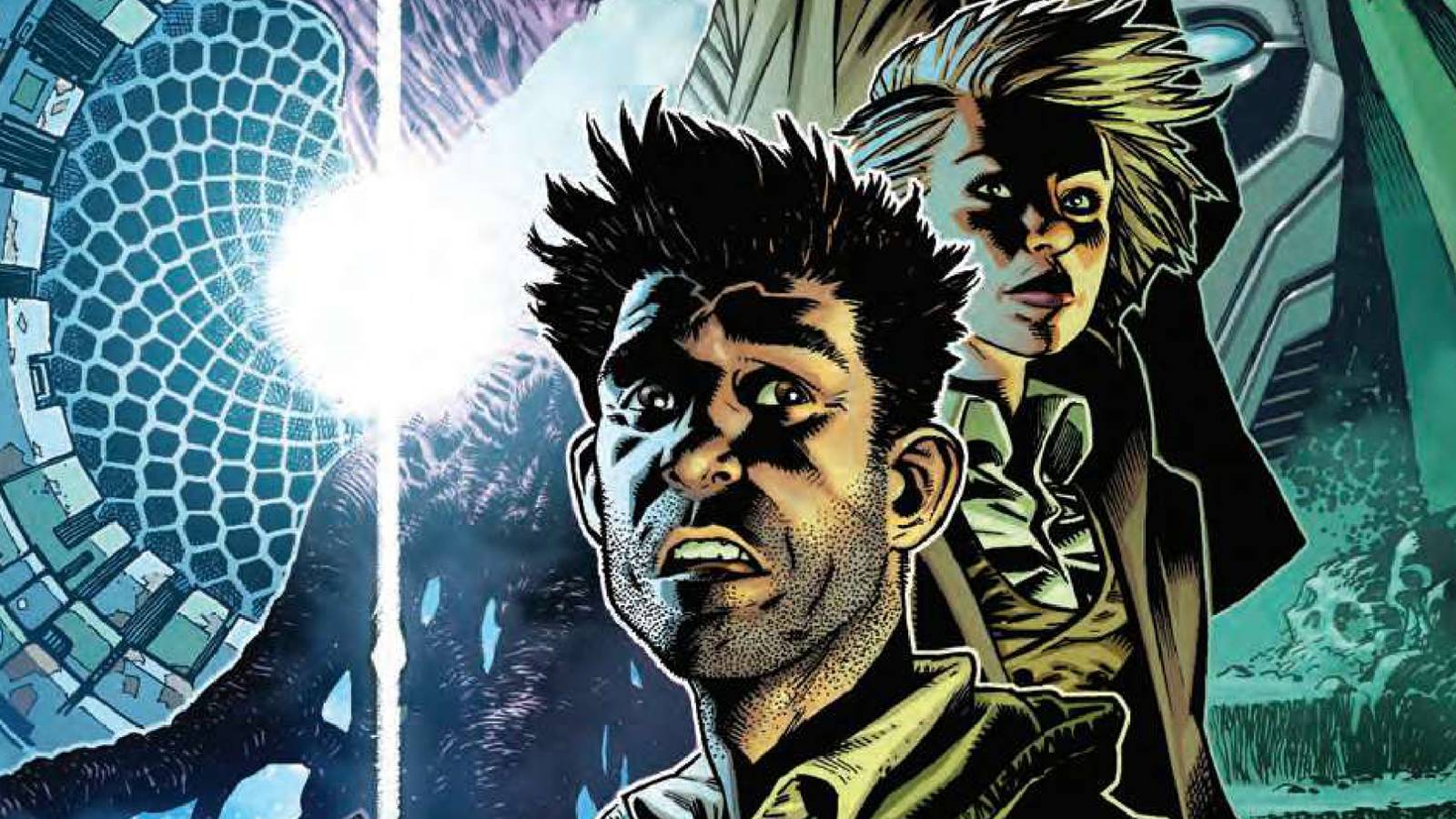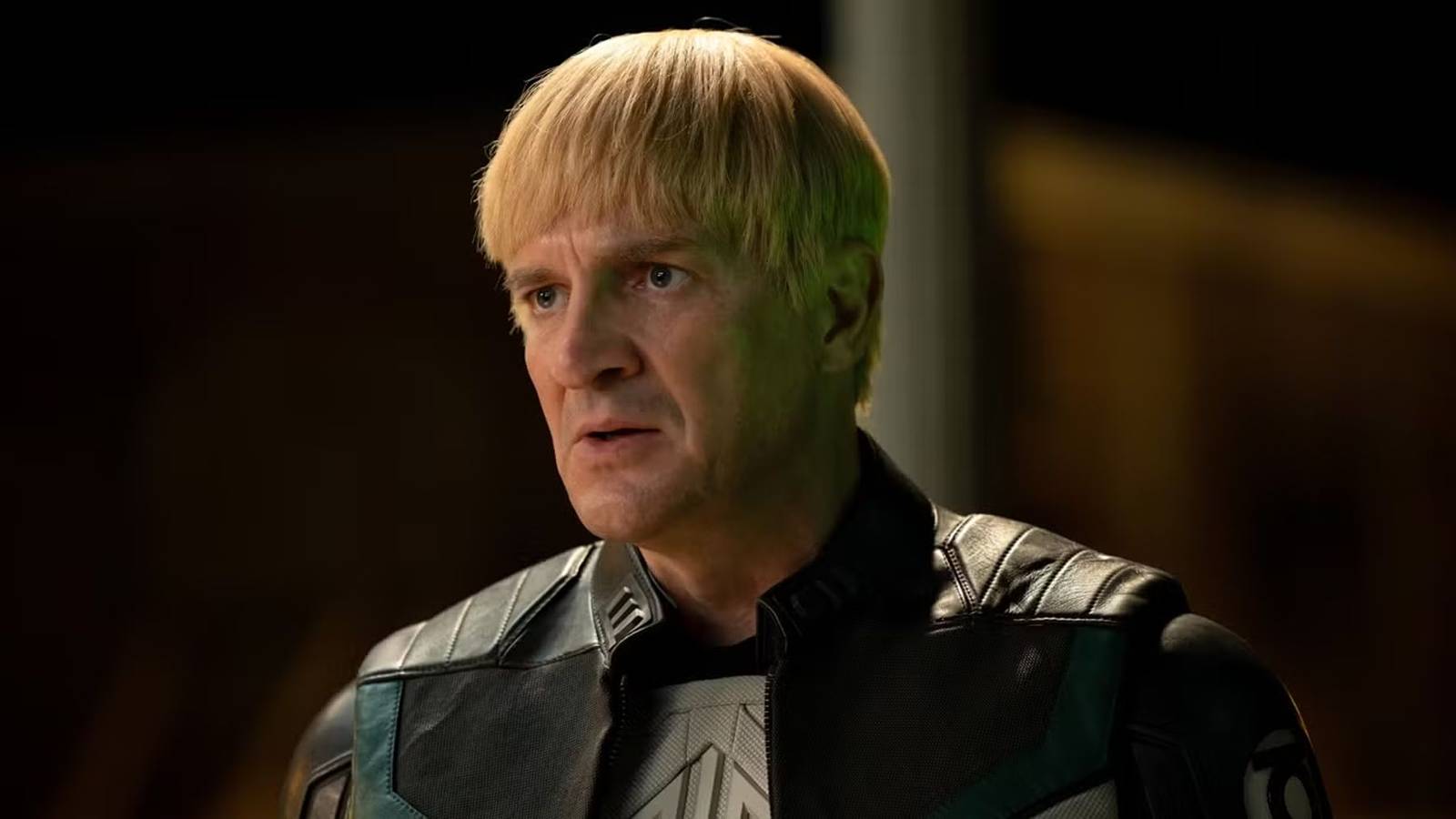
HBO's Lanterns has wrapped its first season, and while Kyle Chandler and Aaron Pierre brought Hal Jordan and John Stewart to life with grit and gravitas, the series has sparked plenty of debate among comic book loyalists. The show trades cosmic spectacle for grounded, character-driven drama, but in doing so, it rewrites some of the most iconic elements of the Green Lantern mythos. Some changes land well; others leave fans scratching their heads. Here's our ranking of the seven biggest deviations from the source material.
7. Hal Jordan's Unceremonious Exit
In the comics, Hal Jordan's death is a heroic sacrifice. After a dark turn as Parallax, he reignites the sun in The Final Night, saving Earth and merging with the Spectre. In Lanterns, Hal is shot in the head by Kerry Kane (Kelly Macdonald) mid-argument, right after telling her he loves her. It's a cold, sudden end that strips Hal of agency. He doesn't choose his fate; it's thrust upon him, and his funeral is attended only by his killer and his protégé. The comics gave him a hero's send-off; the show gives him a tragedy with no catharsis.

6. Only One Lantern on Earth
For decades, Earth has been home to multiple Green Lanterns simultaneously. The comics moved past the solo-Lantern model in the 1980s, and Geoff Johns' run made it standard for two Lanterns per sector. Lanterns insists only one ring can be active at a time, a rule that feels stuck in the Silver Age. It's a narrative choice that limits the potential for dynamic team-ups and contradicts decades of established lore.
5. The Ring's Power Is Severely Nerfed
Hal and John's power rings are used sparingly—counterfeit cash, a bird, a shield, and one digging machine. The comics showcase the rings' limitless potential, limited only by willpower and imagination. Lanterns also makes the rings' charge unpredictable, dying after brief use, which undermines their legendary status. Even the maligned 2011 Green Lantern film did a better job of showing what the ring can do.
4. John Stewart's Entire Backstory
John's origin is a major departure. In the comics, he's shaped by his mother's social activism and becomes an architect before joining the Corps. Lanterns turns him into a child groomed from birth to be a Lantern, with a mother (Jasmine Cephas Jones) who's a far cry from the comic version. His military discharge is also changed—honorable in the comics, dishonorable here due to Hal's interference. It's a bold reimagining that some fans appreciate for its depth, but others find it a betrayal of the character's core.
3. The Guardians' Role Is Diminished
The Guardians of Oa, the ancient beings who created the Green Lantern Corps, are barely present in Lanterns. In the comics, they're central to the mythos, often appearing as wise but flawed overseers. The show reduces them to distant, almost mythical figures, which strips away a layer of cosmic intrigue. This change makes the universe feel smaller and less connected to the larger DC cosmos.
2. The Power Ring's Origin Is Altered
The ring's origin is also tweaked. In the comics, rings are forged by the Guardians and distributed to chosen beings across the universe. Lanterns hints at a more mysterious, possibly alien origin, leaving the ring's true nature ambiguous. This could be a setup for future seasons, but for now, it feels like a needless complication that distances the show from established canon.
1. The Tone: Grounded Over Cosmic
The biggest change isn't a plot point—it's the overall tone. Lanterns trades the colorful, space-faring adventures of the comics for a gritty, grounded mystery. The show feels more like a detective drama than a superhero epic, which is a deliberate choice that some praise for its freshness. But it also means we miss out on the awe-inspiring constructs, alien worlds, and larger-than-life battles that define Green Lantern. It's a gamble that pays off in character depth but loses some of the magic that makes the comics so beloved.
Whether you embrace these changes or mourn them, Lanterns is clearly aiming to be something different. As the show continues, it will be interesting to see if it leans further into its own identity or finds a way to honor the source material. For more on how the series handles its finale, check out our take on the finale. And if you're in the mood for more ranked lists, we've got devastating sci-fi endings and Spider-Man suits ranked to keep you busy.