The Gesture That Defined a Generation
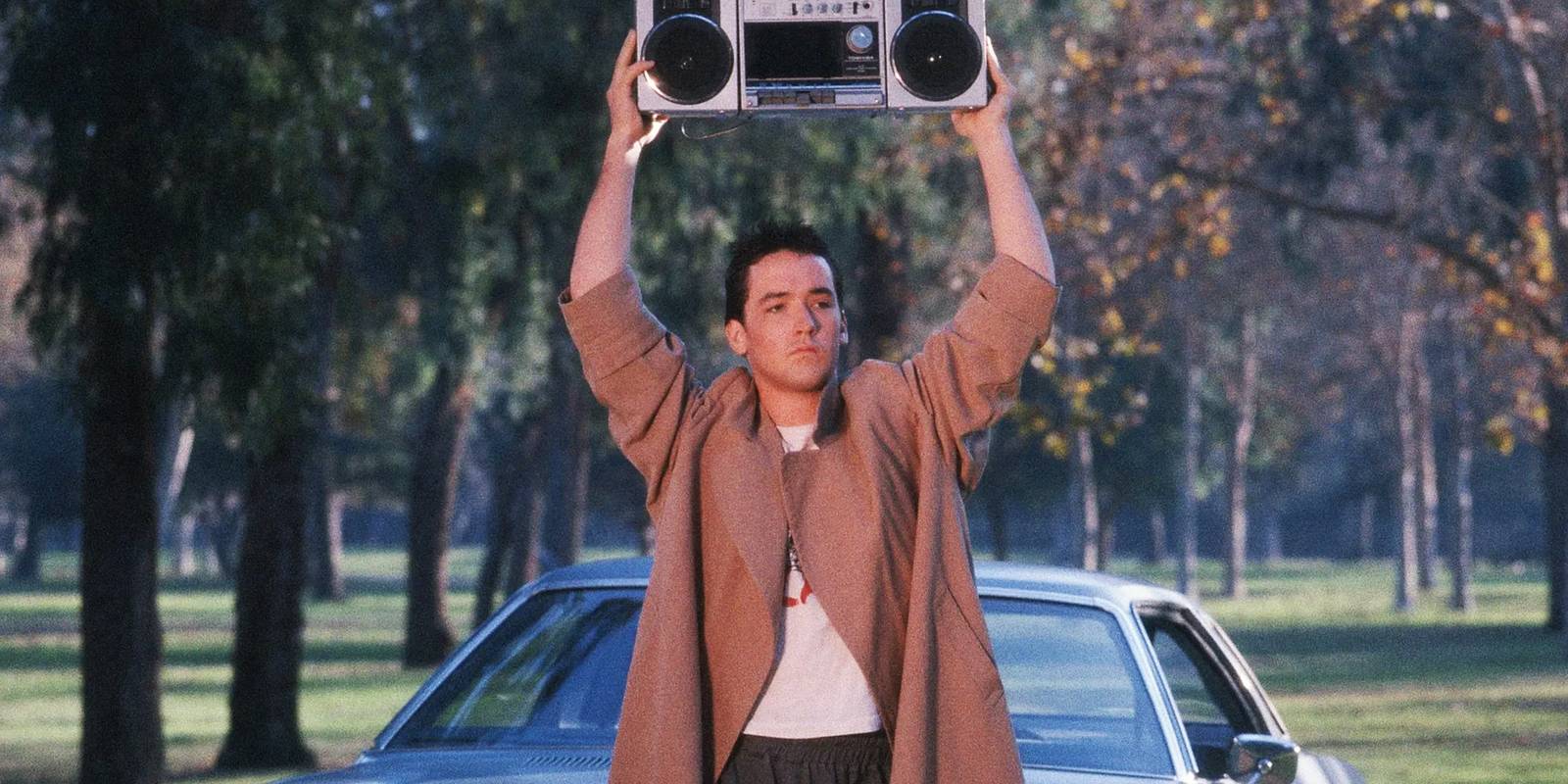
Few images from 1980s cinema are as instantly recognizable as John Cusack's Lloyd Dobler standing in the rain, holding a boombox blasting Peter Gabriel's "In Your Eyes" toward Ione Skye's window. This moment from Cameron Crowe's 1989 classic Say Anything... has been endlessly parodied, referenced, and held up as the ultimate romantic grand gesture. It cemented Cusack's status as a Generation X heartthrob and remains a cultural touchstone for cinematic romance. However, what most audiences remember is the visual poetry of the scene, not the nuanced character motivation and musical context that make it truly brilliant.
More Than Just a Love Song
The common interpretation is simple: a lovesick boy plays "their song" to win back the girl. But the reality is more layered. Lloyd Dobler isn't just playing a random romantic tune. The song is a direct, desperate form of communication. After a painful breakup with Diane Court (Skye), Lloyd is shut out. He can't get through to her on the phone, and she's emotionally withdrawn. The boombox becomes his megaphone, his only way to bridge the gap when words have failed. It's less about serenading her and more about forcing a connection, using the shared memory of the song to break through her defenses.

Furthermore, the choice of "In Your Eyes" is deeply specific. It's not a song Lloyd would typically listen to; it's Diane's world. The film establishes her as intellectually sophisticated, while Lloyd is the kickboxer with no concrete life plan. By playing her music—a song that represents her emotional and intellectual depth—he's demonstrating that he truly sees and understands her, perhaps even better than her overbearing father does. He's speaking her language when his own words aren't enough.
The Forgotten Context of the Scene
What many forget is that the scene isn't the climax of a straightforward love story. It arrives after Diane has brutally broken Lloyd's heart, influenced by her father's disapproval. Lloyd is devastated, directionless, and utterly sincere. The gesture isn't cool or calculated; it's raw, awkward, and vulnerable. He stands there in his trench coat, soaked, completely exposed. The power comes from its genuine desperation, not its smooth execution. This authenticity is what separates it from a mere movie cliché and transforms it into an enduring symbol of heartfelt risk.
The scene's impact also lies in its silence. Lloyd doesn't shout or plead. He lets the music and his steadfast presence do the talking. This quiet determination contrasts sharply with the loud, performative gestures often seen in films. It’s a moment of patient, painful hope. Cameron Crowe's direction emphasizes this by holding on Cusack's resolute face and the slowly dawning realization on Skye's, making the audience feel every second of that agonizing, beautiful wait.
Like many great movie moments, its legacy sometimes overshadows its original substance. It has been copied so often that its revolutionary feel at the time can be forgotten. In an era of slick Hollywood endings, Say Anything... presented a romance that felt real, messy, and earned. The boombox scene is the emotional fulcrum of that realism. For more on how classic films create lasting impact, explore our look at Cinema's Greatest Goodbyes.
A Legacy of Influence
Decades later, the scene's DNA can be found everywhere, from television homages to real-life prom proposals. It proved that romantic gestures in film could be grounded and character-driven rather than purely fantastical. It also showcased John Cusack's unique ability to blend cynicism with profound sincerity, a trait that would define his career. While the image of the raised boombox is iconic, remembering the why behind it—the character depth, the specific song choice, the silent communication—is what keeps the moment from becoming a hollow meme and preserves its genuine emotional power.
This focus on character-driven detail is what separates timeless scenes from fleeting trends. It’s a quality shared by other enduring works, like the forgotten Taylor Sheridan western finding new life today, or the nuanced performances in forgotten slasher gems. The boombox scene endures not just because it's a great picture, but because it's a perfect, truthful beat in Lloyd and Diane's complicated, beautiful story.