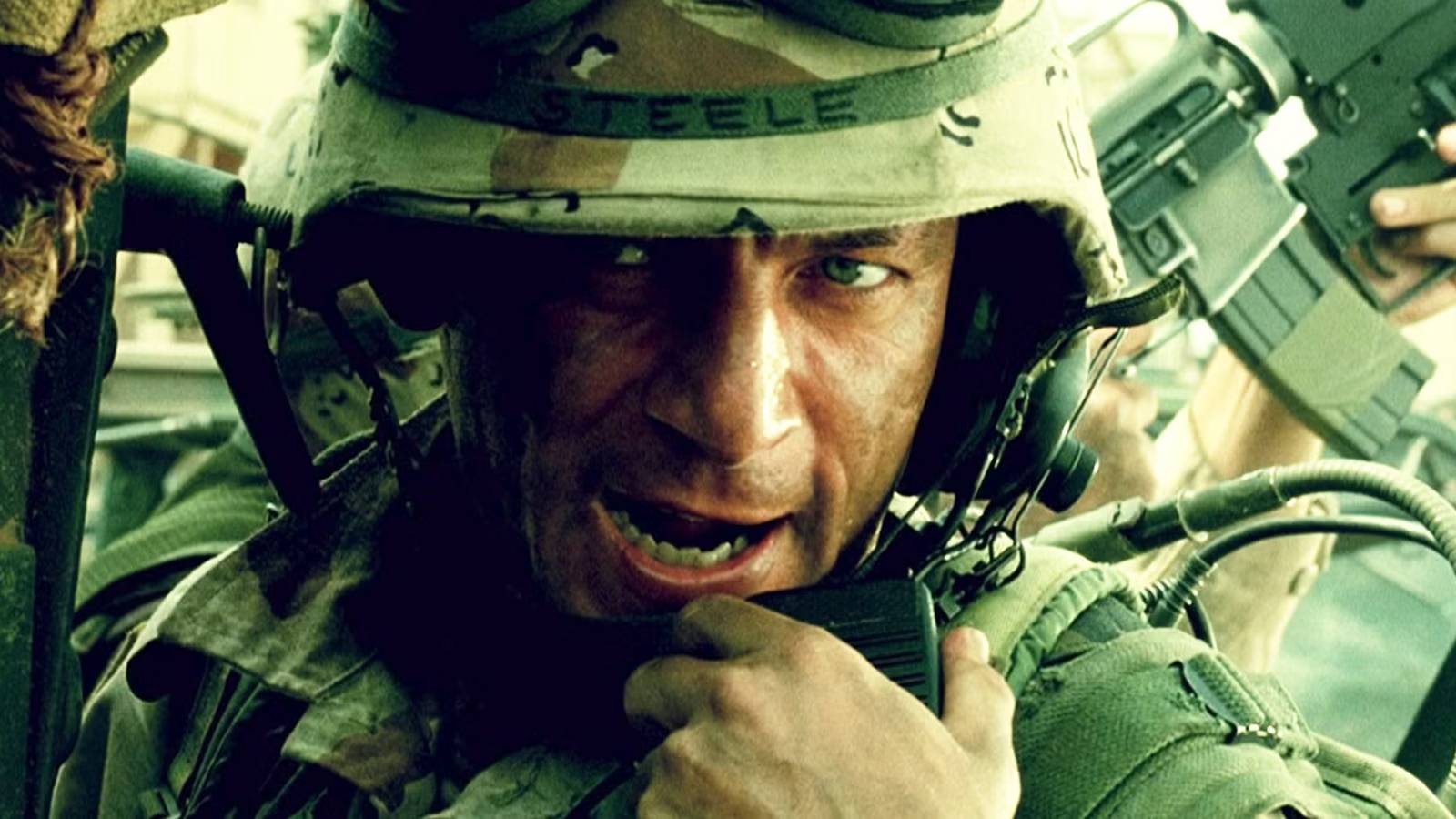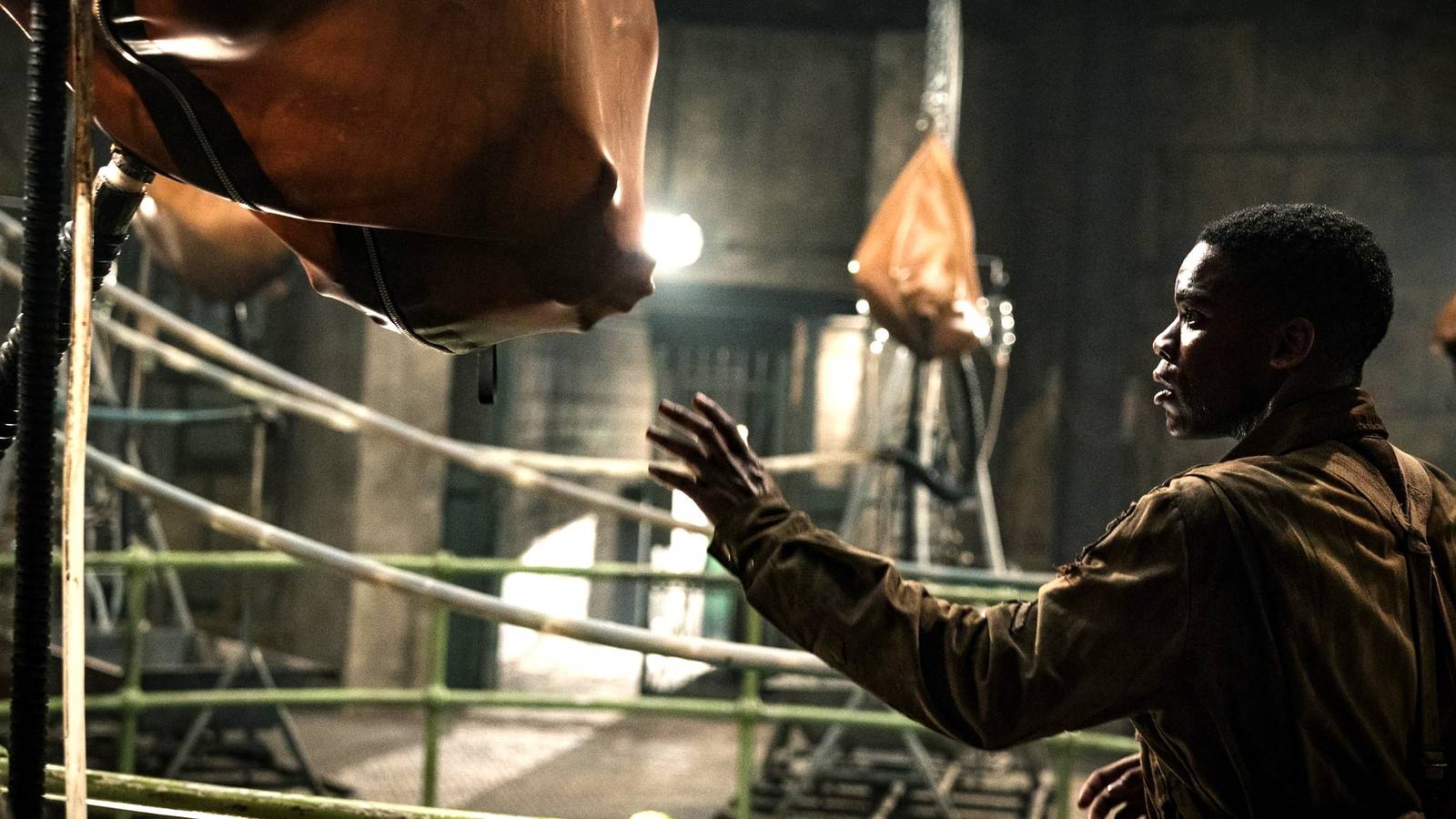
Long celebrated as one of Hollywood's most formidable dramatic talents, Jodie Foster took a sharp turn into uncharted territory with 2007's The Brave One. Directed by Neil Jordan, this psychological thriller presented Foster not as an action hero, but as an ordinary woman shattered by violence, crafting a revenge narrative that prioritized emotional devastation over cathartic release.
A Different Kind of Vengeance Story
Foster stars as Erica Bain, a New York City radio host whose life is destroyed when her fiancé (Naveen Andrews) is murdered during a random, brutal attack. Unlike the straightforward, adrenaline-fueled plots of films like Taken, The Brave One dwells in the grim aftermath. Erica's transformation into a vigilante is portrayed not as empowerment, but as a desperate, traumatic response to a system that has failed her. The film meticulously charts her grief and dissociation, making her acts of violence feel less like triumphs and more like symptoms of profound psychological injury.
Foster's Unflinching Performance
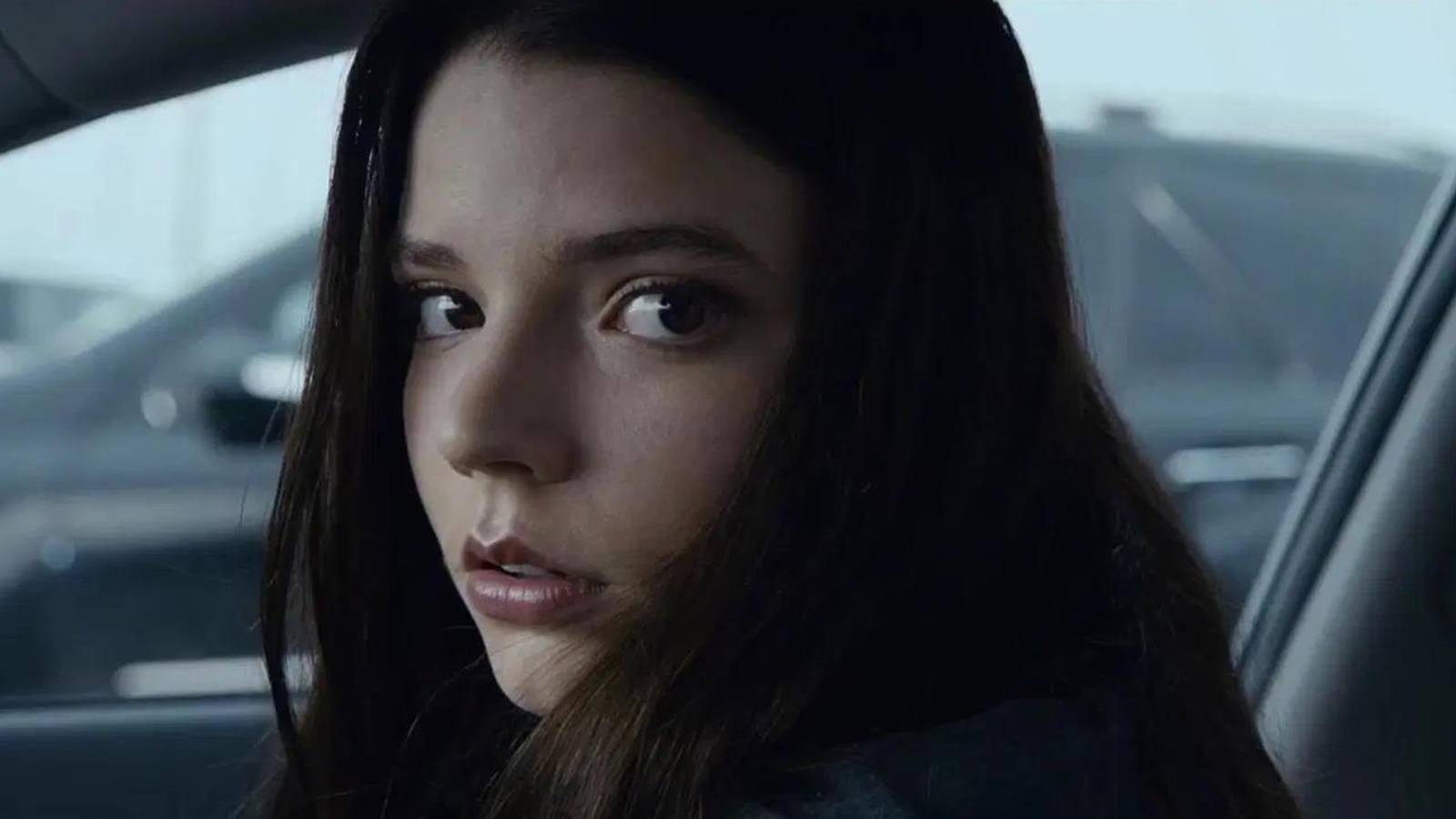
Foster, already a two-time Oscar winner by this point, delivered a performance of remarkable vulnerability and simmering rage. She subverted her typical image of strength, portraying Erica as increasingly hollowed out by her trauma. The film spends crucial time establishing the warmth of her relationship, making its loss resonate deeply. Foster ensures we understand Erica's journey is one of tragic unraveling, not heroic awakening.
The Moral Gray Area
A key element that elevates The Brave One is its nuanced take on law enforcement, embodied by Terrence Howard's Detective Sean Mercer. Howard brings depth to a character who is both diligent and deeply conflicted. As Mercer pieces together that Erica is behind the vigilante killings, his professional duty clashes with a personal understanding of her pain. This dynamic creates a compelling moral tension absent from more simplistic genre entries.
The film also provocatively examines how easily access to violence can be obtained, highlighting the societal structures that enable Erica's path. It refuses to offer easy answers or a clean, satisfying conclusion, instead leaving viewers to sit with the uncomfortable, cyclical nature of rage and retribution.
A Lasting, Complex Legacy
Upon release, The Brave One faced a mixed reception; its unrelenting bleakness and refusal to provide escapist thrills proved challenging for some audiences. It exists in a fascinating space—too psychologically heavy for pure genre fans, yet too much of a thriller for traditional awards consideration, despite Foster's critically praised work.
Yet, this very complexity is what makes it a standout in Foster's filmography and in the revenge thriller canon. It serves as a potent reminder of her unparalleled ability to embody raw, human fragility within high-stakes scenarios. For fans of thought-provoking, character-driven suspense, it remains essential viewing.
If you're looking for another gripping, psychologically intense story after this, consider Ascension: The Forgotten Sci-Fi Thriller That's the Perfect 'Paradise' Replacement. And for a masterclass in taut storytelling, our list of 10 Sci-Fi Films Where Every Word and Scene Counts is a perfect companion for any film enthusiast.