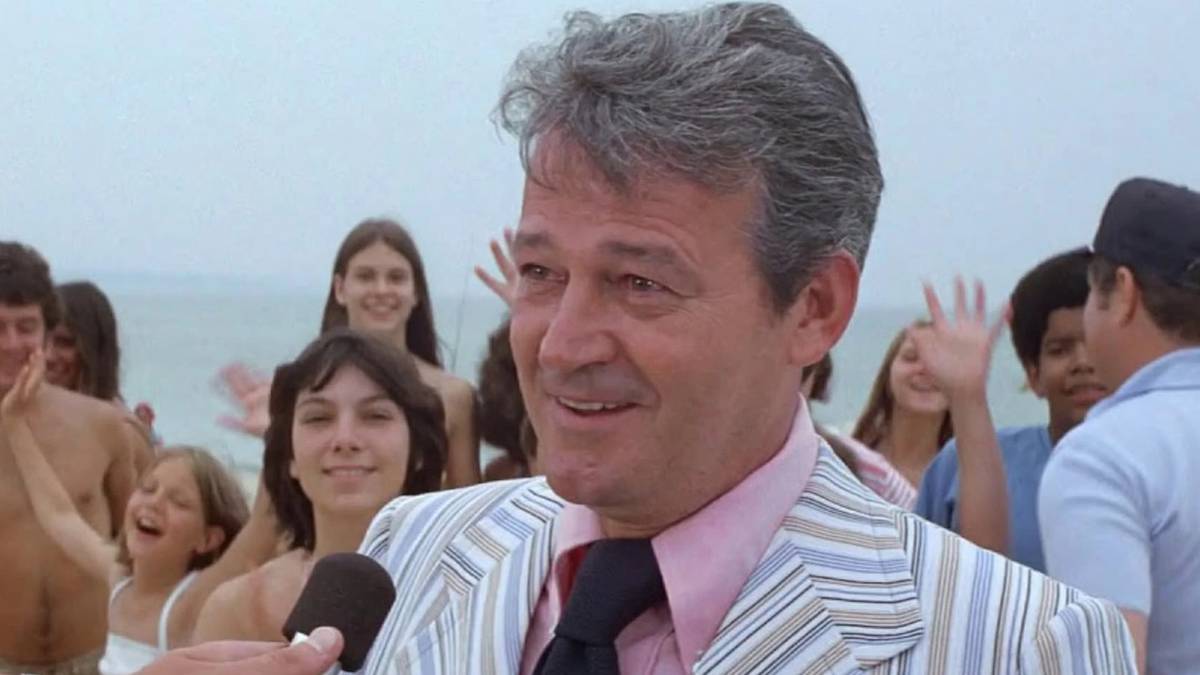
Get ready to say goodbye to one of the most iconic franchises in movie history. Jaws, the film that made Steven Spielberg a household name and turned a mechanical shark into a cultural phenomenon, is swimming off Netflix on May 1. But this isn't just another title leaving the streaming giant—it's a masterclass in suspense that still sets the bar for creature features today.
Why Jaws Still Sets the Standard
The genius of Jaws isn't the shark itself—it's what you don't see. Spielberg understood that true terror comes from anticipation, not spectacle. The opening attack is terrifying precisely because it's brief and shadowy, leaving your imagination to fill in the blanks. As the film progresses, the tension builds through careful pacing and strategic reveals, not constant monster sightings. By the time the great white finally appears in full, the audience is already on edge, making the payoff exponentially more effective.

This restraint is what separates Jaws from most modern creature features. It's not about scale or volume; it's about managing expectations. The ocean itself becomes a character—a vast, unpredictable space where safety vanishes the moment you leave shore. The third act strips everything down to three men on a boat, facing a single, escalating threat. Chief Brody (Roy Scheider) is a reluctant hero, Quint (Robert Shaw) is driven by obsession, and Hooper (Richard Dreyfuss) has all the knowledge but none of the control. Each character adds a layer of vulnerability, reinforcing the idea that no one is truly equipped for what's coming.
The Sequels: A Lesson in Diminishing Returns
Of course, success breeds sequels, and Jaws was no exception. Jaws 2 returns to Amity Island and tries to recapture the original's magic, but it shows the shark much sooner, sacrificing suspense for immediacy. It's engaging in moments but lacks the cohesive dread of its predecessor. By Jaws 3-D, the franchise has fully embraced spectacle, with the shark appearing constantly to justify the 3D gimmick. The creature becomes the centerpiece rather than the payoff, and the tension evaporates.
This pattern is all too familiar in the creature feature genre. Many films escalate by showing more, increasing scale, or leaning on visual effects, but they rarely replicate the balance that made Jaws work. The original succeeds because it understands that restraint shapes the audience's experience. For a deeper dive into how modern thrillers handle tension, check out our list of the best psychological thrillers of the last 15 years.
Netflix Loses a Blueprint, Not Just a Franchise
Losing Jaws from Netflix is more than a routine catalog departure. This is one of the clearest demonstrations of how effective a blockbuster can be when it's built on restraint rather than excess. In an era where technology makes it easy to show everything, Jaws remains a reminder that less is often more. It knows exactly how much to reveal, when to reveal it, and how long to hold back.
That discipline is rare today, and it's why Jaws still feels fresh decades later. It's not just a piece of film history—it's a living example of how suspense is supposed to work. If you haven't revisited it lately, now's the time. Because once it leaves Netflix, you'll need a bigger boat to find it elsewhere. And if you're in the mood for more edge-of-your-seat thrills, don't miss our roundup of forgotten spy thrillers that are perfect from start to finish.