In a twist that feels straight out of a sci-fi plot, Oscar-winning director Asif Kapadia's experimental film 2073 has gone from box office bust to streaming sensation. After earning a paltry $7,000 domestically and just over $50,000 worldwide during its theatrical run in 2024, the dystopian docudrama is now climbing the charts on HBO Max in April 2026, proving that sometimes a movie just needs the right platform to find its audience.
Kapadia, who won an Academy Award for the heartbreaking Amy Winehouse documentary Amy, is best known for his gripping non-fiction work, including Senna and Diego Maradona. He also directed two episodes of Netflix's Mindhunter, a series that fans of psychological crime dramas still rave about—much like the Taron Egerton-led Black Bird, which blends similar tension with prison-break thrills. But with 2073, Kapadia took a sharp left turn into speculative fiction, crafting a homage to Chris Marker's 1962 classic La Jetée.

A Dystopian Vision Starring Familiar Faces
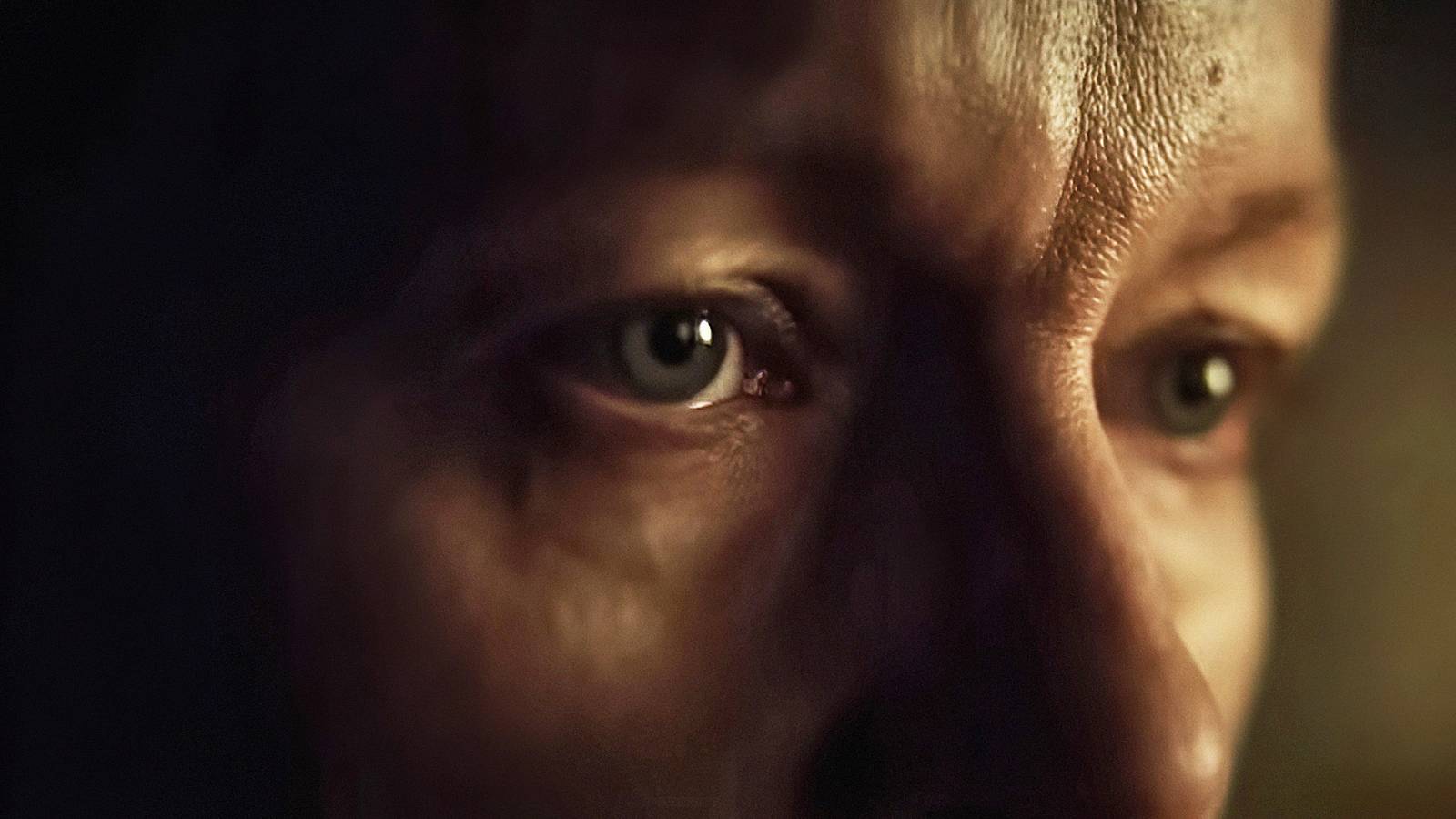
The film stars Dune: Prophecy's Samantha Morton and Star Wars: The Rise of Skywalker's Naomi Ackie as survivors navigating a world ravaged by mass surveillance, climate change, and political oppression. Blending scripted performances with archival footage, 2073 paints a haunting picture of how society might unravel. Despite its ambitious vision, critics were divided. The film currently holds a 48% score on Rotten Tomatoes, with the consensus calling it "visually striking and occasionally haunting" but ultimately "more dispiriting than entertaining."
That mixed reception didn't stop it from becoming a sleeper hit on streaming. According to FlixPatrol, 2073 has held a spot in the top five most-watched movies globally on HBO Max for over a week, fending off competition from titles like Anaconda, Nobody 2, and Den of Thieves 2: Pantera. Its success echoes other streaming surprises, like Tom Hanks' Saving Private Ryan dominating Tubi—proof that audiences are hungry for intense, thought-provoking content at home.
Why 2073 Is Resonating Now
Part of the film's appeal may lie in its timeliness. Released in an era of growing anxiety about technology and governance, 2073 taps into fears that feel increasingly relevant. A thematically similar film, Raoul Peck's Orwell: 2+2=5, earned an 83% Rotten Tomatoes score in 2025 for its warning about totalitarianism, suggesting that audiences are drawn to cautionary tales—even if they're not always critically acclaimed. For Kapadia, the streaming resurgence is a vindication of his experimental approach, proving that a film can find its second life far from the multiplex.
While 2073 may not have the polish of a blockbuster, its raw, documentary-style urgency sets it apart. Fans of Kapadia's earlier work will recognize his signature blend of archival footage and emotional storytelling, now applied to a fictional future. And for those who missed it in theaters, HBO Max offers a chance to experience this polarizing film from the comfort of home.
As streaming continues to reshape how we discover movies, 2073 stands as a testament to the power of second chances. Whether you're a sci-fi enthusiast or a fan of Kapadia's documentaries, this is one dystopian journey worth taking—especially now that it's finally getting the audience it deserves.