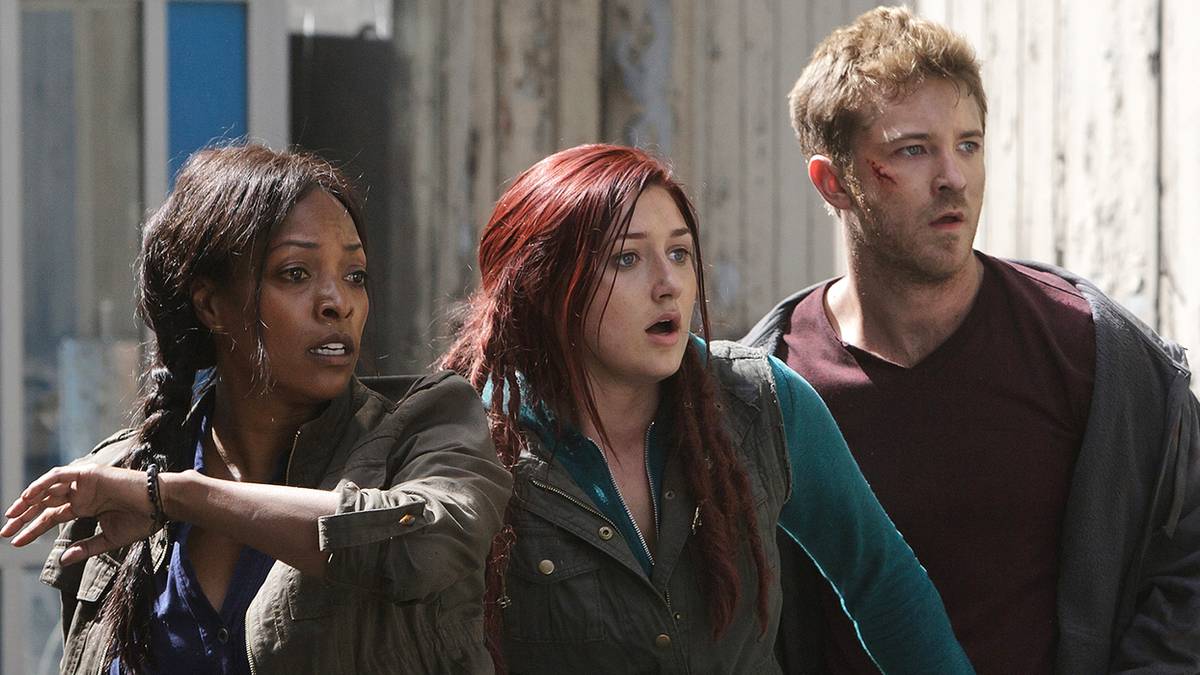
Hulu's new comedy series Alice and Steve brings together Jemaine Clement (Flight of the Conchords) and Nicola Walker (Spooks) in a story that promises revenge but delivers something far more muddled. Produced by BBC Studios' Clerkenwell Films, the team behind Baby Reindeer, the show follows two fifty-something best friends whose decades-long bond is shattered when Steve (Clement) sleeps with Alice's (Walker) daughter Izzy (Yali Topol Margalith). What follows is a series that can't decide if it's a dark comedy, a sentimental love story, or a critique of age-gap relationships.
What Is 'Alice and Steve' About?
Alice's 26-year-old daughter Izzy moves back home after deciding her boyfriend has borderline personality disorder. Alice is now in her second marriage with the quiet Daniel (Joel Fry), and they share a teenage son, Dom (Tyrese Eaton-Dyce). Meanwhile, Alice's friendship with Steve stretches back over 30 years. The pair briefly dated but remain stuck in arrested development, apathetic to the feelings of those around them.
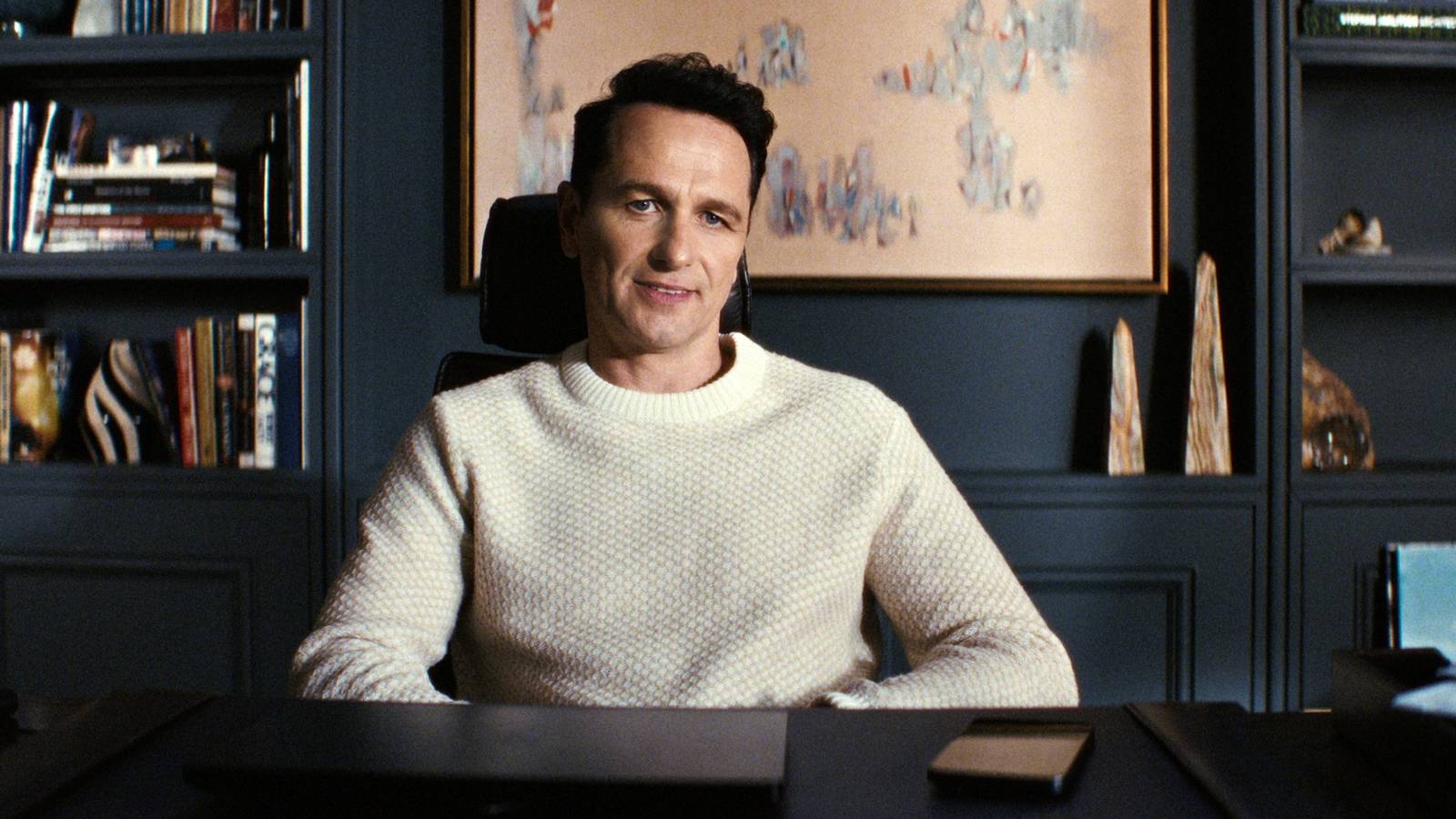
Steve is consumed by sadness, though not in a sympathetic way. Four years after his divorce, he still walks his ex-wife's French bulldog and remains so codependent that the dog accompanies him and Alice on a night out, accidentally ingesting cocaine. Before that, Steve laments being alone and unloved, and Alice encourages him to pursue a younger woman. He initially cringes but eventually tries, only to leave when his date doesn't know the Bee Gees.
Despite Being Billed as a Comedy, 'Alice and Steve' Is Uncomfortable to Watch
The fundamental problem with Alice and Steve is that it never seems to know what it wants to say. Rather than interrogating its provocative premise or drawing meaningful conclusions, it circles the controversy without going anywhere. The marketing promises an escalating revenge comedy, but the series never delivers the slapstick farce or absurd schemes that would make the premise work.
Because the show never moves beyond its central premise, it becomes difficult to engage with anything else. The sharp comedic dialogue suggests a stronger version of the show underneath, but you end up trapped in the same arrested development as the characters. Pushing play begins to feel like consenting to being stuck inside this strange, emotionally stagnant, quasi-incestuous dynamic with no real exit or narrative reckoning.
The confused tone doesn't help. Steve and Izzy's relationship moves at a rushed, uneven pace: one moment they've only just slept together, the next they're getting married. The show jumps abruptly between milestones, repeatedly asking the audience to sympathize with the relationship. Even the score, with its soft romantic strings, pushes the viewer towards accepting Steve and Izzy as a viable couple, as if the only obstacle were Alice herself.
Perhaps the series is trying to engage with questions of appropriateness and consent within age-gap relationships, which are constantly under scrutiny in both celebrity culture and public discourse. Izzy is clearly old enough to make her own decisions, which leaves Alice in an uncomfortable position with no real control, but Steve, as the older party, should know better. The result is a show that feels deliberately uncomfortable to watch, but that aspect never quite lands.
There's a faint Thelma & Louise quality in the idea of Alice and Steve sticking together to the end, but if the intention was sentimentality or a celebration of friendship, it raises the question of why a rarely explored platonic male-female bond needs to be built around a man who has slept with both mother and daughter.
'Alice and Steve' Has a Great Cast but Seriously Underutilizes Jemaine Clement
There are glimmers of a different, more palatable show when Alice and Steve end up co-parenting Dom after a drug-fueled house party. In these moments, they function as relaxed, capable parents, offering grounded advice to panicking teenagers. They even help salvage Dom's relationship with the anxious Rome (Eilidh Fisher). It almost feels as though their problems stem from the fact that they should have been the story's central couple all along.
Despite the awkward central storyline, Nicola Walker's performance as Alice remains a saving grace. While the narrative seems intent on eliciting viewer sympathy for Steve, Alice's anger brings a different kind of enjoyment. For fans of Clement's work in Paul Rudd's Netflix sci-fi 'Living With Yourself', this show may disappoint, as Clement's comedic talents are underutilized. Similarly, those who enjoyed Hamish Linklater's return in Apple TV+ horror-comedy 'Widow's Bay' may find this series lacking the same sharp wit.
In the end, Alice and Steve is a show that tries to be both a revenge comedy and a sentimental love story, but ends up being neither. It's a missed opportunity that leaves you wondering what could have been.