Television has a long history of killing off beloved characters, but few deaths have resonated as powerfully as Howard Hamlin's in Better Call Saul. The AMC prequel, created by Vince Gilligan and Peter Gould, spent five seasons building a slow-burn narrative around Jimmy McGill's transformation into the morally flexible lawyer Saul Goodman. As the final season approached, fans braced for something catastrophic—but no one could have predicted the tragic fate that awaited Howard, a character who had quietly become the show's moral compass.
Howard, played with understated grace by Patrick Fabian, was initially introduced as the polished, privileged partner of Hamlin, Hamlin & McGill. He seemed like the perfect foil to Jimmy's scrappy underdog persona. But as the series unfolded, we learned Howard was merely a pawn in Chuck McGill's vendetta against his brother. After Chuck's death, Howard tried to make amends, offering Jimmy a job and seeking reconciliation. Yet Jimmy, still bitter and resentful, rejected him, and Kim Wexler harbored her own grievances. This tension simmered beneath the surface, setting the stage for a devastating confrontation.
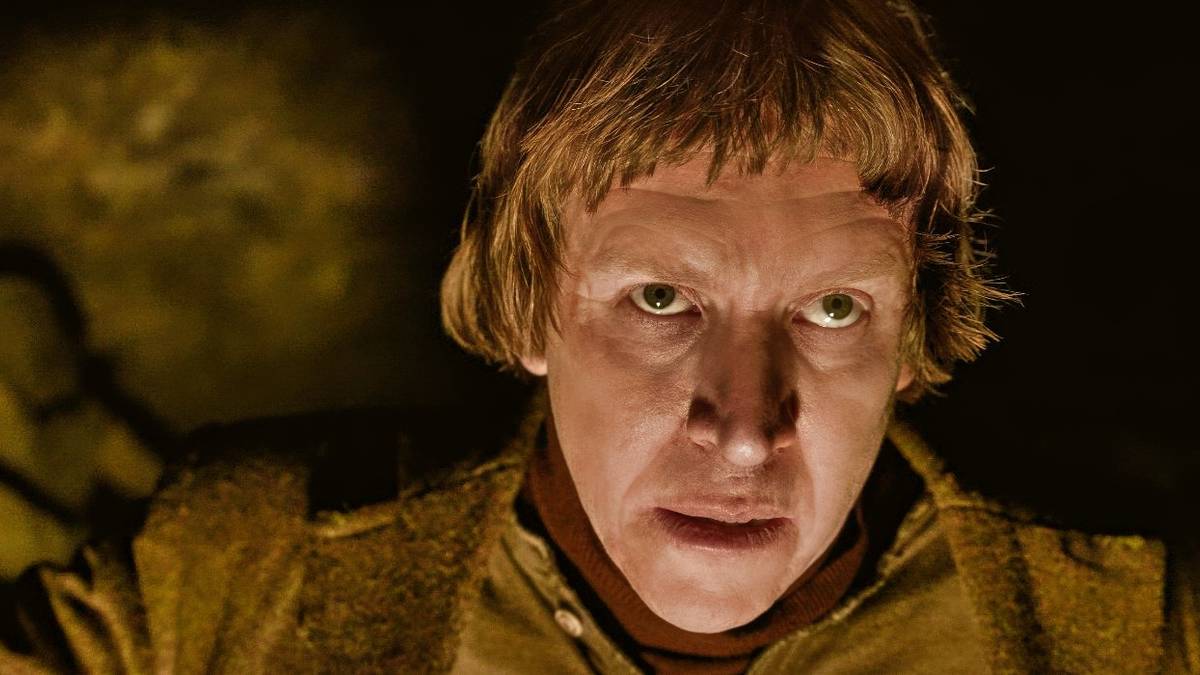
In the penultimate episode of the first half of Season 6, titled "Plan and Execution," everything came crashing down. Jimmy and Kim, in their shared love of elaborate cons, had been systematically destroying Howard's reputation, planting fake evidence of drug use and hiring a lookalike to frame him. It was a scheme born of spite and a misguided sense of justice, but it was about to collide with a far more dangerous force: Lalo Salamanca, the cartel boss everyone believed was dead. When Howard discovered the truth and confronted the couple in their apartment, Lalo walked in, and in a split second, Howard was shot dead. The scene was both thrilling and horrifying, a masterclass in tension that left audiences stunned.
Howard's death was more than just a shocking plot twist; it was a turning point for Better Call Saul. For years, the show had been compared to its predecessor, Breaking Bad, often seen as the quieter, more introspective sibling. But this moment proved the prequel could deliver the same gut-punch intensity, while also deepening its exploration of morality. Unlike Walter White, who descended into villainy through a series of calculated choices, Jimmy and Kim's downfall felt almost accidental—a series of small, selfish decisions that spiraled into tragedy. Howard, who had been a symbol of the establishment, became a martyr, his death underscoring the collateral damage of Jimmy's choices.
The aftermath was equally harrowing. In the following episode, "Point and Shoot," Jimmy and Kim were forced to dispose of Howard's body, a grim task that stripped away any remaining illusions of their moral high ground. The couple, who had once seemed like lovable rogues, were now complicit in covering up a murder. This shift was a stark reminder that in the Gilligan universe, no one escapes the consequences of their actions. Howard's death also served as a commentary on the dangers of unchecked ambition and the ease with which good people can be destroyed by the chaos around them.
For fans, Howard's demise was a gut-wrenching moment that redefined the series. It elevated Better Call Saul from a mere prequel to a standalone masterpiece, one that could stand toe-to-toe with Breaking Bad in terms of emotional weight and narrative stakes. Patrick Fabian's portrayal of Howard, initially dismissed as a one-dimensional antagonist, evolved into one of the most sympathetic characters in the franchise. His death was not just a plot device; it was a poignant reminder of the fragility of life and the far-reaching impact of our choices.
In the end, Howard Hamlin's death was a defining moment for Better Call Saul, one that will be remembered as one of television's most shocking and tragic scenes. It proved that even in a world of morally gray characters, there are lines that cannot be crossed without consequences. And for Jimmy McGill, it was the final push into the moral abyss, setting the stage for the Saul Goodman we met in Breaking Bad. The scene was a testament to the show's brilliance, and a reminder that sometimes the most unforgettable moments are the ones we never see coming.