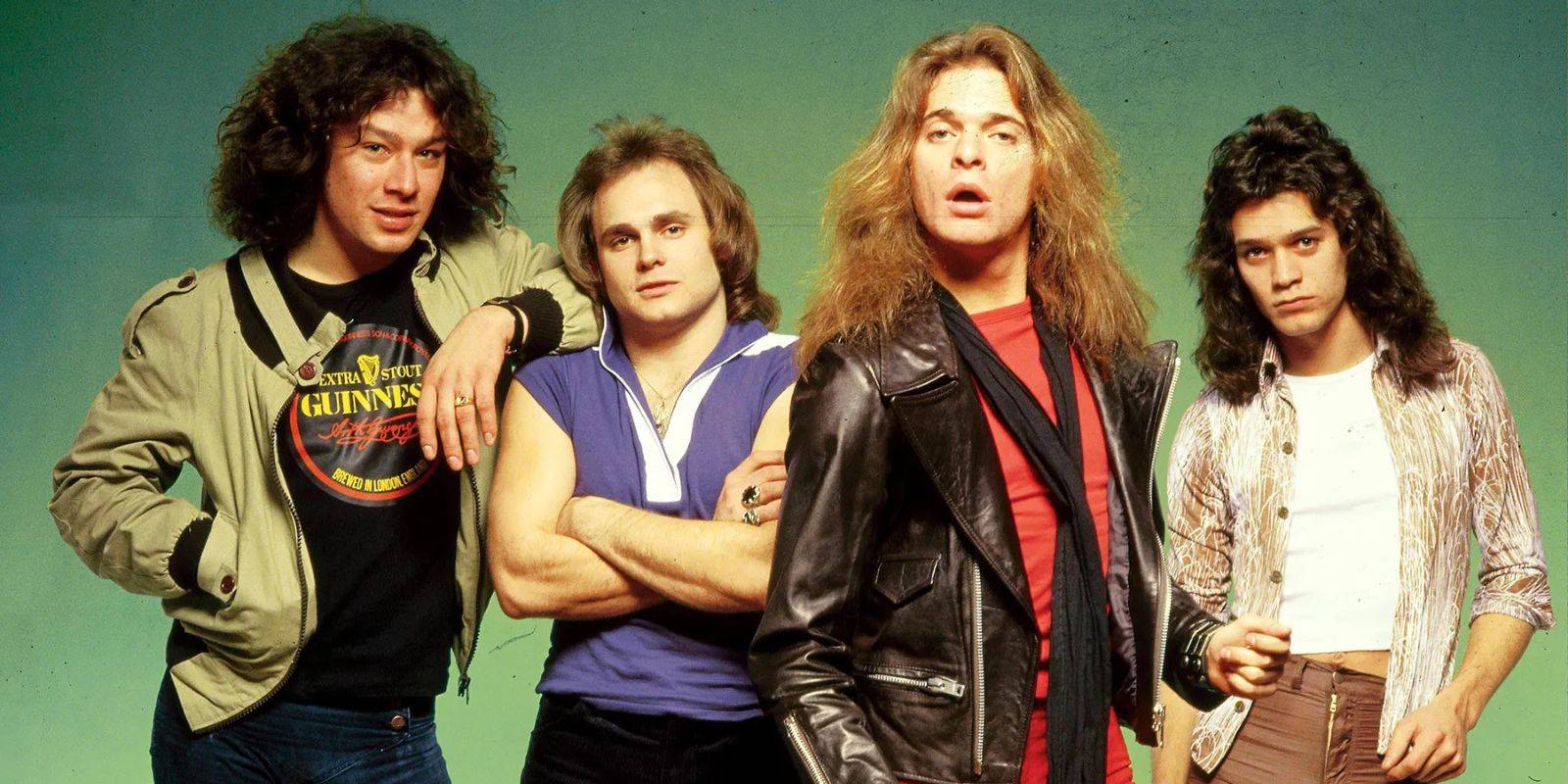
Thirty years ago this week, Van Halen stood on the brink of rock history. The original lineup—Eddie and Alex Van Halen, David Lee Roth, and Michael Anthony—reunited onstage at the 1996 MTV Video Music Awards for the first time since Roth's 1985 exit. For a few electric minutes, it seemed the impossible had happened. Then it all fell apart.
What followed was one of the strangest nights in rock lore. Roth believed he was rejoining the band; the Van Halen brothers had other plans. The triumphant reunion turned awkward, then hostile, and by night's end, Roth and the brothers were barely speaking. In hindsight, that night was a warning—a harbinger of three decades of self-inflicted wounds that have badly damaged the legacy of one of America's greatest rock bands.
The Reunion That Wasn't
Van Halen had already survived Roth's departure and thrived with Sammy Hagar. But by 1995, tensions with Hagar were boiling over. When the label wanted new songs for a greatest hits collection, Hagar refused. He was out—whether he quit or was fired depends on who's telling the story.
Meanwhile, Roth was circling back. He and Eddie reconnected, and the guitarist invited him to the studio to lay down a couple of tracks. To Roth, that meant he was back in the band. The VMAs appearance on September 4, 1996, where they presented an award to a roaring crowd, seemed to confirm it.
But minutes after leaving the stage, Roth and Eddie got into a heated argument. Eddie later claimed he told Roth, "You ever speak to me like that again, you better be wearing a cup." The next day, Roth issued a press release saying he'd been lied to—used as a publicity stunt. Van Halen countered by announcing they'd found a new singer. Exactly one month later, Gary Cherone of Extreme was unveiled as Van Halen's third frontman.
A Compilation That Backfired
The greatest hits album that sparked the chaos, Best Of – Volume I, arrived in October 1996. In a classic Van Halen twist, neither of the two singers featured on it was actually in the band at the time. The collection included ten Roth-era tracks and seven from Hagar's tenure, but the band's dysfunction extended to the music itself.
"Runnin' With the Devil," the band's classic opener, was a no-brainer for the compilation. But the first pressings used the wrong mix, with the second and third verses flipped. The error resurfaced on the Detroit Rock City soundtrack three years later and still persists on streaming services today.
The Cherone Experiment
Choosing Gary Cherone as the third singer is often mocked, but at the time, he was arguably the best available fit—able to handle any era of the band's catalog. He wasn't the first choice, though. Skid Row's Sebastian Bach was considered, as was blues-rocker Sass Jordan. Nashville's Mitch Malloy was even offered the gig, but after watching the VMAs debacle, he wisely declined.
Cherone walked into a firestorm. Fans were still furious over the Roth fiasco, and the band went straight into recording. The result, Van Halen III, debuted at No. 4 in March 1998 but quickly tanked. "Without You" was a strong single, but the album was too abstract and esoteric, lacking the carefree energy that defined Van Halen. Critics savaged it. It was essentially an Eddie Van Halen solo project—he played most of the drums and bass and even sang on one track.
Cherone later admitted the album was rushed. "It was basically Eddie's baby," he said. "If we'd nurtured the songs, there were gems. We really became a band after the tour. If I could do it over, I'd have joined, toured, played hits, then recorded." Instead, by the time they entered the studio in 1999 for a second try, expectations had plummeted.
A Legacy in Tatters
The Cherone era ended after just one album and a tour. Van Halen then went into a long hibernation, punctuated by sporadic reunions—first with Hagar in 2004, then with Roth in 2007. But each comeback was marred by more missteps: a botched 2004 tour with Hagar that ended in acrimony, a 2012 album with Roth that divided fans, and the exclusion of Michael Anthony from the 2007 reunion, replaced by Eddie's son Wolfgang.
Even the band's reissue strategy has been puzzling. Fans have long clamored for proper archival releases, but the band has delivered little beyond the flawed Best Of and a few live sets. Meanwhile, Eddie's death in 2020 closed the book on any hope of a full reconciliation.
Van Halen's music remains timeless—the riffs, the swagger, the sheer joy of rock 'n' roll. But the band's post-1996 decisions have left a bitter aftertaste. For a group that once defined effortless cool, they spent three decades making it look hard. The legacy is still there, but it's been chipped away, one bad decision at a time.