When you think of The Legend of Zelda, you probably picture the lush fields of Hyrule, the heroic Link, and the ever-present Princess Zelda. But one entry in the beloved franchise threw all that out the window—and it owes its strange, dreamlike atmosphere to a certain cult TV show from the early '90s. That show is Twin Peaks, and its influence on The Legend of Zelda: Link's Awakening is as subtle as it is profound.
A Surprising Inspiration
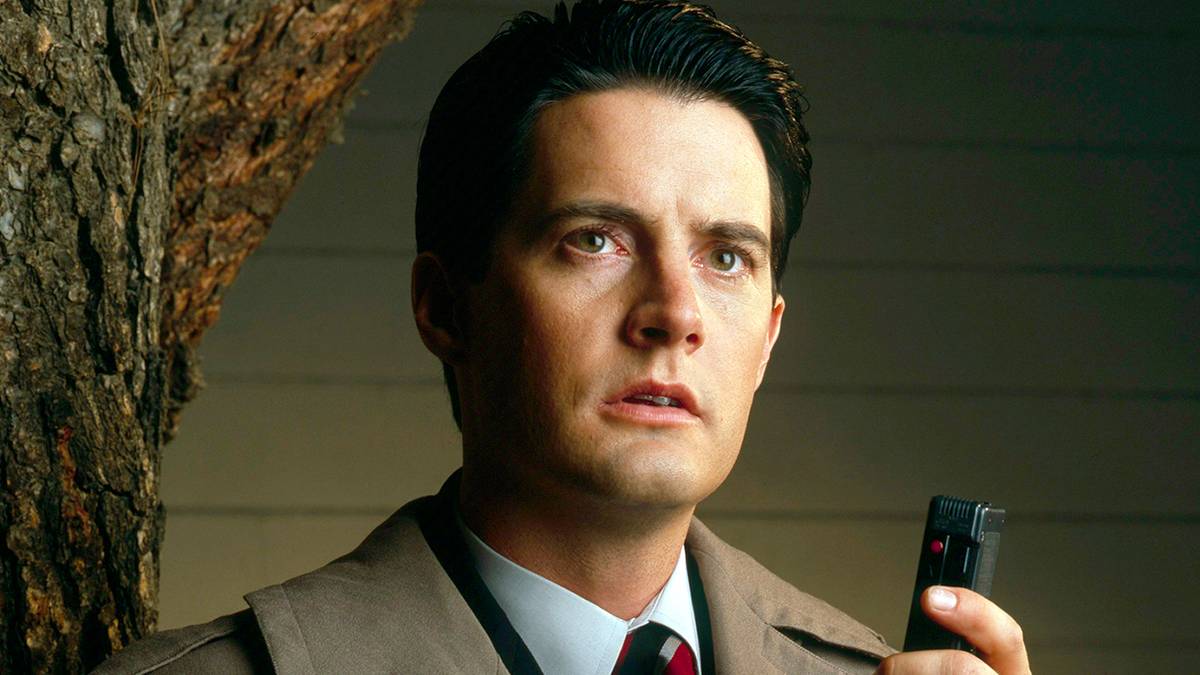
Twin Peaks, created by David Lynch and Mark Frost, debuted in 1990 and immediately captivated audiences with its quirky small-town characters, eerie mysteries, and surreal tone. The show centered on the murder of homecoming queen Laura Palmer and the eccentric FBI agent Dale Cooper who investigated it. Its blend of the mundane and the bizarre—think cherry pie, dancing dwarfs, and cryptic owls—became a cultural touchstone that influenced everything from TV to movies, and yes, video games.
In an interview for the series Iwata Asks, Nintendo developer Takashi Tezuka revealed that Twin Peaks directly inspired his vision for Link's Awakening. “At the time, Twin Peaks was rather popular,” Tezuka said. “The drama was all about a small number of characters in a small town... So when it came to The Legend of Zelda: Link's Awakening, I wanted to make something that, while it would be small enough in scope to easily understand, it would have deep and distinctive characteristics.”
What Makes 'Link's Awakening' So Different?
Released in 1993 as the fourth mainline Zelda game, Link's Awakening broke the mold in almost every way. It didn't take place in Hyrule. It didn't feature Princess Zelda or Ganon. Instead, Link wakes up shipwrecked on the mysterious Koholint Island, a place guarded by a giant sleeping creature called the Wind Fish. To escape, Link must collect eight musical instruments and play the Ballad of the Wind Fish to awaken the beast.
From the moment Link washes ashore, the Twin Peaks influence is palpable. The island is populated by oddball characters—like the dreamy Marin, who longs to see the outside world, and a cryptic owl who guides Link on his quest. The game's tone is whimsical yet unsettling, with moments of surreal humor and a pervasive sense that nothing is quite as it seems. Sound familiar? That's the Twin Peaks magic at work.
The Dream World Connection
The most direct link between the two comes in the game's final act. After collecting all eight instruments, Link climbs to the Wind Fish's egg atop the mountain. There, he learns the truth: Koholint Island is nothing more than a dream—a creation of the Wind Fish's slumbering mind. When Link plays the ballad and awakens the Wind Fish, the entire island and its inhabitants vanish as if they never existed.
This “it was all a dream” twist echoes the dreamlike quality of Twin Peaks, where reality and fantasy blur constantly. While the show never pulled that exact trope, its surreal, Lynchian atmosphere makes every episode feel like a fever dream. Link's Awakening leans into that same weirdness, embracing the bizarre without apology. It's a game that feels like a strange, beautiful dream you can't quite shake—and that's exactly what makes it so unforgettable.
For fans of both Twin Peaks and Zelda, the connections are a delight to uncover. The game's quirky characters, offbeat humor, and dream logic all pay homage to Lynch's masterpiece. And while Link's Awakening may not be the most obvious Zelda game, it's certainly one of the most memorable—a testament to how a small-town TV show can inspire a legendary video game.
If you haven't experienced Twin Peaks yet, it's streaming on Paramount+ in the U.S. And if you want to dive into more surreal gaming adventures, check out our list of the best action video games of all time for more mind-bending fun.