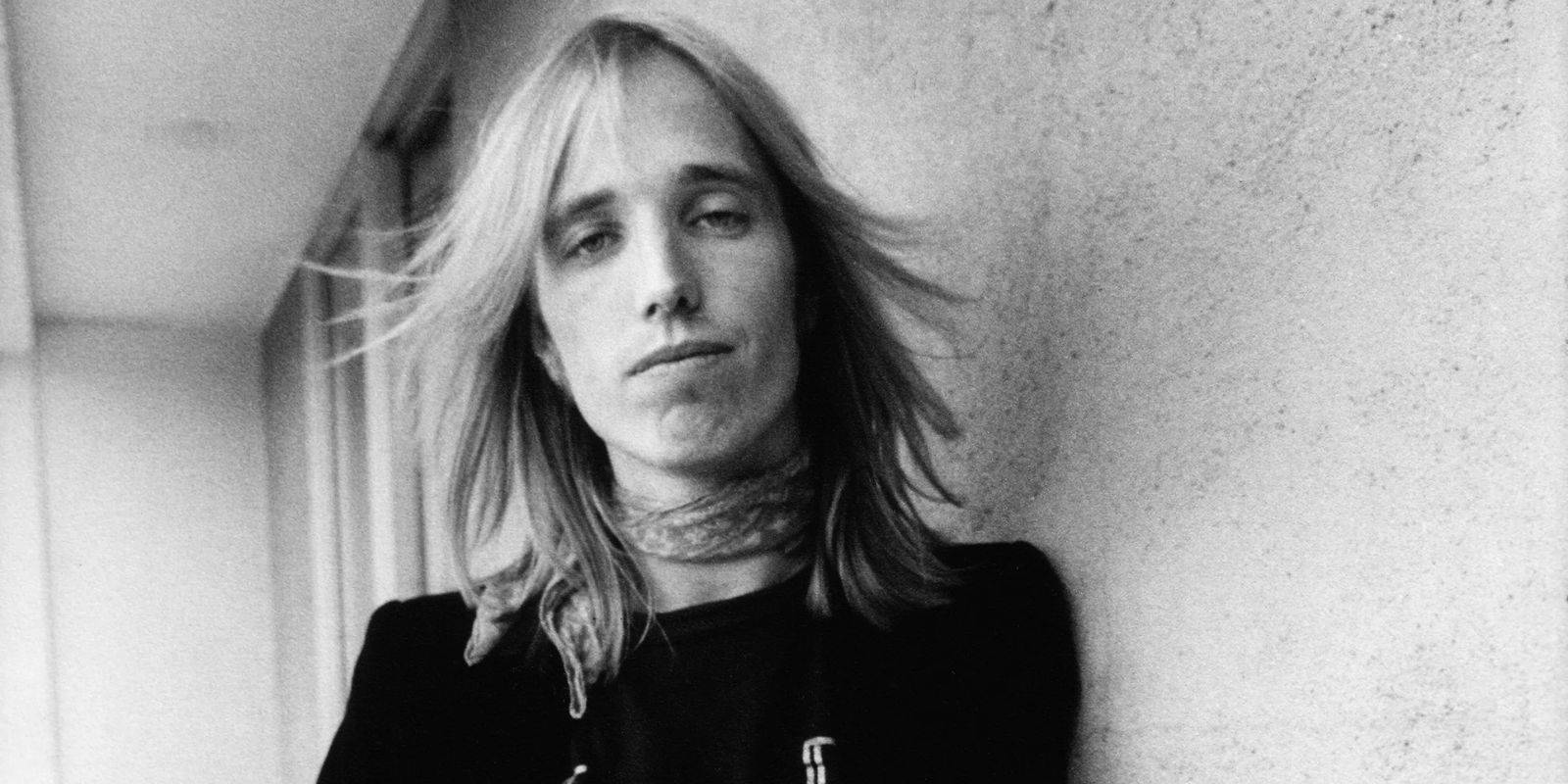
Tom Petty's legacy is defined by timeless hits and a voice that could break your heart, but behind the music lies a story of fierce resistance. When the rock icon faced losing control of his art during the making of Damn the Torpedoes, he didn't just push back—he declared bankruptcy. It was a move that would forever change how artists deal with record labels.
Petty's career was already on the rise when he and the Heartbreakers entered the studio for their third album. But the business side of music was about to throw a wrench into the creative process. In 1979, his label, Shelter Records, was sold from ABC to MCA Records—and with it, Petty's contract. He was furious, feeling like he'd been "bought and sold like a piece of meat." He refused to accept the transfer, even though the contract gave him no legal ground to stand on.
A Creative Stand
Instead of backing down, Petty went on the offensive. He withheld the new songs, refusing to let MCA anywhere near the recordings. He even financed the album himself, racking up over $500,000 in debt. For Petty, creative freedom was worth more than money—and he was willing to risk everything to keep it.
His defiance wasn't just about his own career. Petty saw himself as a symbol for artists everywhere who were treated as commodities. By taking on a corporate giant, he hoped to open doors for other musicians to stand up for their rights.
The Hidden Tapes
MCA eventually sued Petty, demanding access to the new songs. They tried to seize the demo tapes, but Petty had a clever trick up his sleeve. He had his guitar tech hide the tapes in a secret location, so when asked in court, he could honestly say he didn't know where they were. The gambit worked—MCA couldn't get their hands on the music, and their resolve began to weaken.
After months of legal battles, MCA finally caved. They dissolved Petty's contract but quickly re-signed him under a new sub-label, Backstreet Records, created just for him. The deal was worth $3 million and, more importantly, gave Petty creative control over his music. He accepted, knowing it was the best he could get.
A Triumph for Artists
The gamble paid off. Damn the Torpedoes became a massive success, selling over three million copies in the U.S. alone. It launched the Heartbreakers into superstardom and proved that Petty's fight was worth it. But the battle wasn't over. A few years later, MCA tried to raise the price of his next album, Hard Promises, to $9.98 instead of the standard $8.98. Petty refused to release it unless the price was fair to fans—and MCA backed down again.
Petty's story is a reminder that artists can push back against the industry. His stand set a precedent that resonates today, from classic rock albums to modern streaming battles. While not every artist will win like Petty did, his courage showed that integrity can triumph over corporate greed.
In the end, Damn the Torpedoes isn't just a great album—it's a testament to one man's refusal to be silenced. Petty's legacy isn't just in his music, but in the rights he fought to protect for all artists.