For years, the Star Wars prequel trilogy was treated like the franchise's awkward cousin—overstuffed with CGI, clunky dialogue, and a young Anakin Skywalker who couldn't catch a break. But time has a funny way of healing wounds. After the sequel trilogy reignited the fandom in 2015, fans started to embrace the prequels' messy charm. Now, Disney+'s latest animated series, Star Wars: Maul — Shadow Lord, is proving that the prequels' most divisive elements aren't just salvageable—they're the key to the franchise's future.
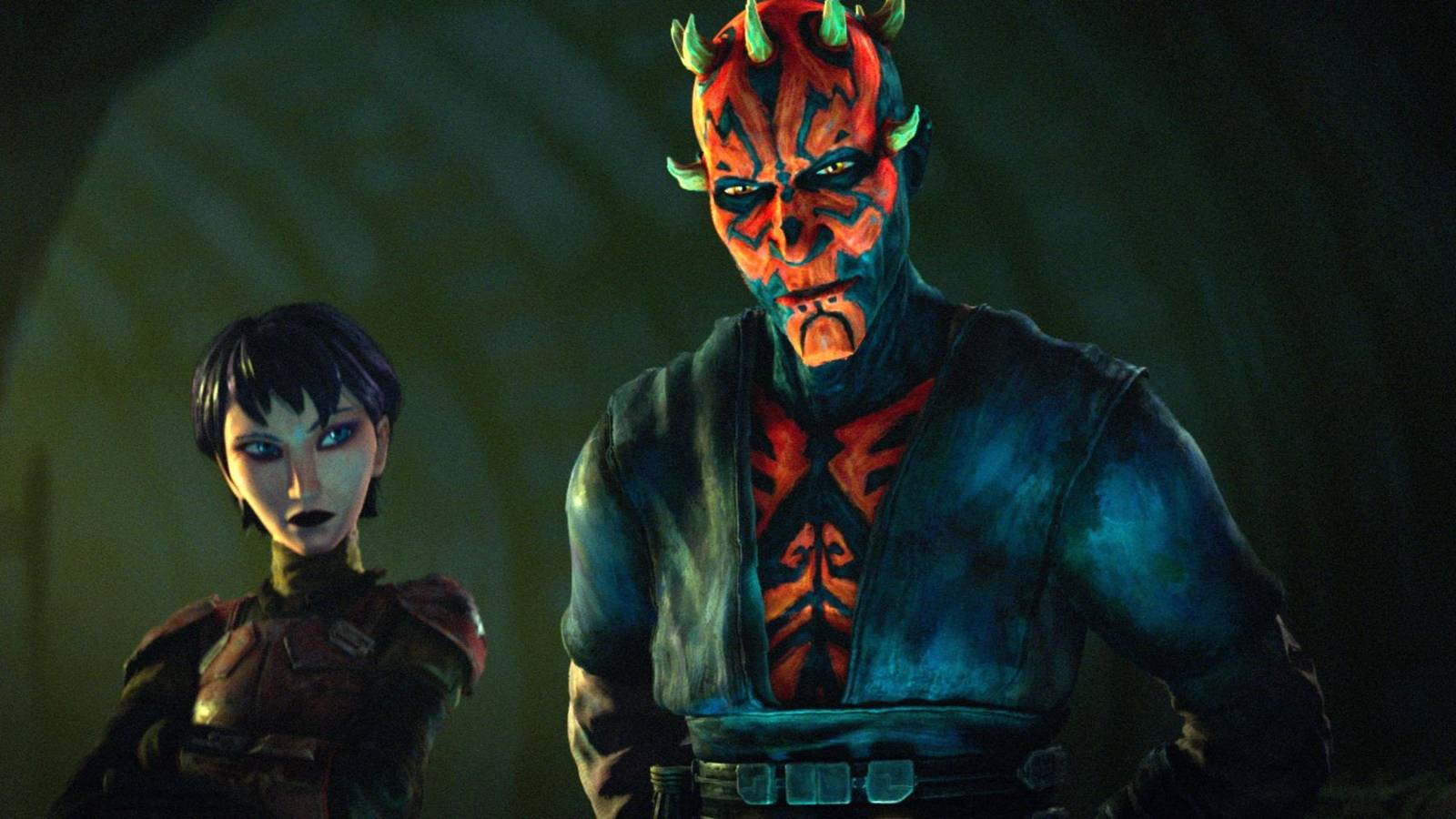
Set 20 years before Dave Filoni's beloved Rebels, the show follows Maul (voiced by Sam Witwer) as he claws his way back from the ashes of the fallen Republic. Once the Emperor's apprentice, Maul is now a ghost seeking revenge on everyone who wronged him—especially Palpatine. This quest puts him in an unexpected alliance with the survivors of Order 66, blurring the line between Sith and Jedi. Episode 8, titled "The Creeping Fear," dives deep into Maul's haunted past, revealing that his pain is a mirror of the Jedi's own trauma.
The Creeping Fear: A Nod to Prequel History
The episode's title isn't just a spooky phrase—it's a deep cut from the prequel era. Back when Revenge of the Sith was still in development, George Lucas toyed with several alternate titles, including Rise of the Empire and Birth of the Empire. In an April Fool's Day prank in 2004, Lucasfilm's official website listed "The Creeping Fear" as the film's title. It was a joke, but Filoni's decision to resurrect it for Maul's story feels like a deliberate homage—a way to honor the prequels' legacy while giving it new weight.
Filoni has a knack for this. He turned The Clone Wars into a redemption arc for Anakin Skywalker, fleshing out Hayden Christensen's live-action performance. Now he's doing the same for Maul, a character who had only two lines in The Phantom Menace before being sliced in half. Maul — Shadow Lord transforms him from a one-note villain into a tragic figure—a child groomed and tortured by Palpatine, raised as a weapon, and then discarded. "The Creeping Fear" shows that Maul's darkness isn't born of evil, but of pain.
Why the Prequels Finally Get Their Due
This series is more than just a Maul story—it's a love letter to the prequel trilogy. For years, fans treated those films as a guilty pleasure, but Maul — Shadow Lord helps cement them as an essential part of the canon. The show's nuanced take on Maul's trauma echoes the themes of loss and manipulation that run through the prequels, proving that even the most divisive chapters can yield rich storytelling.
As the franchise continues to expand, it's clear that the prequels' legacy is no longer something to ignore. From sci-fi franchises you can't quit to the enduring power of character-driven arcs, Maul — Shadow Lord shows that the best stories often come from the most unlikely places. The creeping fear of the prequels has finally become a source of strength.