Back in the late '80s and early '90s, television was a very different beast. Most shows, regardless of genre, stuck to self-contained episodes where conflicts were neatly resolved by the final credits. Serialized storytelling—where plot threads and character arcs stretch across multiple episodes or even entire seasons—was still a novelty. That all changed when Star Trek: The Next Generation aired its Season 3 finale in June 1990, a two-part epic that didn't just push boundaries but obliterated them.
The Next Generation had already been fighting an uphill battle. The original Star Trek had become a cult hit in syndication, but the franchise was far from the global juggernaut it is today. The sequel series debuted in 1987 to mixed reviews, struggling under creator Gene Roddenberry's insistence that humanity had evolved beyond internal conflict. While noble, that utopian vision made for predictable, one-off adventures. It wasn't until Roddenberry stepped back and writer Michael Piller took the reins in Season 3 that the show found its footing. Piller's new directive was simple: every episode had to prioritize character development.
That shift culminated in "The Best of Both Worlds," a two-part story that remains one of the most celebrated cliffhangers in TV history. The Borg, a terrifying collective of cybernetic beings introduced in Season 2, had been lurking in the shadows. Their sole purpose: to assimilate all life, stripping away individuality and free will. The Enterprise crew had barely escaped their first encounter, but the threat loomed large. When the Season 3 finale opened with a Federation colony wiped out by the Borg, the tension was immediate and suffocating.
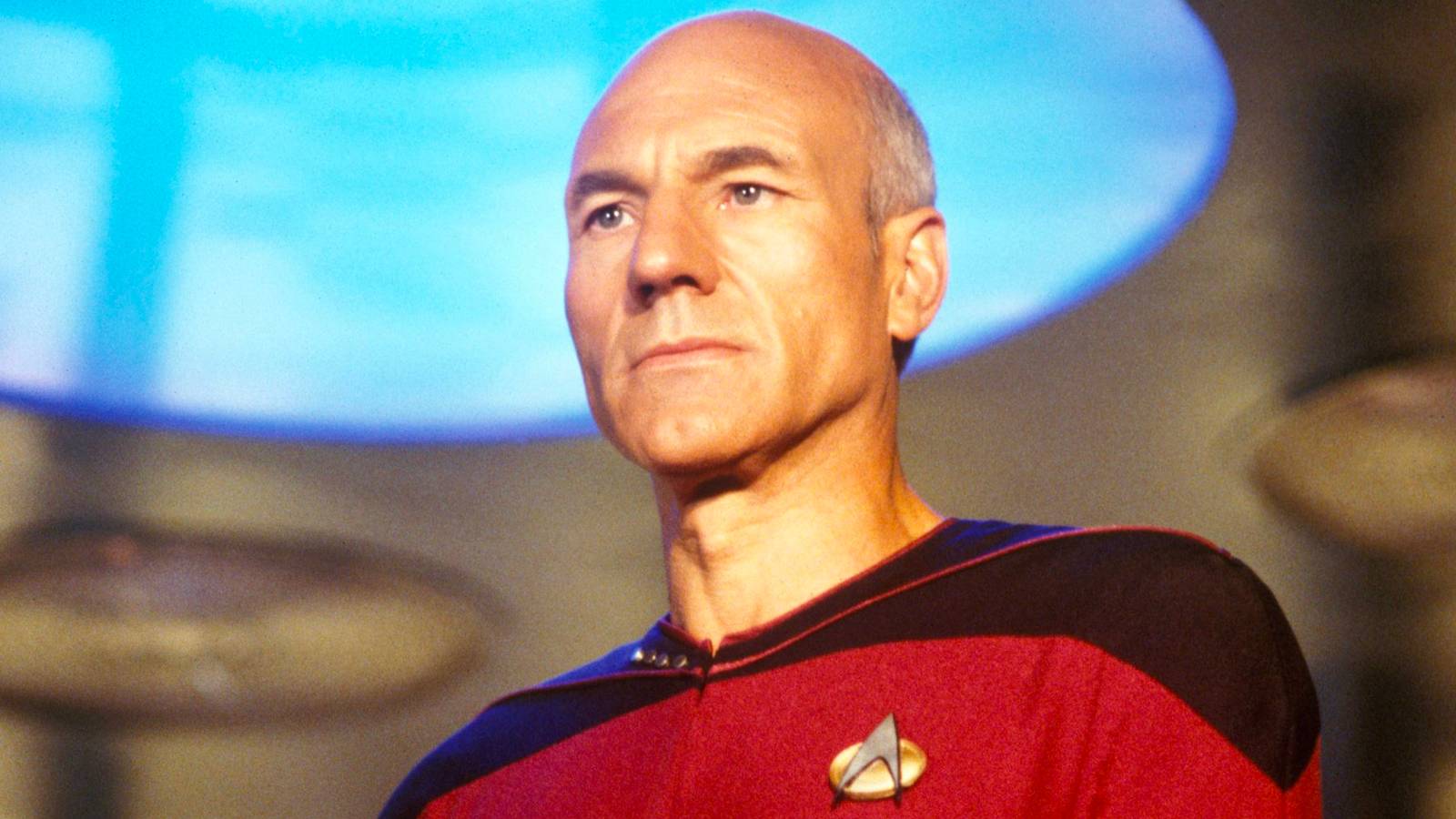
What made "The Best of Both Worlds" so groundbreaking wasn't just the high-stakes plot—it was how the episode wove character beats into the chaos. Captain Jean-Luc Picard, played with masterful restraint by Patrick Stewart, found himself facing an enemy he couldn't outthink or outtalk. In a quiet scene with Guinan (Whoopi Goldberg), Picard reflects on the tradition of a captain touring his ship before a hopeless battle. His willingness to sacrifice himself for the greater good underscores just how deeply moral and courageous he is. Meanwhile, the crew's poker nights and casual banter remind us that these are people we care about, not just action figures in space.
The episode's final moments are the stuff of TV legend. After a tense confrontation, Picard is captured and assimilated by the Borg, becoming Locutus—a mouthpiece for the collective. The last shot shows a Borgified Picard leading an attack on the Enterprise, leaving viewers stunned. It was a gut punch that shattered the episodic formula and forced fans to wait an agonizing summer to find out what happened next. Dean Norris might be writing oral histories now, but back then, no one had seen a cliffhanger this brutal on network TV.
The impact of "The Best of Both Worlds" rippled far beyond Star Trek. It proved that serialized storytelling could work in genre television, paving the way for shows like Babylon 5, Lost, and even modern streaming hits. Netflix's cozy revivals owe a debt to this moment, when TV learned to trust its audience with complex, ongoing narratives. Today, episodic shows are the exception, not the rule—and we have a Borg-infested cliffhanger to thank for that.
Thirty-six years later, "The Best of Both Worlds" remains a masterclass in tension, character, and sheer audacity. It's a reminder that sometimes the best way to honor a franchise is to break its rules. And for Star Trek, that meant going where no one had gone before—into the heart of a summer-long nightmare.