For nearly three decades, Star Trek operated under a set of unwritten rules: Starfleet officers were paragons of virtue, the future was a place of enlightened diplomacy, and moral dilemmas were solved with a stirring speech rather than a phaser blast. Then came Star Trek: Deep Space Nine, the franchise's black sheep, which dared to ask what happens when paradise meets a war it can't talk its way out of. In 1998, the Season 6 episode "In the Pale Moonlight" didn't just bend those rules—it blew them to pieces.
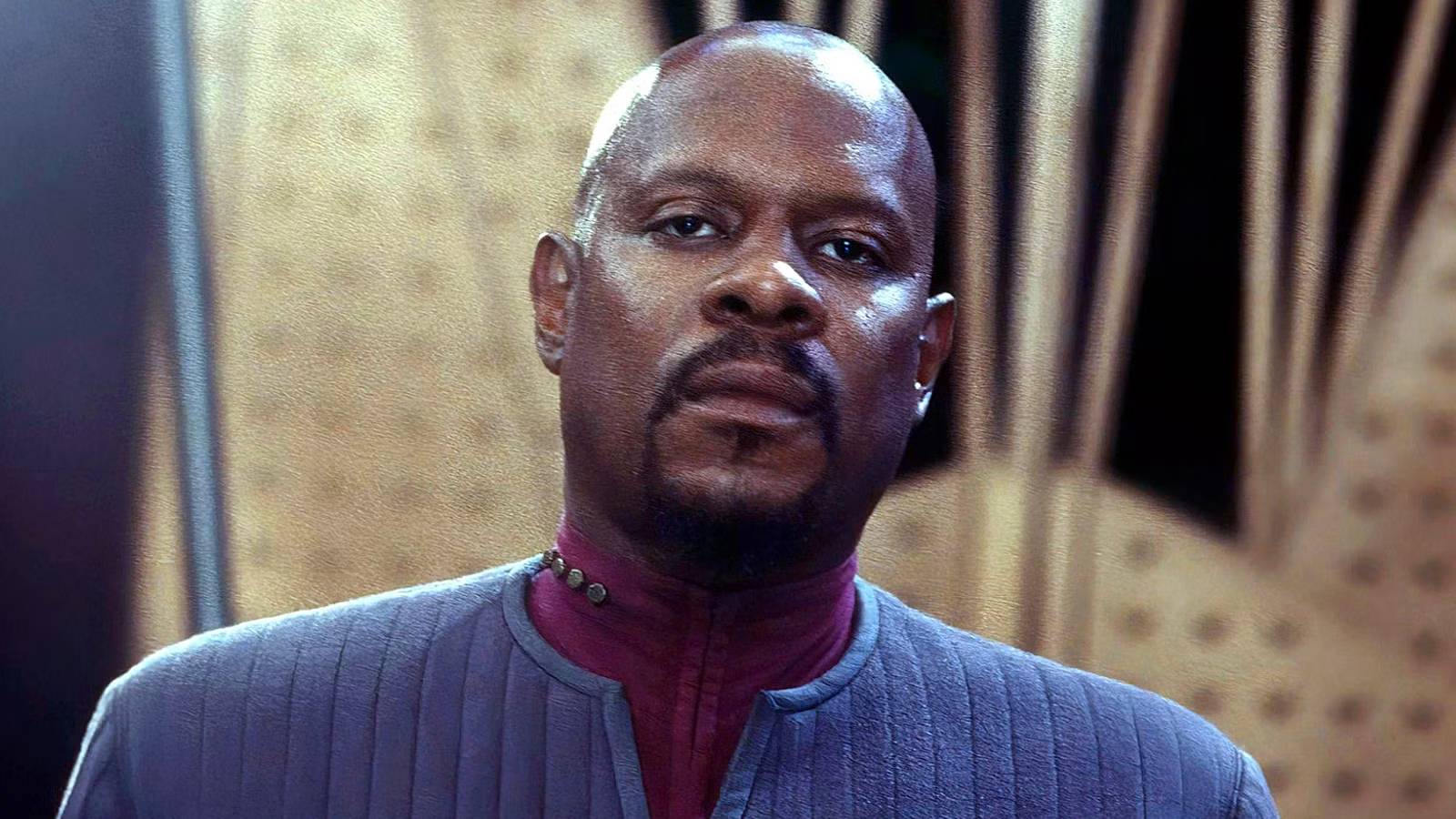
At the time, the Dominion War was going badly. The Federation and its Klingon allies were losing ships, planets, and hope. Captain Benjamin Sisko (Avery Brooks) hatched a desperate plan: bring the Romulan Star Empire into the fight by any means necessary. He enlisted Elim Garak (Andrew Robinson), a former Cardassian spy with a flexible conscience, to help fabricate evidence of a Dominion plot against the Romulans. What began as forgery and intimidation spiraled into the assassination of a Romulan senator—orchestrated by Garak, who then framed the Dominion for the murder. The plan worked. The Romulans joined the war. And Sisko's soul paid the price.

What made "In the Pale Moonlight" so revolutionary wasn't just its plot—it was its refusal to offer absolution. Sisko, a fundamentally good man, a devoted father, and a compassionate leader, is forced to confront the fact that he has crossed a line from which there is no return. The episode ends with him alone in his quarters, recording a personal log. In a monologue of Shakespearean intensity, Brooks peels back every layer of Sisko's anguish: denial, self-justification, shame, and finally, a hollow acceptance. "I can live with it," he says, repeating the phrase as if trying to convince himself. It's a moment that redefined what a Star Trek captain could be.
Unlike the idealized crews of The Original Series or The Next Generation, Sisko isn't given a loophole. There's no last-minute reprieve, no moral high ground to retreat to. The episode doesn't argue that the ends justify the means; it simply observes one man drowning in the consequences of his choices. As Sisko himself noted back in Season 2, "It's easy to be a saint in paradise." But the Dominion War is no paradise, and Sisko's responsibility to protect the countless lives under his command outweighs his personal code. He shoulders the sin so others can keep their hands clean.
This wasn't just a departure for Star Trek; it was a landmark moment in serialized storytelling. Deep Space Nine had already pushed boundaries by embracing long-form arcs and morally gray characters, but "In the Pale Moonlight" crystallized its mission. It showed that the franchise could tackle terrorism, espionage, and the true cost of victory without losing its optimistic core. The episode remains a touchstone for discussions about ethics in fiction, and it paved the way for darker, more complex genre TV that followed—from Battlestar Galactica to The Expanse. For a show that once struggled for recognition, this hour of television became its crowning achievement.
In the years since, no Star Trek lead has faced a crisis quite like Sisko's. Other captains have broken rules, but none have orchestrated a murder and covered it up to win a war. "In the Pale Moonlight" endures because it trusts its audience to sit with discomfort, to wrestle with the same questions Sisko does. It's a reminder that even in a future of replicators and warp drive, humanity's greatest battles are still fought within. And sometimes, as Sisko learned, you can live with the outcome—but you never really move on.