When Die Another Day hit theaters in 2002, it was meant to be a grand celebration of James Bond's 40th anniversary on the big screen. Instead, it became the franchise's most notorious punchline—a 133-minute thrill ride that, for better or worse, marked the end of Pierce Brosnan's tenure as 007. While the film raked in cash at the box office, critics and fans alike noticed a sharp decline in quality from Brosnan's earlier outings like GoldenEye and Tomorrow Never Dies. Today, it's widely considered one of the worst Bond films, sitting alongside the campy 1967 Casino Royale and the non-canonical Never Say Never Again.
From laughable CGI sequences that looked dated even in 2002 to a wildly uneven script and Madonna's disco-infused theme song, Die Another Day feels like a relic of a bygone era—one that, ironically, paved the way for Daniel Craig's gritty reboot. As producer Barbara Broccoli later admitted, the series had become too "fantastical," and it was time for a reset. That reset came in the form of Casino Royale, a grounded, visceral take on Bond that redefined the character for a new generation.

A Promising Start That Quickly Unravels
Directed by the late Lee Tamahori, Die Another Day actually begins on a surprisingly strong note. The opening sequence—an arms deal takedown in North Korea that erupts into a full-scale battle—is tense and thrilling. For the first time in the series, Bond is captured and tortured over the opening credits, a bold move that hints at the vulnerability Craig would later explore. That sequence, emphasizing the physical and psychological toll of being a 00 agent, feels like a precursor to the darker tone of the Craig era.
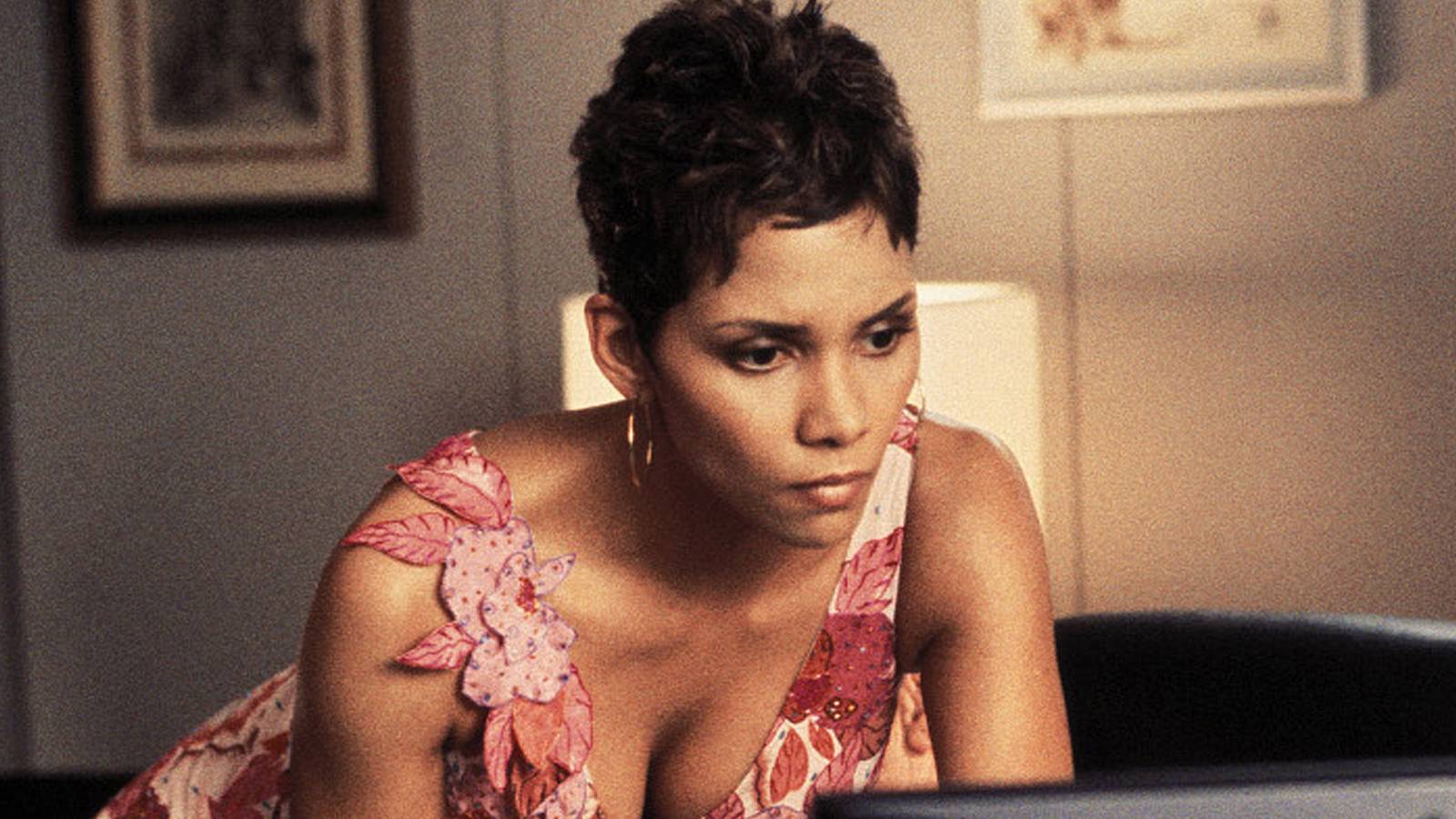
The Cuba segment, featuring Halle Berry's iconic emergence from the ocean in a callback to Ursula Andress in Dr. No, works well enough. Brosnan delivers a solid performance, balancing deadly seriousness with wry self-awareness. Toby Stephens chews the scenery as the two-faced villain Gustav Graves/Colonel Tan-Sun Moon, fitting neatly into the Bond villain canon. Even the fencing match between Bond and Graves, with a bemused Madonna looking on, remains good fun. For a while, it seems like Die Another Day might hold together.
The Absurdity That Defined an Era
Then comes the second half. Graves' ice palace, the invisible Aston Martin, Berry's character tossing a "your mama" joke at the villain—and, most infamously, a computer-generated Brosnan surfing a tsunami using a piece of a jet. Even for 2002, this sequence is jaw-droppingly absurd, a "jumping the shark" moment that has become the film's enduring legacy. It's a shame, because Brosnan deserved a more dignified exit. Instead, he got a climax that rivals the silliest Roger Moore entries.
The film's excesses didn't go unnoticed. Critics panned the surfing scene, and it remains a laughingstock to this day. Yet, in a strange way, Die Another Day cleared the deck for what came next. The producers realized the series had strayed too far into fantasy, and they brought back director Martin Campbell—who had helmed Brosnan's debut, GoldenEye—to helm Casino Royale. The result was a Bond film that felt real, with stakes that mattered and a hero who bled. Craig's Bond was more vulnerable, more violent, and more human than any before him, and audiences embraced it.
For fans of classic Bond, Die Another Day remains a breezy, if flawed, hoot. But its true significance lies in what it ended: the Brosnan era's escalating absurdity, which made way for a new chapter. If you're in the mood for a dark crime thriller, check out Netflix's 'Bloodlands' for a similar dose of tension. And for more on the best action thrillers, see our ranking of the most entertaining action thrillers of all time.
Ultimately, Die Another Day is a fascinating artifact—a film that tried to celebrate Bond's legacy but instead highlighted the need for change. It's the final chapter in a cycle that ran its course, and without it, we might never have gotten the masterful Craig era. Sometimes, you have to hit rock bottom to soar again.