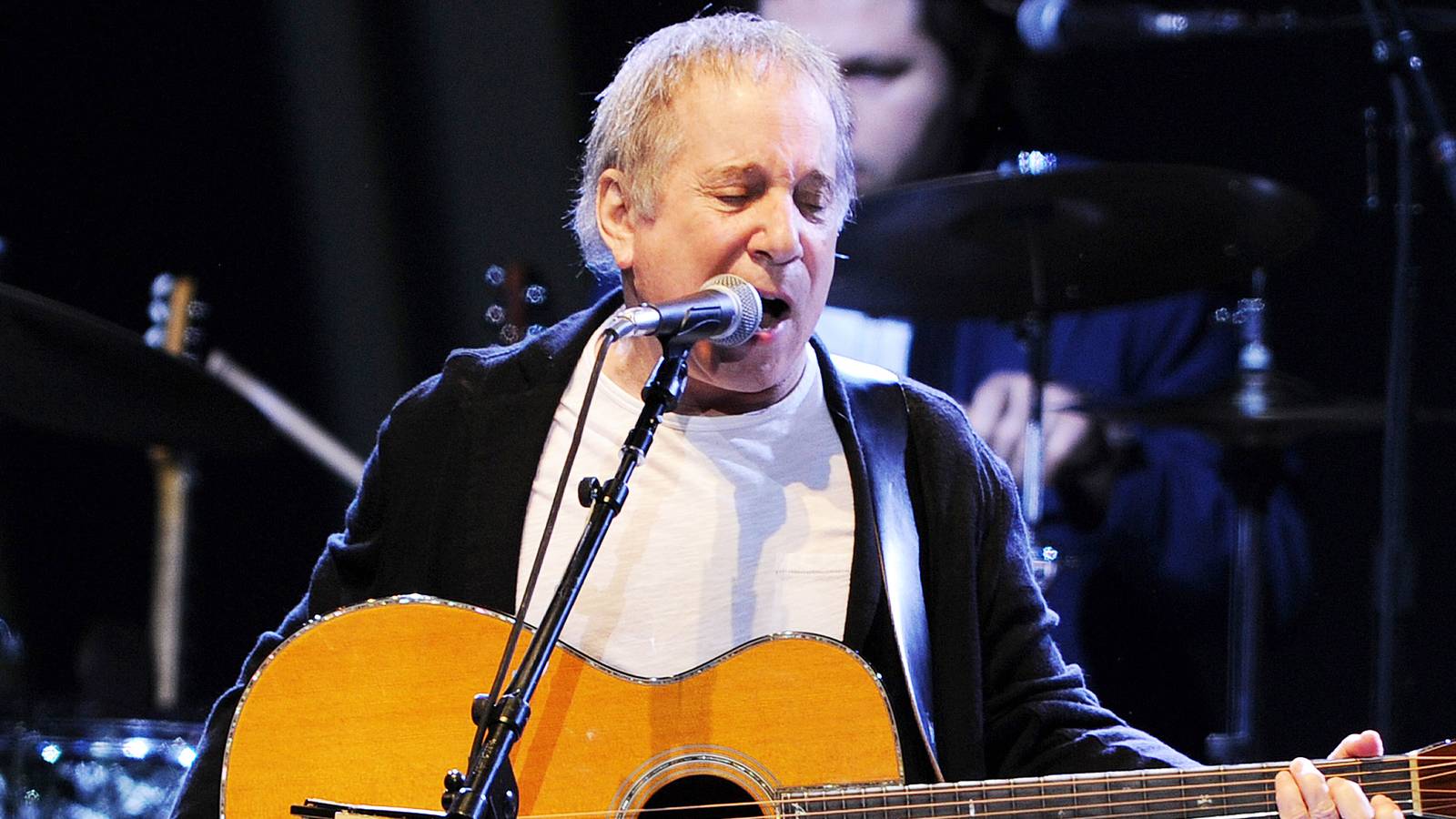
Sometimes, an artist's greatest work emerges from the most unexpected—and contentious—circumstances. For Paul Simon, that moment came in 1986 with Graceland, an album that not only revived his career but also ignited a firestorm of criticism that persists decades later.
After his split from Simon & Garfunkel, Simon found himself creatively adrift. His 1983 album Hearts and Bones had flopped, selling a mere 43,000 copies, and his brief marriage to Carrie Fisher had ended in 1984. Searching for inspiration, Simon stumbled upon a bootleg cassette of township jive—the vibrant street music of Soweto, South Africa. The sound, he later said, reminded him of "very early rock & roll" and felt like "good summer music." Intrigued, he booked a flight to Johannesburg in February 1985, laying the groundwork for what would become his magnum opus.

The Apartheid Dilemma
Simon's timing, however, could not have been worse. South Africa was in the grip of apartheid, a brutal system of racial segregation. The international community had imposed cultural boycotts, urging artists to refuse performances or recordings in the country to pressure the regime. By working with South African musicians in Johannesburg, Simon was accused of breaking those boycotts—and, by extension, of supporting apartheid. Anti-apartheid activists protested his 1987 concert at London's Royal Albert Hall, and critics labeled him a cultural vulture who prioritized his art over the struggle of millions.
Simon defended his actions, insisting his love for the music was genuine and that he aimed to showcase South African talent. He paid the local musicians $200 per hour—far above the typical $15—and brought many of them to New York to continue recording. Yet the controversy never fully subsided, raising uncomfortable questions about artistic freedom versus ethical responsibility.
A Global Phenomenon
Despite the backlash, Graceland became a massive success, selling 16 million copies worldwide and winning the Grammy for Album of the Year. Its fusion of American folk-rock with South African rhythms produced timeless hits like "You Can Call Me Al" and the title track. The album remains a testament to Simon's genius, but its legacy is forever intertwined with the political turmoil that surrounded its creation.
In the end, Graceland is more than just an album—it's a cultural artifact that forces us to weigh the value of art against the cost of its making. For fans and critics alike, it's a conversation that refuses to fade away.