Video game adaptations have become a hot trend in streaming, with hits like The Last of Us, Fallout, and Arcane dominating conversations. But before any of those shows premiered, one animated gem quietly raised the bar back in 2017. Netflix's Castlevania is a gothic fantasy masterpiece that remains one of the most celebrated video game adaptations, boasting a stellar 94% average on the Tomatometer across its four seasons. Based on the 1989 game Castlevania III: Dracula's Curse, the series weaves in elements from across the franchise, proving that even without a blueprint, it could craft something unforgettable.
What Is 'Castlevania' About?
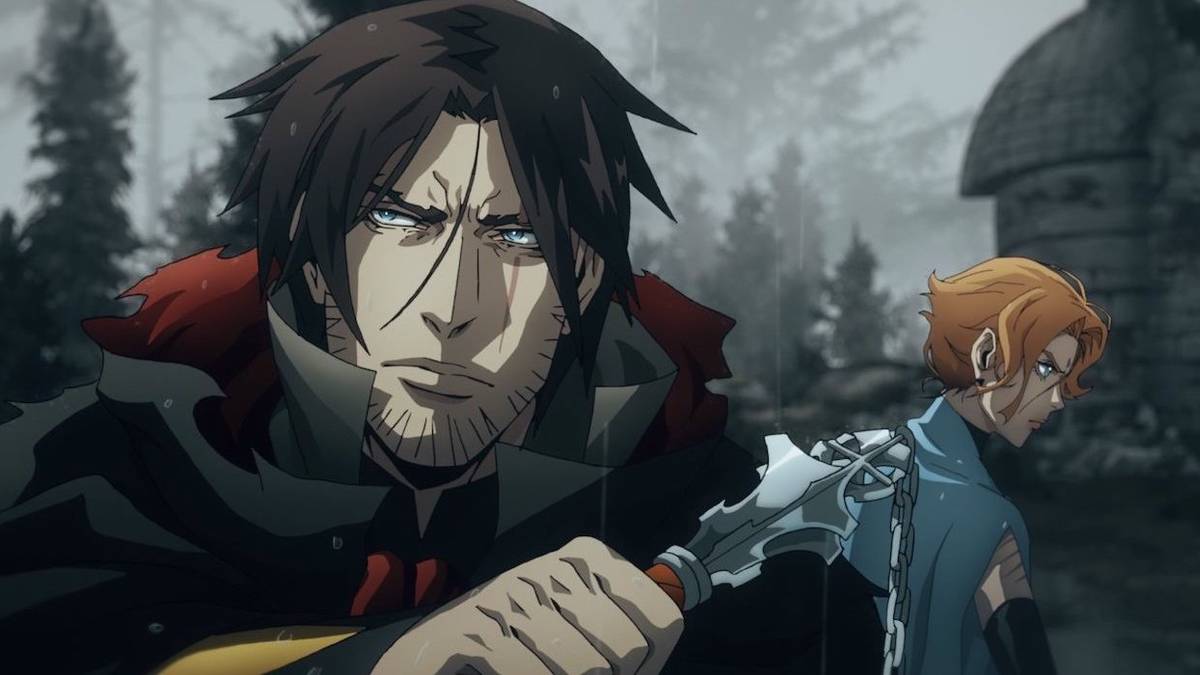
Set in a medieval Europe twisted by supernatural horrors, Castlevania plunges viewers into a world where vampires are terrifyingly real. The story kicks off when Vlad Dracula Tepes (voiced by Graham McTavish) declares war on humanity after his human wife is burned at the stake for witchcraft. To stop his genocidal rampage, an unlikely trio forms: Trevor Belmont (Richard Armitage), the cynical last survivor of a disgraced monster-hunting family; Sypha (Alejandra Reynoso), a naive but immensely powerful magic user; and Alucard (James Callis), Dracula's half-human son who chooses to fight his father. Their journey is packed with monster battles, emotional scars, and dark humor, making the series as gripping as it is visually stunning.

Why 'Castlevania' Stands Out as a Video Game Adaptation
What sets Castlevania apart is its ability to translate the game's gothic atmosphere and kinetic action into a compelling narrative. The show doesn't just copy the game—it expands on it, using creative liberties to deepen the lore. The fight scenes are choreographed with a fluidity that honors the source material while feeling fresh. As noted in our analysis of why HBO's 'The Last of Us' Is the Gold Standard for Video Game Adaptations, the key is respecting the original while telling a new story, and Castlevania nails that balance.
World-Building That Built a Franchise
The series excels at world-building, introducing a rich tapestry of monsters, magic, and religious conflict. It hints at a vast universe beyond what's shown, making every episode feel like a glimpse into a larger, darker realm. This foundation allowed the franchise to expand with the spin-off Castlevania: Nocturne, which jumps centuries ahead and follows a Belmont descendant. With more games to draw from, the potential for future stories is immense. For fans of perfect game-to-screen transitions, check out our list of 10 Perfect Video Games that inspired such adaptations.
Even as the competition grows—with shows like The Last of Us raising the bar—Castlevania remains a benchmark. Its gothic fantasy aesthetic, emotional depth, and pulse-pounding action make it a must-watch for anyone who loves dark fantasy or video game history. If you haven't dived into this world yet, now is the perfect time to start.