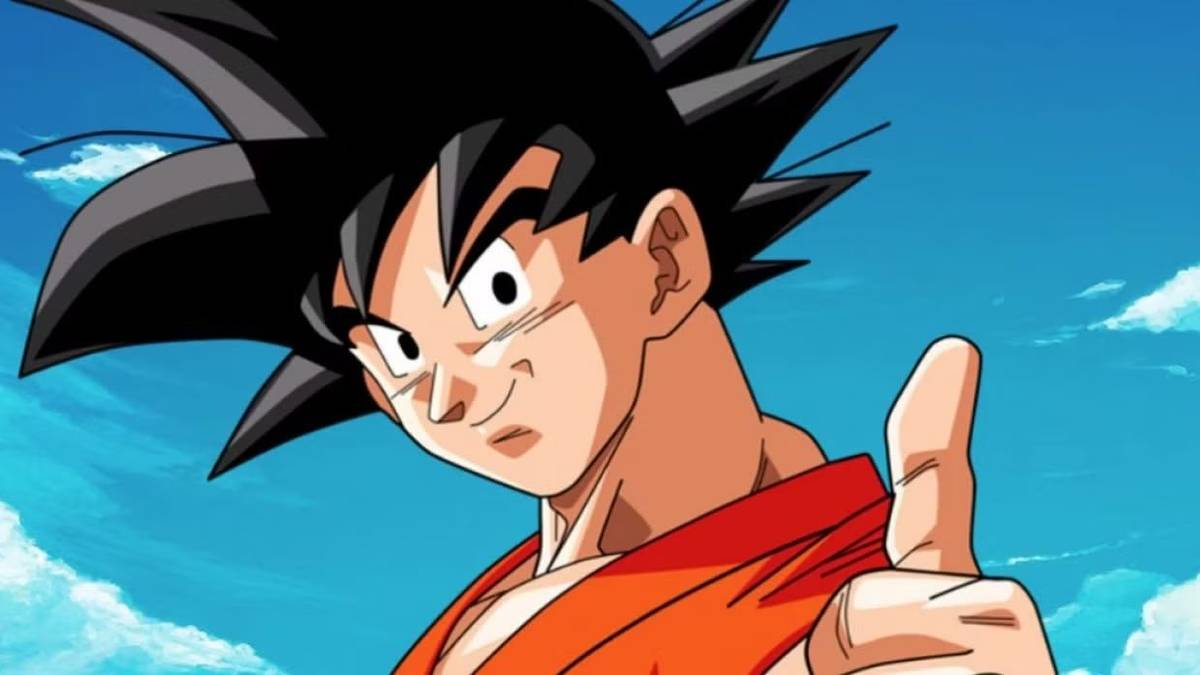
When it comes to anime that shaped the medium, few can match the impact of Dragon Ball and Naruto. Akira Toriyama's creation set the gold standard for shōnen storytelling, and Masashi Kishimoto's Naruto followed in its footsteps, becoming one of the 'Big Three' alongside One Piece and Bleach. While the two series never officially crossed over, Kishimoto found a subtle yet brilliant way to honor his predecessor: he embedded a direct reference to Dragon Ball within Naruto's world, hidden in plain sight for eagle-eyed fans.
The tribute comes in the form of the Four-Tails, one of the colossal tailed beasts that roam the Naruto universe. At first glance, this massive, red-furred, horned gorilla-like creature seems nothing like the cheerful Son Goku. But dig deeper, and the connections become unmistakable. The beast's true name, revealed in Naruto: Shippuden, is Son Gokū—a direct nod to Goku himself, differentiated only by a subtle accent mark.
Kishimoto didn't stop at the name. The Four-Tails' design is a clever amalgamation of Goku's Saiyan heritage. Its monkey-like appearance echoes the Great Ape form that Saiyans unleash under a full moon, a pivotal element of Dragon Ball's early saga. Even the number of tails—four—is a wink to the Four-Star Dragon Ball, the treasured keepsake Goku inherited from his grandfather, Gohan. That ball was more than just a collectible; it was a symbol of family and legacy, much like the tailed beasts themselves.
The homage extends to the jinchuriki who hosts the Four-Tails. His name is Rōshi, a clear reference to Master Roshi, the Turtle Hermit who trained Goku and Krillin. Roshi was instrumental in Goku's development, teaching him the fundamentals of combat and even the iconic Kamehameha wave. By naming the Four-Tails' host after Goku's mentor, Kishimoto reinforces the connection between the two series.
But the roots of this tribute run even deeper. Both Dragon Ball and Naruto draw inspiration from the classic Chinese tale Journey to the West. The legendary Sun Wukong, the Monkey King with immense power and a mischievous streak, served as the template for Goku. Toriyama adapted Sun Wukong's traits into Goku's personality and abilities, even incorporating the Great Ape transformation as a nod to the myth.
Kishimoto took this a step further. The Four-Tails' full self-given title is Seiten Taisei Son Gokū, which translates to 'Great Sage Equalling Heaven'—a direct reference to Sun Wukong's own title. This isn't the only Journey to the West allusion in Naruto; the character Enma, a monkey summoned by the Third Hokage, also pays homage to the Monkey King. These layered references show how Kishimoto wove a rich tapestry of influences into his work.
For fans of both series, this hidden gem is a heartwarming testament to the bond between two anime giants. It's a reminder that Naruto wouldn't exist in its current form without Dragon Ball's pioneering spirit. As we continue to celebrate the legacy of Akira Toriyama, who passed away recently, these subtle tributes become even more poignant. They ensure that his influence lives on, not just in Dragon Ball, but in the countless stories it inspired.
If you're looking for more anime connections, check out our piece on The Dragon Prince's underrated fantasy appeal or explore the legacy of Master Roshi's voice actor. And for those who love a good mystery, our list of genius mystery movies might be right up your alley.