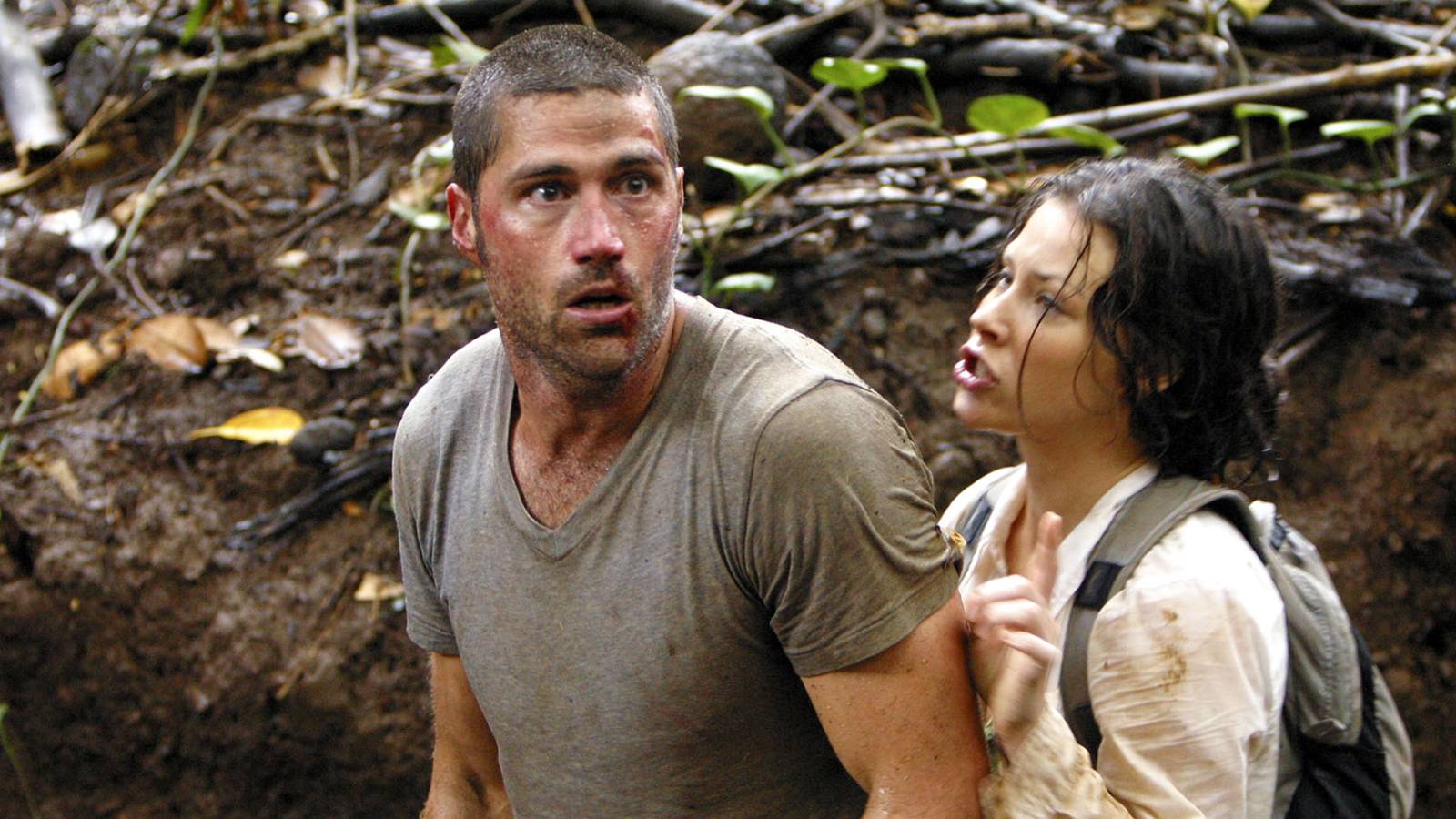
More than two decades after its premiere, Lost remains a landmark in serialized television, with episodes that still set the standard for mystery-box storytelling. But with seasons stretching past 20 episodes, the show inevitably stumbled. No misstep is more infamous than Season 3's Jack-centric hour, "Stranger in a Strange Land," an episode that became a symbol of the series' need for a definitive conclusion.
The episode promised to peel back layers of Jack's past, focusing on his mysterious tattoos and a woman from his pre-island life. Instead, viewers got an awkward detour that offered few satisfying answers and ground the season's momentum to a halt. Even by Lost's notoriously uneven standards, this hour stands out as one of the most frustrating.

Season 3's Rocky Start
The third season faced the daunting task of matching the impact of its predecessors. Season 1 was stellar, and while Season 2 had flaws, its expanding mysteries felt organic. Season 3 opened with promise, introducing the Others' village, but quickly lost its way. The addition of Nikki and Paulo was widely panned, and the unraveling of Ben Linus and the introduction of Juliet felt jarring. The love triangle between Jack, Kate, and Sawyer only added to the sense that the show had lost its footing. The season was split into two parts, with a three-month hiatus after Episode 6.
A Promising Return, Then a Slump
The hiatus seemed to pay off—at first. Two episodes in, we got Juliet's backstory and Desmond's predestination powers, and the show appeared to be back on track. But then came "Stranger in a Strange Land." Promoted as an episode that would solve three mysteries, it instead delivered vague answers and a flashback that did Jack no favors.
Jack's Tattoo Backstory: A Midlife Crisis, Not a Mystery
The episode finds Jack at his most cringeworthy. He meets Achara, a Thai woman, in a clichéd beach encounter involving a kite. Their lack of chemistry is palpable, yet Jack becomes obsessed with her, following her to her tattoo parlor. He forces her to tattoo him, despite her warnings of consequences. The next day, he's beaten by her brother and his friends—a punishment that feels arbitrary and unexplained. The whole subplot was a half-baked attempt to incorporate Fox's real-life tattoos into the story, but it backfired. The translation of the tattoo—"he walks amongst us, but he's not one of us"—could be seen as foreshadowing Jack's fate, but at the time, it felt meaningless.
The Turning Point
While Season 3 eventually found its footing, "Stranger in a Strange Land" proved that stretching a narrative without an endgame is a recipe for disaster. After the episode aired, ABC approved the producers' request to set an end date for the show. That decision allowed Lost to evolve, introducing flash-forwards in Season 4, time travel in Season 5, and flash-sideways in Season 6. Without that constraint, the series might have continued to flounder.
In retrospect, "Stranger in a Strange Land" was a necessary evil. It forced the show to confront its own limitations and ultimately led to a more focused, ambitious final stretch. For fans, it remains a low point, but it's also a reminder that even the best shows can stumble—and sometimes, that stumble is exactly what they need to find their way.
For more on how other shows have navigated similar pitfalls, check out our look at how Buffy changed the internet era or how Alias revolutionized spy TV.