There are few filmmakers who have reshaped horror cinema quite like John Carpenter. Known for visceral, intense imagery, Carpenter's true genius lies in his understanding of human behavior under pressure. His films tap into authentic feelings of dread rooted in paranoia, and no movie exemplifies this better than his 1982 classic The Thing. While it builds on the 1951 film The Thing From Another World, Carpenter's version improves on it in every way. From its opening frames, the film is a masterclass in suspense, but it also hides a clever Easter egg in its first ten minutes that foreshadows the entire story.
The Opening That Tells You Everything
Set in the frozen isolation of Antarctica, The Thing follows a group of American scientists at a remote research station. Their routine is shattered when they spot a Norwegian helicopter from a neighboring base. The pilot, seemingly deranged, detonates himself in the opening moments, leaving the audience with an immediate sense of paranoia. Why would a stranger resort to such violent madness? That question lingers throughout the film.
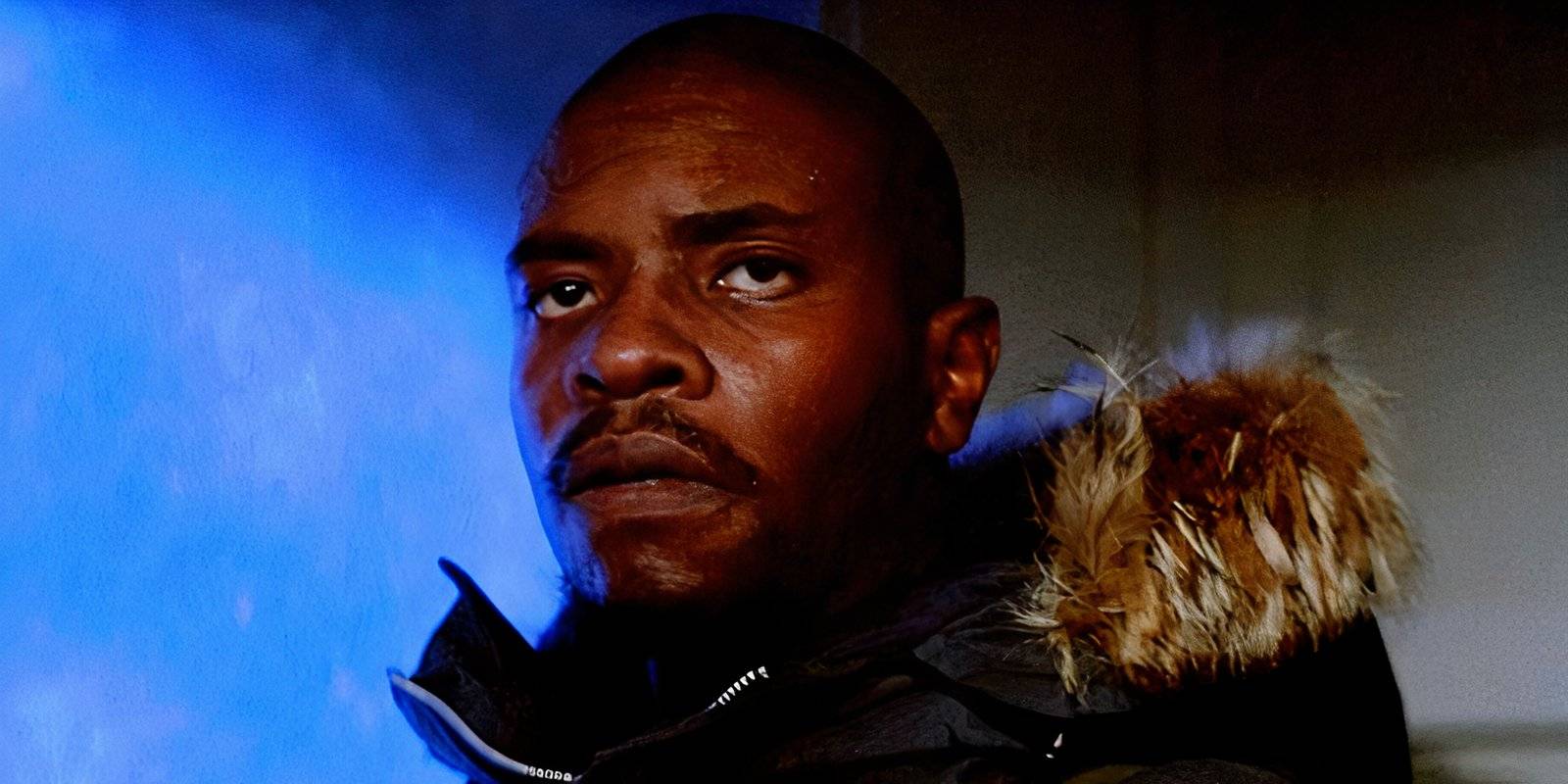
As the Americans—led by R.J. MacReady (Kurt Russell), Childs (Keith David), and Dr. Copper (Richard Dysart)—try to reason with the pilot, they see him chasing a sled dog. The station commander, Garry (Donald Moffat), shoots the pilot in self-defense. But the pilot wasn't attacking; he was warning them. When translated, his words reveal: "That's not a dog" and "get the hell away." The Norwegian team had already encountered the alien threat, and the pilot was trying to prevent the creature from infecting the American base.
The Tragedy of Miscommunication
This opening sequence is more than a hook—it sets up the film's central theme: the perils of miscommunication. The alien creature, known as "the thing," is terrifying not just for its violent strength but for its ability to hide its true form. The characters' inability to identify the threat leads to a breakdown of trust, where even acts of compassion can be misinterpreted as aggression. The Norwegian pilot sacrifices himself to warn strangers, only to be killed by them. It's a cruel irony that underscores the film's tragic arc.
By not providing subtitles for the pilot's lines, Carpenter forces the audience to experience the confusion alongside the characters. This makes MacReady and his team more relatable—they're just responding to the situation as best they can. Russell's performance as MacReady is among his finest, capturing a man trying to maintain sanity in an impossible scenario.
Why Ambiguity Makes It Even Scarier
The film's ending has been debated for decades. The ambiguity of whether MacReady or Childs is infected forces viewers to question the characters they've grown invested in. Neither knows the truth, and their fragile alliance is doomed to dissolve into suspicion. The isolation they face mirrors the Norwegian pilot's fate, creating a cyclical sense of doom. The Thing remains a classic because its open-ended conclusion invites endless interpretation.
For fans of the genre, The Thing is a cornerstone of the horror renaissance that redefined what the genre could achieve. It's a film that rewards repeated viewings, revealing new layers of paranoia and dread each time. If you haven't seen it, prepare for a journey into one of cinema's most chilling explorations of trust and survival.
John Carpenter's The Thing is a testament to the power of subtle storytelling. Its opening scene, often overlooked, is a masterstroke that sets the stage for a tale of paranoia, sacrifice, and the terrifying unknown. For those who appreciate quick sci-fi gems or the best of fantasy and horror, this film is essential viewing.