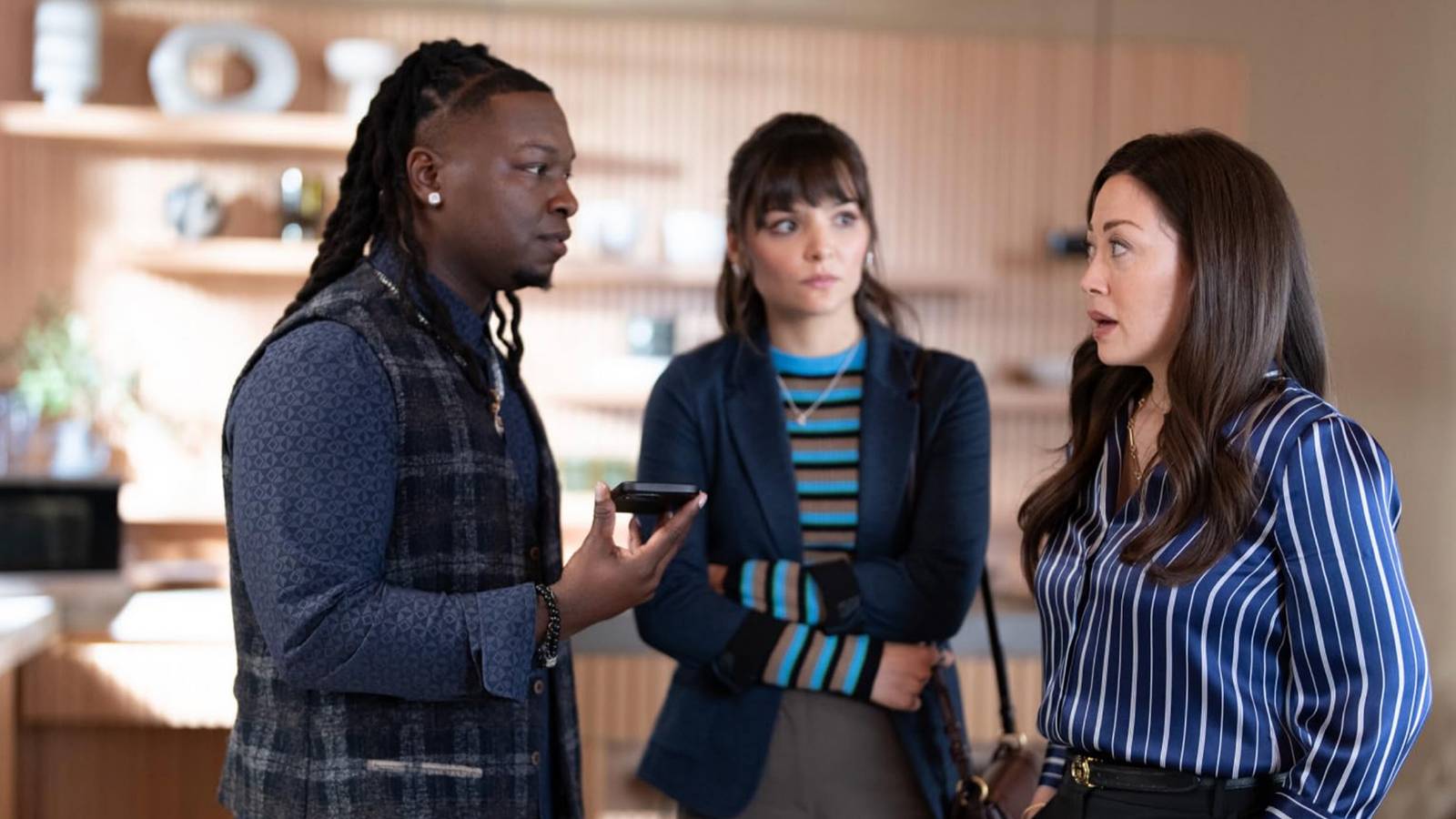
Some stories are so sacred that touching them feels like a crime. Alan Moore and Dave Gibbons' Watchmen is one such tale—a graphic novel that reshaped comics and remains a benchmark for the medium. So when HBO announced a series based on it, fans braced for disappointment. Yet, what Damon Lindelof delivered in 2019 wasn't just a faithful retread; it was a daring reinvention that broke every rule in the book, and in doing so, became a masterpiece in its own right.
Rather than adapting the original narrative beat-for-beat, Lindelof's Watchmen acts as a loose sequel, set decades later in a world still grappling with the fallout of the comic's events. The story unfolds non-linearly, jumping between past and present, almost as if time itself were as malleable as Doctor Manhattan's perception. The central plot, however, is grounded in Tulsa, Oklahoma, in 2019, where detective Angela Abar (Regina King) discovers her boss, Chief Judd Crawford (Don Johnson), dead—hanging from a tree, with an elderly Black man (Louis Gossett Jr.) claiming responsibility. This grim opening spirals into a conspiracy involving the white supremacist group 7th Kavalry, forcing Angela to confront both a personal and societal reckoning.
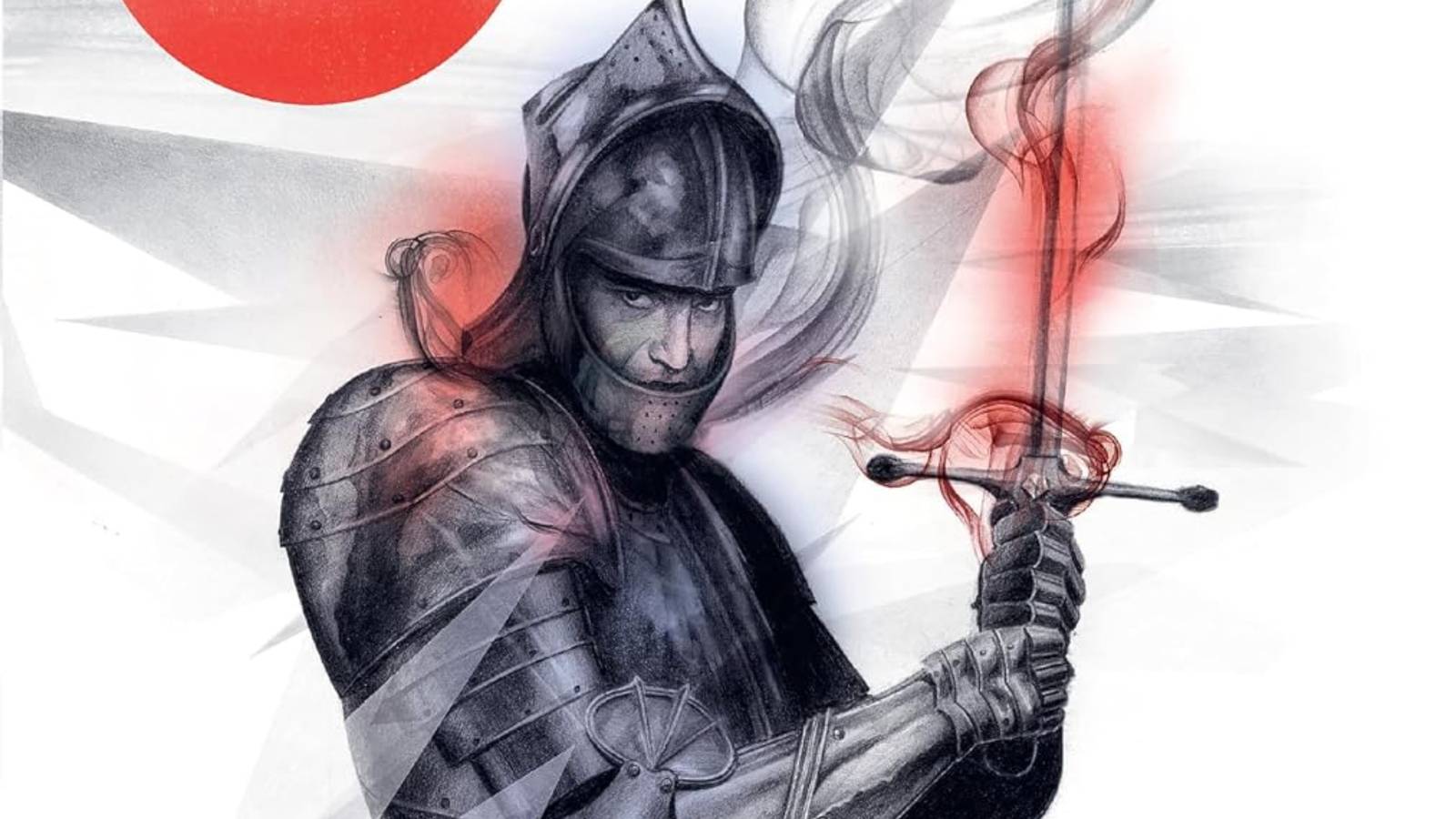
The world-building is a seamless extension of the graphic novel's alternate history. Masked vigilantism remains outlawed, but the 7th Kavalry's actions push Oklahoma to reconsider, allowing police to don masks for protection. Meanwhile, interdimensional squid rain down sporadically, and after Richard Nixon's five terms, Robert Redford's presidency brings prosperity—but also simmering racial tensions. This isn't just a backdrop; it's a mirror held up to our own society, reflecting issues of systemic injustice and prejudice with unflinching clarity.
What truly sets Watchmen apart is its approach to familiar elements. Lindelof described it as a "remix," and that's apt. Characters like Doctor Manhattan (Yahya Abdul-Mateen II), Adrian Veidt (Jeremy Irons), and Laurie Blake (Jean Smart) return, but they've evolved in unexpected ways, their arcs intersecting with new players in surprising fashion. The non-linear structure allows these interactions to ripple through time, creating a narrative tapestry that feels both fresh and reverent.
Yet, the show's original characters are its beating heart. Angela Abar, aka Sister Night, is a complex heroine whose journey anchors the series. Alongside her are memorable figures like Looking Glass (Tim Blake Nelson) and Lady Trieu (Hong Chau), whose stories culminate in standout episodes such as "A God Walks Into Abar"—a near-perfect hour of television that showcases the series' ambition and emotional depth.
Unsurprisingly, this bold reimagining sparked backlash. Some viewers objected to its unapologetic exploration of racial issues, while Moore himself dismissed it as "an embarrassment." Yet, just as the original comic challenged readers to think critically about their world, the HBO series did the same for a modern audience. Despite review-bombing, it earned a stellar 96% on Rotten Tomatoes, cementing its status as a critical darling.
In the end, Watchmen isn't Moore's story—it's something new, and that's precisely its strength. As the series itself reminds us, "nothing ever ends," and by remixing a classic, it ensures the tale remains relevant and timeless. For those who haven't experienced it, Watchmen is available to stream on HBO Max, offering a viewing experience that's as thought-provoking as it is entertaining.
For more on how other shows have defied expectations, check out our take on Slow Horses' formula shake-up or explore Babylon 5's influence on peak TV. And if you're in the mood for more miniseries magic, don't miss our list of must-watch miniseries for fall 2026.