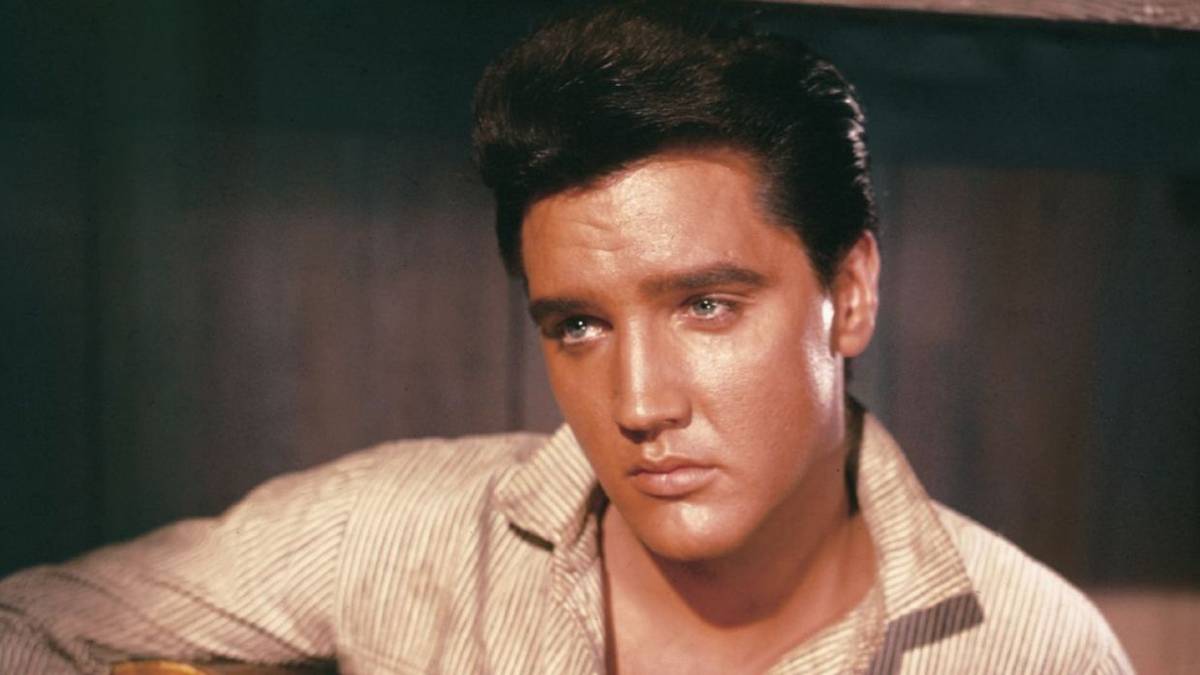
Music history is filled with artists who faced backlash for pushing boundaries. From The Beatles being labeled anti-American to modern stars like Bad Bunny drawing fire for his lyrics, controversy often walks hand-in-hand with innovation. Long before he became an emblem of American tradition, a young Elvis Presley found himself at the center of a cultural earthquake, all thanks to a single, swiveling performance of a song called "Hound Dog."
The Rise of a Rockabilly Pioneer
Before the storm, Elvis was steadily building a name. Starting in 1953, he fused his love for blues, country, and gospel into a new, electrifying sound that defied easy labels—later dubbed rockabilly. With early covers like "That's All Right" and "Blue Moon of Kentucky," his raw vocal style and energetic presence captivated audiences. He was already known as "The Hillbilly Cat," charming fans with his "rubber legs" dance moves during instrumental breaks. But 1956 would change everything, transforming him from a rising star into a full-blown, and fiercely debated, icon.
The Performance That Shocked a Nation
The catalyst was a televised appearance on The Milton Berle Show on April 3, 1956. Inspired by Big Mama Thornton's original 1952 recording, Elvis decided to perform "Hound Dog." In a calculated move, he set his guitar aside, focusing all attention on his physical performance. What followed—a series of grinding hip thrusts and sensual, slow-burn choreography—sent shockwaves through living rooms across America.
Newspapers, critics, and even FBI director J. Edgar Hoover denounced the act as a threat to public morality. The New York Times and Daily News published scathing reviews. Yet, in a defining moment of rebellion, Elvis performed the song again just two days later, unchanged and unapologetic. The lyrics, originally a biting rebuke, were reinterpreted through his performance into an anthem of youthful defiance and sexuality, cementing his status as rock's first true sex symbol.
Controversy Fuels Record-Breaking Success
Far from derailing his career, the scandal supercharged it. Public outcry became free publicity, and Presley's single of "Hound Dog" flew off the shelves. It sold over four million copies and lodged itself at the top of the Billboard charts for an astonishing 11 consecutive weeks—a record that stood unchallenged until Boyz II Men's "End of the Road" in 1992. The very forces that sought to condemn him instead crowned him the undisputed King of Rock and Roll.
The legacy of "Hound Dog" is complex. Today, it's rightly examined through the lens of musical appropriation, as Elvis's cover overshadowed Big Mama Thornton's pioneering original, highlighting the unequal treatment of Black artists in the industry. Yet, the song's power endures. Like many timeless classics, its story is part of its appeal. Each generation rediscoveres it, and the debate around it only reinforces its place in the cultural firmament.
Elvis's journey from scandalous rebel to beloved icon mirrors the path of many art forms initially met with resistance. Just as some forgotten classics await rediscovery, "Hound Dog" reminds us that today's outrage can become tomorrow's treasured history. The performance that horrified 1950s America now stands as a seminal moment in music, proving that sometimes, the quickest route to number one is through the heart of a controversy.