Denis Villeneuve's Dune: Part Two is packed with jaw-dropping moments, but one scene quietly steals the show: the Gom Jabbar test administered to Feyd-Rautha Harkonnen (Austin Butler) by Lady Margot Fenring (Léa Seydoux). While the first film introduced this ritual with Paul Atreides, this version flips the script entirely. It's not about testing worthiness—it's about control, breeding, and the Bene Gesserit's centuries-old chess game.
A Predator Becomes Prey
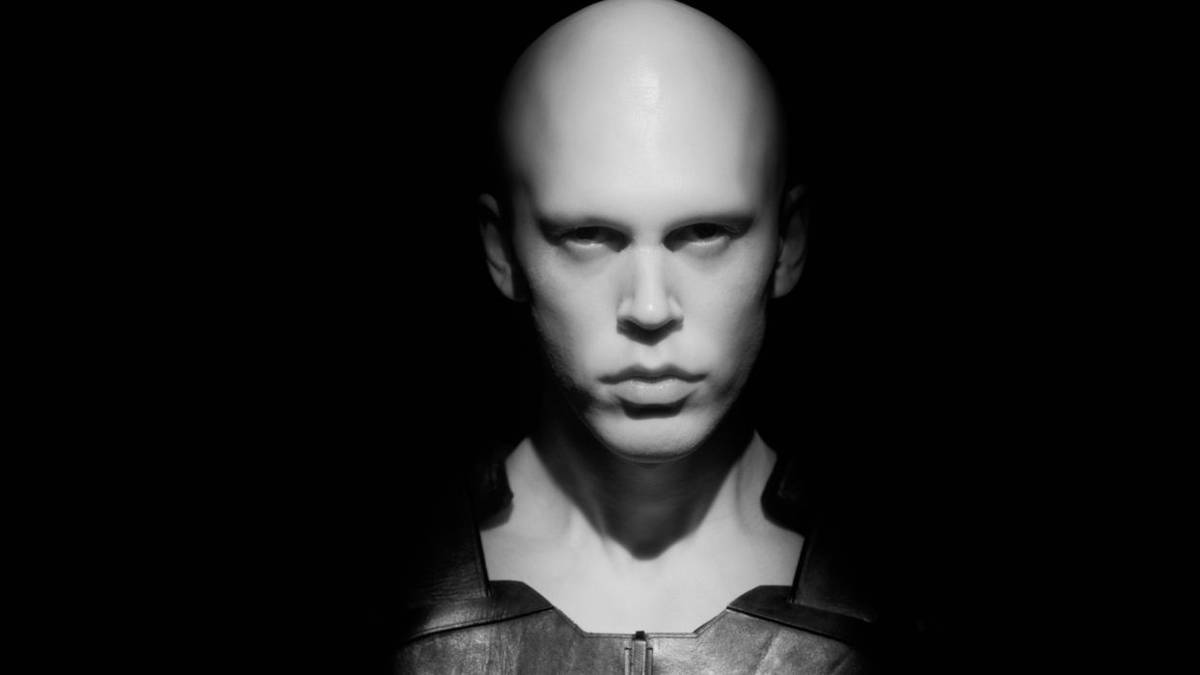
Feyd-Rautha's introduction is pure spectacle: a gladiator arena bathed in the black-and-white light of Giedi Prime's sun, where he slaughters opponents with gleeful brutality. But the moment he leaves the arena, the power dynamic shifts. Lady Margot follows him through the Harkonnen castle, and when he threatens her with a knife, she effortlessly turns the tables. Without using the Voice, she leads him to her chambers, where she commands him to kneel and place his hand on the box—a Gom Jabbar needle poised at his throat.
This is not the test of character Paul faced. Feyd-Rautha passes, but he's left utterly dominated, his psychopathic bravado stripped away. The scene reveals the Bene Gesserit's true strength: they don't need force when they can exploit weakness. Lady Margot later reports to Reverend Mother Mohiam (Charlotte Rampling) that she has secured Feyd-Rautha's bloodline by conceiving a daughter—a move that ensures the Sisterhood's influence endures.
Why the Bene Gesserit Need Feyd-Rautha
The Sisterhood's grand plan is unraveling. Paul Atreides has survived and is rallying the Fremen, threatening the spice trade and the Empire's power structure. The Bene Gesserit have spent millennia positioning themselves as shadow rulers, advising emperors and manipulating noble houses. But Paul is a wild card—a product of their own failed scheme to breed the Kwisatz Haderach. Now they need a counterweight.
Feyd-Rautha is that counterweight. He's a brutal, unstable heir, but he's also a Harkonnen—a bloodline the Bene Gesserit have cultivated for generations. By testing him and impregnating Lady Margot, they ensure they have a pawn who can challenge Paul. It's a cold, calculated move that underscores the Sisterhood's ruthless pragmatism. As Reverend Mother Mohiam admits in the film, she convinced the Emperor to destroy House Atreides—a departure from the novel that highlights how far the Bene Gesserit will go to maintain control.
A Scene That Defines the Film's Themes
This Gom Jabbar sequence is more than just a callback to the first movie. It's a masterclass in visual storytelling, contrasting the stark, industrial world of Giedi Prime with the intimate, psychological battle between Lady Margot and Feyd-Rautha. The scene echoes the power dynamics explored in other recent sci-fi hits, like The Boys' exploration of manipulation and control. But here, the stakes are galactic: the future of the Imperium hangs on whether the Bene Gesserit can keep their puppets in line.
For fans of the franchise, this moment deepens the lore while delivering a satisfying twist. Feyd-Rautha, who murdered his own mother, is reduced to a trembling subject—a reminder that even the most monstrous figures have masters. It's a scene that rewards repeat viewings and cements Dune: Part Two as a triumph of ambitious storytelling.