When AMC's Interview with the Vampire wrapped its adaptation of Anne Rice's novel, the series needed a reinvention. That transformation came with a new title—The Vampire Lestat—and a shift in focus to the charismatic vampire's rockstar ambitions. For composer Daniel Hart, that meant a dramatic expansion of his role, moving from scoring the first two seasons to becoming a key creative force behind the music.
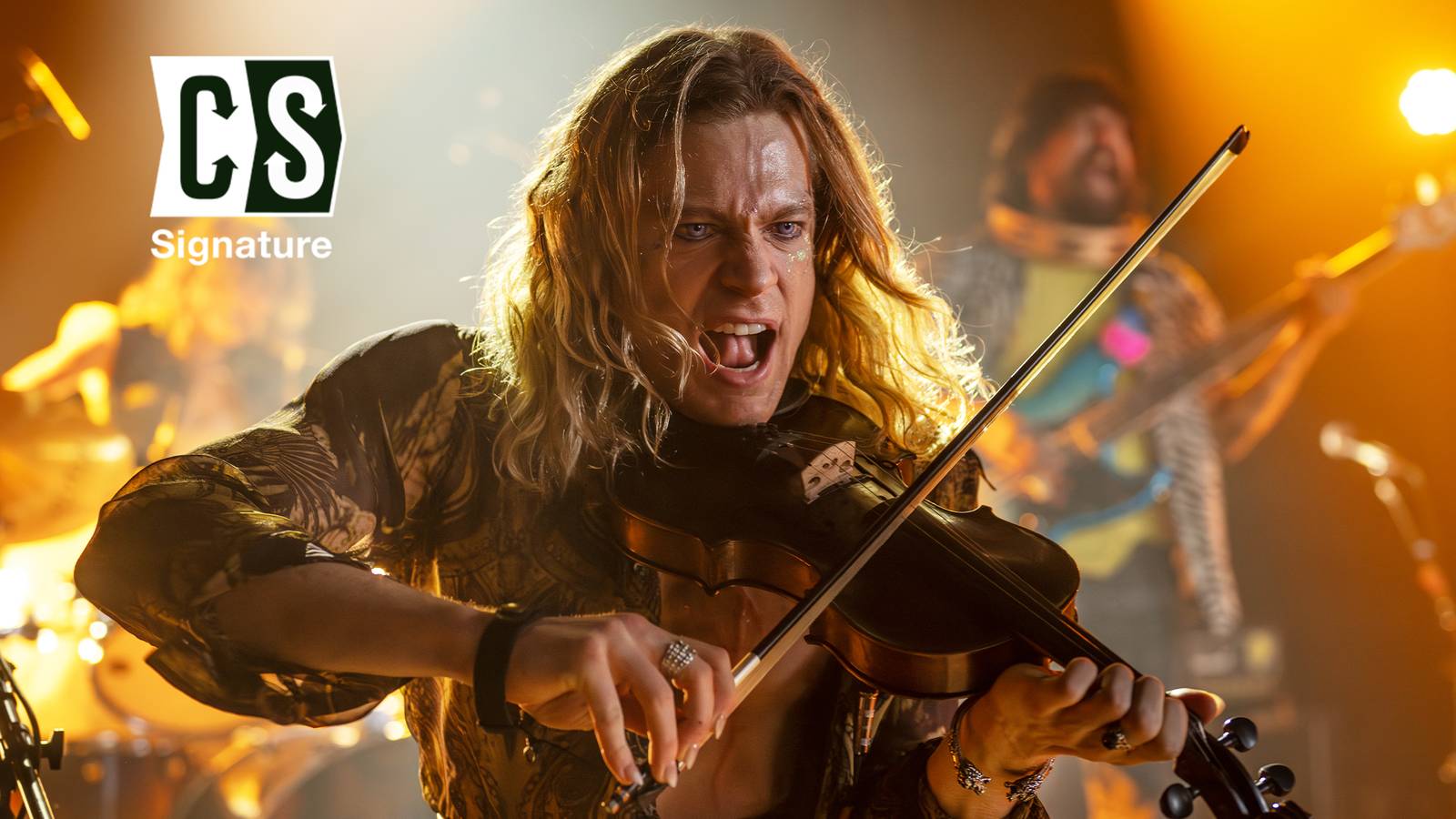
"Season 2 is the most music I've ever written for any project," Hart admits. "But Season 3 eclipses that two or three times over." The reason? Lestat, played by Sam Reid, decides to launch a music career, requiring a catalog of songs that explore his fractured psyche, his relationships, and his need to perform. Hart's workload skyrocketed, and he found himself writing lyrics for the first time in a major way.
From Score to Song: A New Creative Process
Hart's approach to songwriting evolved significantly for this project. "When I started writing songs as a teen, it was always music first. I wasn't a strong lyricist," he says. But over the last decade, he found his voice. "I'm glad I didn't have to write these vampire songs 10 years ago—I wouldn't have liked them."
For The Vampire Lestat, Hart wrote every song with Reid's voice in mind. "He's a baritone, and I'm between baritone and tenor, so we adjusted keys to keep his voice comfortable," Hart explains. The collaboration went beyond vocal range. "We had a lot of conversations about lyrics because nobody knows this version of Lestat better than Sam now."
A Bigger Role Behind the Scenes
Series creator Rolin Jones approached Hart about expanding his role near the end of Season 2. "I studied playwriting in school, so when Rolin asked if I'd write for the show, I jumped at the chance," Hart says. He joined the writers' room, co-wrote an episode, and contributed to every episode except one. "I found something I wrote in every episode. It was a monster heap of work."
Hart's duties also included serving as a co-producer on set in Toronto. "It required different sides of my brain—writing, producing, scoring. I'm exhausted," he laughs. The result is a season packed with emotionally charged performances that push Lestat's story forward.
What This Means for Fans
For viewers, the music of The Vampire Lestat isn't just background—it's a narrative engine. Hart's songs reveal Lestat's inner turmoil and his relationships, making the rockstar persona feel authentic. "The songs had to encapsulate his fracturing psyche and everything he wants to get off his chest in front of a live audience," Hart says.
Fans of the series can expect a deeper dive into Lestat's world through music. For more on the show's shocking moments, check out Delainey Hayles on That Shocking 'Vampire Lestat' Finale Scene That Changes Everything. And if you're craving more undead entertainment, browse our list of Top 6 Vampire Movies Since 2020.
Hart's journey from composer to songwriter and co-writer marks a bold new chapter for the series. As he puts it, "I feel lucky someone gave me the opportunity to do more of what I love, especially on something I already know so well."