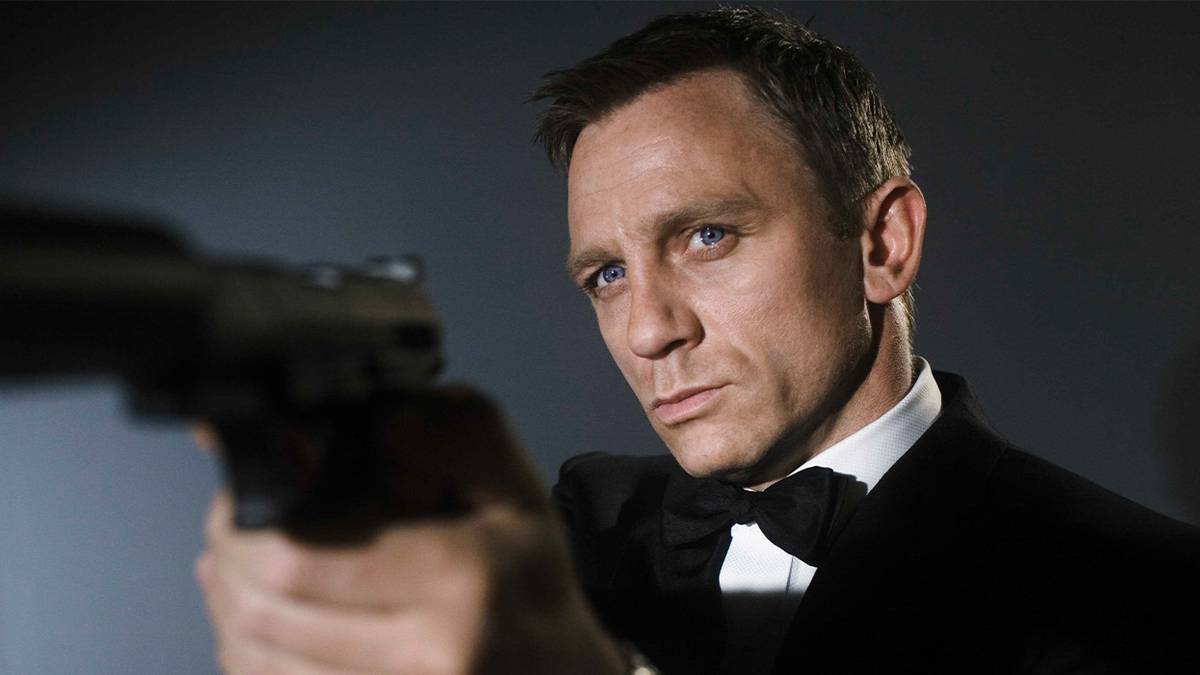
As the James Bond franchise gears up for yet another reboot, it's the perfect moment to look back at the last one—and the clever way it connected to the series' storied past. In just three months, Casino Royale celebrates its 20th anniversary, having hit theaters on November 14, 2006. That film introduced Daniel Craig as the new big-screen 007, adapting Ian Fleming's original novel and giving the character a fresh, gritty start. Craig's debut was a game-changer, but no Bond performance feels complete until the actor delivers that iconic self-introduction first spoken by Sean Connery in Dr. No. Craig's version didn't just say the line—he made it mean something entirely new.
A Return to Bond's Roots
Casino Royale was a much-needed reset for the franchise. Pierce Brosnan had brought charm to the role, but by his final outing, Die Another Day, the series had drifted into over-the-top, self-parodying territory. By going back to Fleming's debut novel, the filmmakers grounded Bond in a more realistic spy-thriller world. The previous films had turned 007 into something close to a comic-book hero, with outlandish gadgets and villains. But Fleming's original creation was far more human—a man who kills for a living and lives with the consequences.
Fleming famously described Bond as "an anonymous, blunt instrument wielded by a government department." That idea is echoed in Casino Royale when M (Judi Dench) scolds Bond after he storms an embassy and kills a wanted operative. Craig's Bond isn't a superhero; he's a morally ambiguous assassin. The film digs into what that job does to a person's soul, offering a depth we hadn't seen before.
An Origin Story Like No Other
The movie opens with a striking black-and-white sequence showing Bond earning his license to kill—a moment never before depicted on screen. From there, Casino Royale plays with audience expectations. We see Bond in his tuxedo for the first time, and when a waiter asks if he wants his martini shaken or stirred, he replies, "Does it look like I give a damn?!" It's a clear signal that this is a different kind of 007.
The real payoff comes at the end. After the death of Vesper Lynd (Eva Green), Bond tracks down Mr. White (Jesper Christensen), a member of the criminal organization QUANTUM. He shoots White in the leg and, for the first time, delivers the line: "The name's Bond. James Bond." The classic Bond theme swells as the screen cuts to black. It's a triumphant moment that completes Craig's transformation into the iconic spy.
A Bittersweet Victory
That final scene is thrilling, but it's also tinged with sadness. Bond had tried to leave the spy life behind for Vesper, only to discover she was a double agent. Her betrayal and death harden him, pushing him back into the field. The ending shows that Bond can never truly find peace or happiness—his destiny is to be MI-6's blunt instrument. Yet for the audience, it's a moment of pure cinematic magic: Daniel Craig has fully become James Bond, and a legend is reborn.
As we await the next reboot, it's worth remembering how Casino Royale set the standard. It proved that Bond could evolve while staying true to his roots. And that final line—delivered with cold precision—remains one of the most iconic moments in the franchise's history. For more on Bond's legacy, check out this recent Bond-related news and other flawless series.