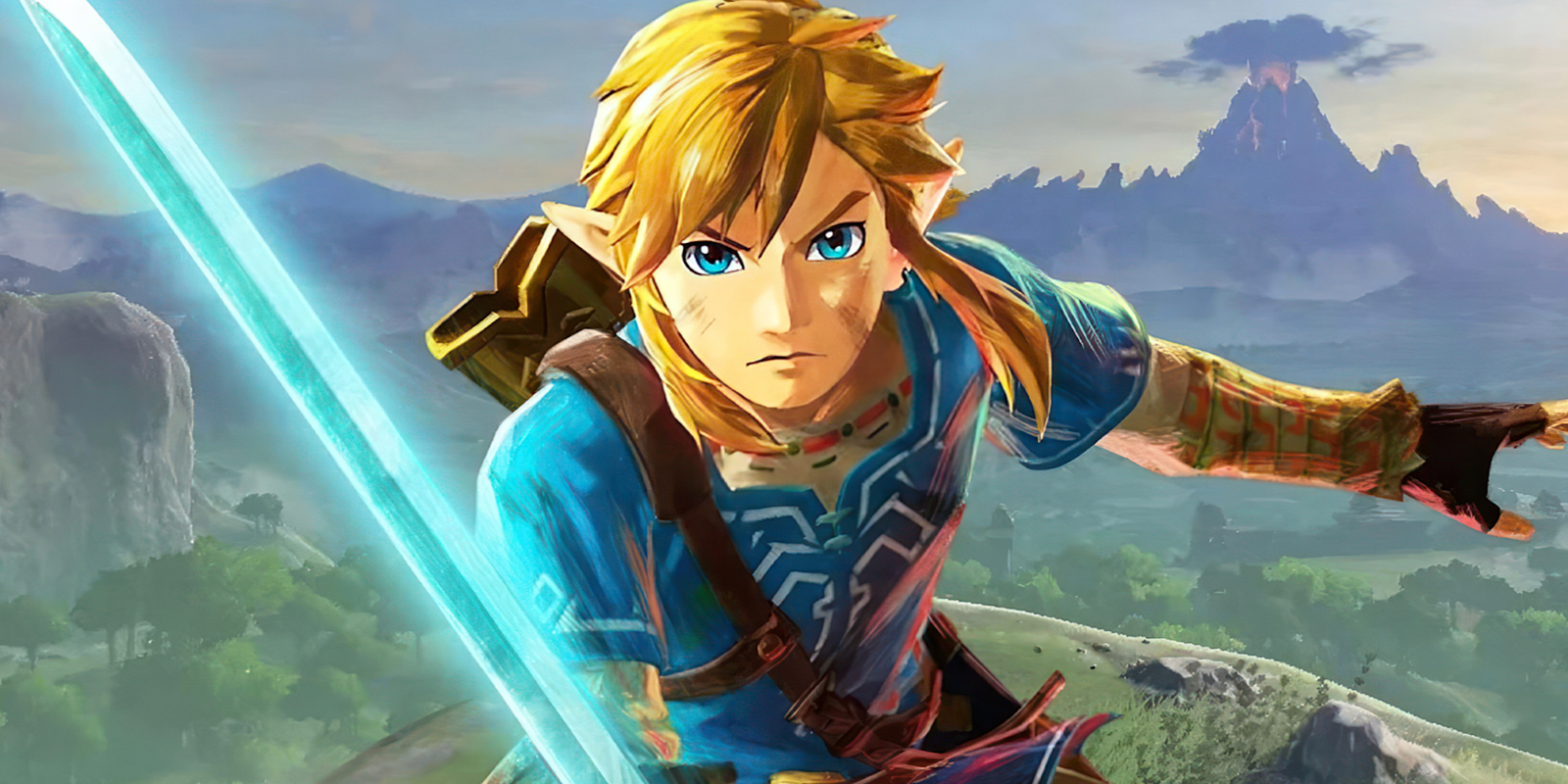
As The Legend of Zelda celebrates its 40th anniversary, the conversation inevitably turns to which installment left the deepest mark. While many point to the beloved Ocarina of Time as the series' crowning achievement, Breath of the Wild has emerged as the true game-changer of the modern era—arguably matching, if not surpassing, the revolutionary impact of its N64 predecessor.
When Ocarina of Time launched in 1998, it didn't just set a new standard for 3D adventure; it redefined how players interacted with virtual worlds. Its lock-on targeting, contextual action buttons, and cinematic camera work became the blueprint for countless action games that followed. The game's time-travel narrative and emotional depth also proved that video games could tell stories as compelling as any film or novel.
Fast-forward nearly two decades, and Breath of the Wild accomplished something equally audacious. It tore down the conventions that Ocarina had helped establish, replacing linear progression with a vast, physics-driven sandbox where curiosity and experimentation reign supreme. The result was a game that felt both timeless and utterly fresh, earning universal acclaim and redefining what an open-world adventure could be.
What makes Breath of the Wild so significant is not just its technical achievements, but its philosophical shift. It trusts players to forge their own path, offering no hand-holding and rewarding creative problem-solving. This approach resonated deeply with a generation of gamers who had grown tired of formulaic quests and checklists, and it has since influenced countless titles across the industry.
The game's impact is also evident in how it revitalized the franchise. After years of more linear entries, Breath of the Wild brought a sense of wonder and discovery that harkened back to the original NES classic, while pushing the series boldly forward. Its success paved the way for the equally ambitious Tears of the Kingdom, which built upon its foundation with even more inventive mechanics.
As Nintendo celebrates four decades of Hyrule, it's clear that Breath of the Wild stands alongside Ocarina of Time as a watershed moment in gaming history. Both games didn't just advance their franchise; they transformed the medium itself. And with the anniversary celebrations underway, fans are reminded of just how far the series has come—and how these two masterpieces continue to shape the future of interactive entertainment.
Whether you're a veteran who grew up with the N64 classic or a newcomer who discovered Hyrule through the Switch, there's no denying the profound legacy of these two titans. They represent not just milestones in the Zelda series, but benchmarks for the entire gaming industry. As we look ahead to the next 40 years, one thing is certain: the spirit of adventure that Ocarina of Time and Breath of the Wild captured will continue to inspire developers and players alike.