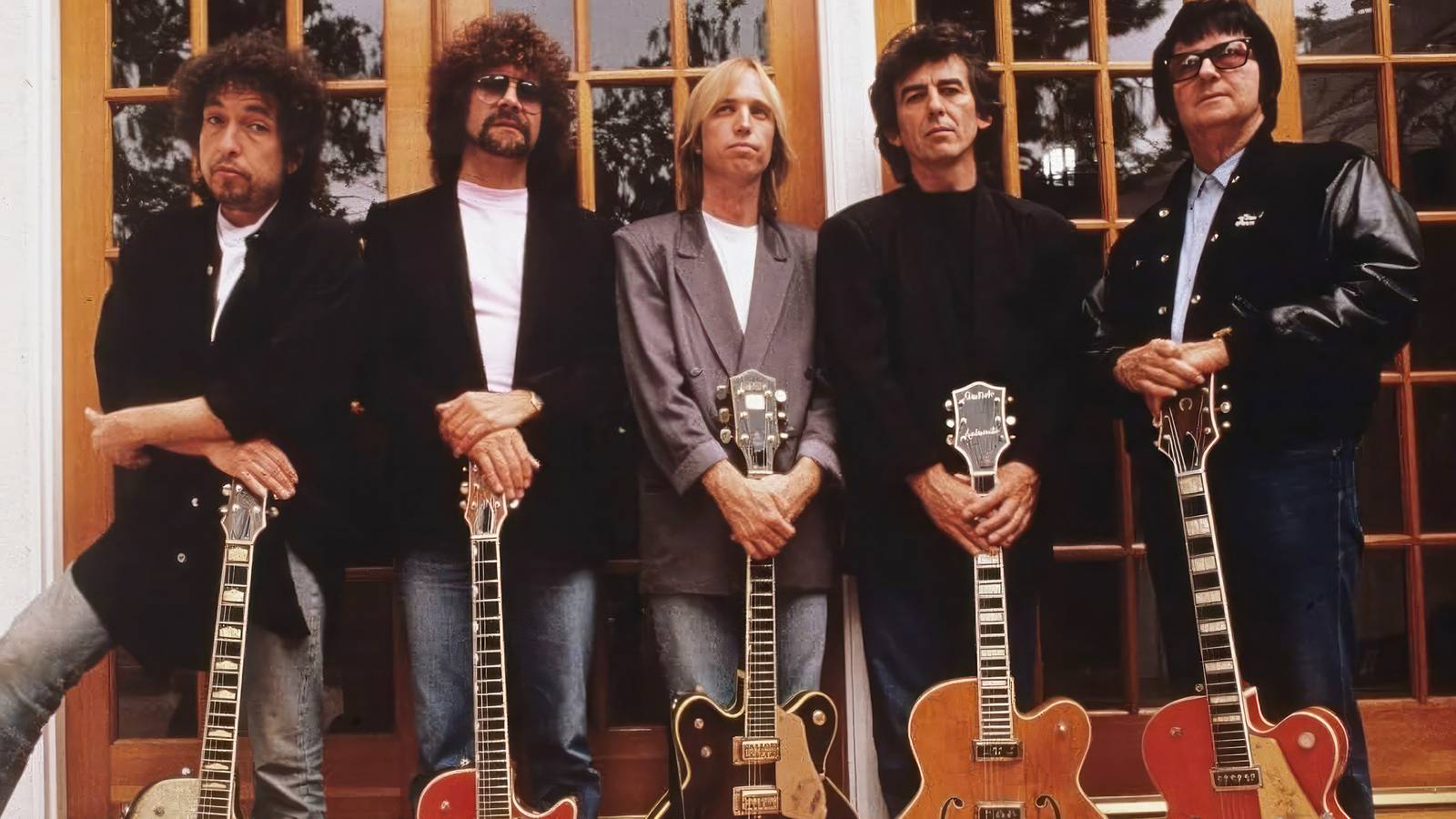
Some of the greatest moments in music history happen by pure accident. In 1988, five of the most iconic names in rock came together in Bob Dylan's garage, and the result was nothing short of legendary. The Traveling Wilburys—Bob Dylan, George Harrison, Tom Petty, Roy Orbison, and Jeff Lynne—formed a supergroup that still stands as the gold standard for collaborative genius. But how did these titans of music end up in the same room, let alone creating an entire album together?
It All Started with a B-Side
The spark came from George Harrison, who needed a B-side track for his solo album Cloud Nine. He was having dinner in Los Angeles with Jeff Lynne (of Electric Light Orchestra fame) and Roy Orbison, and asked Lynne to help with the recording. Orbison was invited along for the ride. But there was a hitch: no recording studios were available at such short notice. Harrison remembered that his friend Bob Dylan had a home studio in his Malibu garage. A quick phone call later, Dylan not only offered his space but decided to join the session.
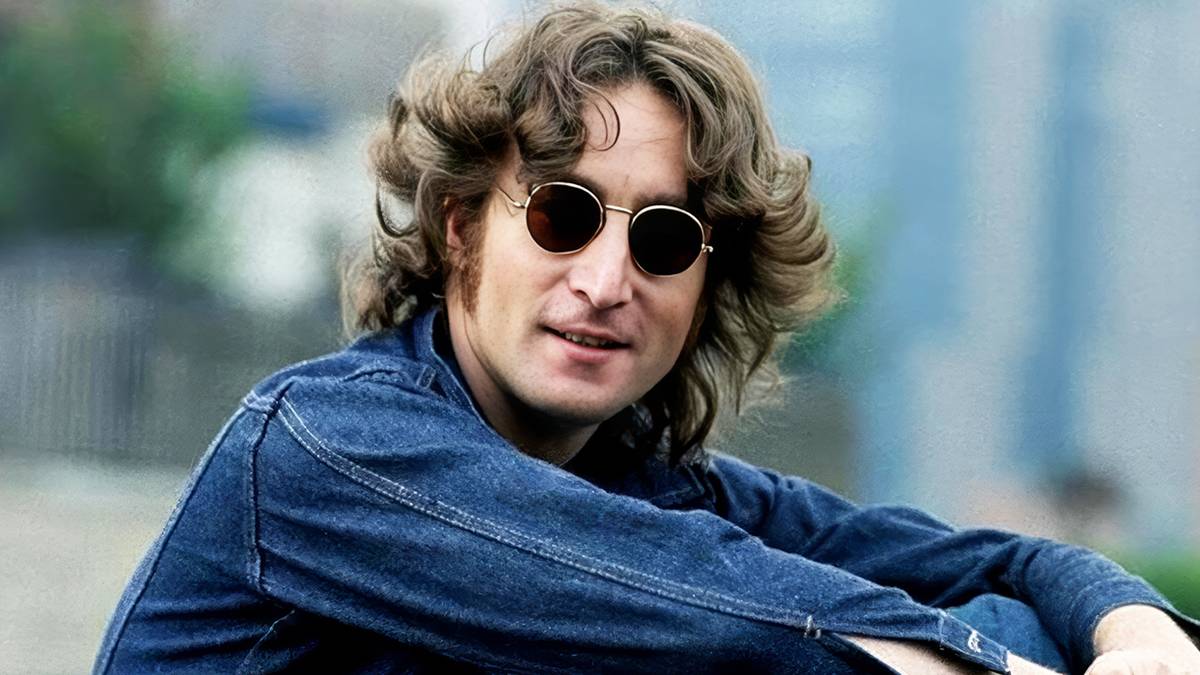
On the way to Dylan's, Harrison realized he'd left his favorite guitar at Tom Petty's house, where he stored instruments while in LA. They made a detour, and naturally, they invited Petty to come along. In a matter of hours, five rock legends were jamming together in Dylan's garage. The chemistry was instant.
A Supergroup Is Born
The group quickly recorded a song called "Handle With Care," named after a label on a box in the garage. When Harrison played it for Warner Bros. executives, they were blown away. The track was too good to be a mere B-side. Harrison and Lynne proposed forming a full band with everyone who'd worked on the song. Petty and Dylan agreed immediately. That night, Harrison, Orbison, and Petty attended Orbison's show in Anaheim and asked him in the green room—he said yes. The Traveling Wilburys were complete.
The odds of all five musicians having the time and desire to commit to a new project were slim, but everything fell into place with surprising ease. They had just nine days to record nine more songs for their debut album, working around Orbison and Dylan's tour schedules. The sessions moved to producer Dave Stewart's home studio, where the five sat in his kitchen each morning, acoustic guitars in hand, writing collaboratively. Every member contributed to lyrics and music, bouncing ideas until the songs took shape. They finished the album in a week and a half.
The Name Game
The band's name came from a slang term Harrison used for faulty recording equipment. When a technical glitch arose, he'd say, "We'll bury 'em in the mix," which got shortened to "Wilbury." The group, bonded over their love of comedy (especially Monty Python), took the joke further. They posed as a band of traveling half-brothers, each with a pseudonym and the shared last name Wilbury. They even enlisted Monty Python's Michael Palin to write the fictional family history in the album's liner notes.
The Legacy Lives On
The Traveling Wilburys' debut album, The Traveling Wilburys, Vol. 1, was released in October 1988 under their own label, Wilbury Records. It was a massive success, revitalizing each member's career and earning a Grammy for Best Rock Performance by a Duo or Group in 1990. Tragically, Roy Orbison passed away just months after the album's release. The remaining members paid tribute with the music video for "End of the Line," featuring Orbison's guitar in an empty rocking chair. The group released a second album, Vol. 3, in 1990, but the magic of that first accidental session remains unmatched.
The Traveling Wilburys proved that sometimes the best things in music happen when you least expect them. For fans of rock history, their story is a reminder of the power of spontaneity and friendship. If you're looking for more legendary collaborations, check out our ranking of Netflix's best original series or dive into why 'Children of Men' still reigns as the ultimate dystopian sci-fi film.