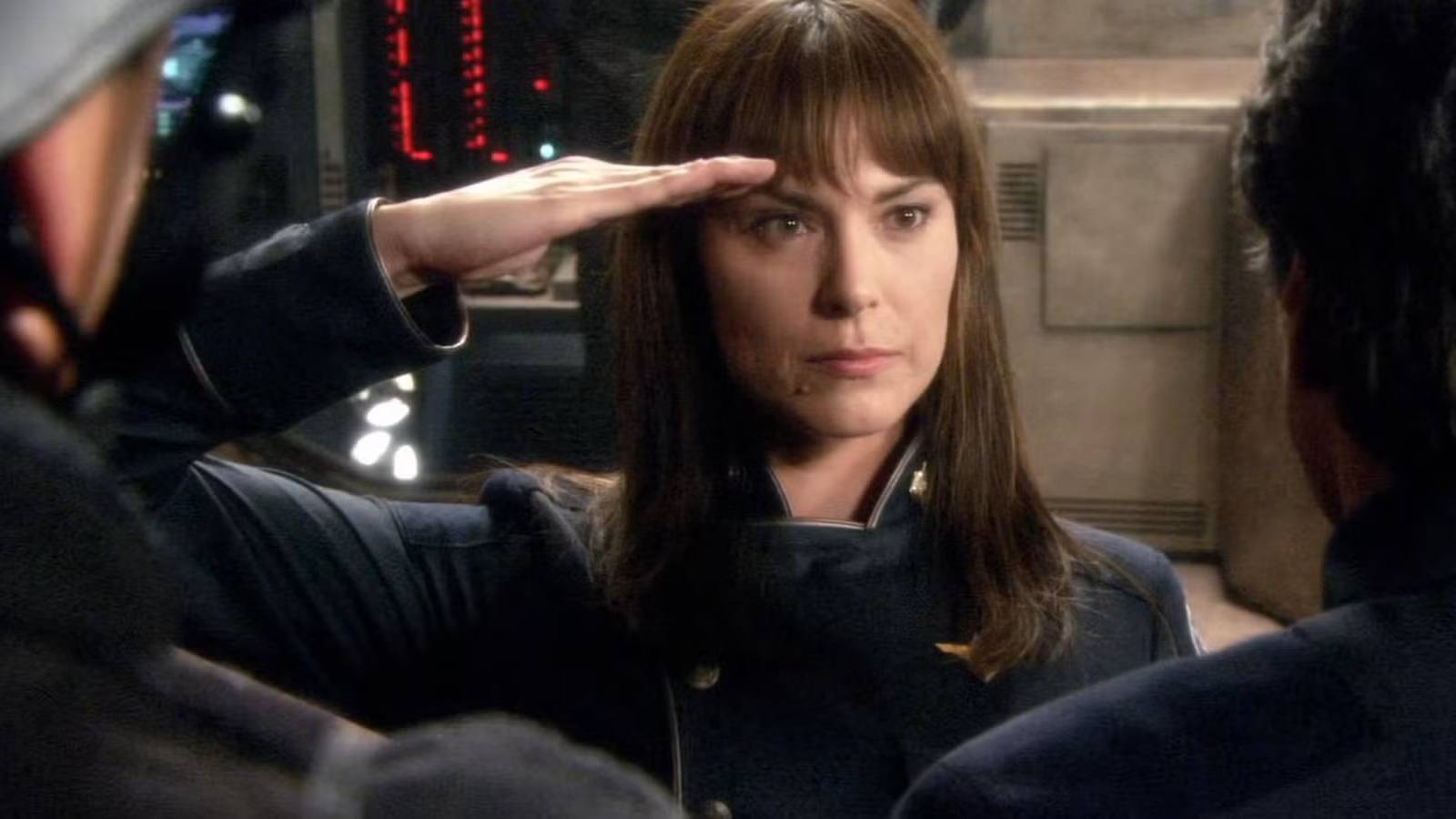
When it comes to science fiction on television, Black Mirror often gets the crown for its chilling tech-driven tales. But for all its clever twists, the anthology format limits how deep it can go. Enter Battlestar Galactica, a series that didn't just dabble in speculative futures—it built a whole world and then set it on fire. And it did it all in one breathtaking episode: “33.”
A Reboot That Redefined the Genre
The original Battlestar Galactica was a Star Wars knockoff, so much so that George Lucas sued. But the 2004 reboot, spearheaded by Ronald D. Moore, turned that cheesy premise into a gritty, political powerhouse. After a devastating Cylon attack wipes out most of humanity, the survivors flee in a ragtag fleet, hunted by their own robotic creations. The show didn't just ask “what if?”—it asked “what now?”
The debut episode “33” wastes no time. The fleet must jump every 33 minutes to evade the Cylons, and the tension is suffocating. It’s not about flashy tech; it’s about exhaustion, paranoia, and the impossible choices of leadership. This is sci-fi at its most human, and it’s why Battlestar Galactica remains a benchmark for the genre.
Political Sci-Fi for a Post-9/11 World
Unlike Black Mirror, which often feels like a series of cautionary tales, Battlestar Galactica built a sustained narrative about democracy under siege. The show aired after 9/11, and it captured the anxiety of a nation at war. The clash between military commander Admiral Adama (Edward James Olmos) and President Laura Roslin (Mary McDonnell) mirrored real debates about security vs. liberty. The show didn't shy away from hot-button issues like torture, religious extremism, and the prison-industrial complex.
This depth is what sets Battlestar Galactica apart. It’s not just a space opera; it’s a political drama that uses its sci-fi setting to explore timeless questions. For fans of masterful storytelling, it’s a must-watch—much like the Hulu miniseries where every single episode is a flawless masterpiece.
Characters You Can’t Forget
The ensemble cast is extraordinary. Katee Sackhoff’s Starbuck is a hotshot pilot with a rebellious streak, while James Callis’s Dr. Gaius Baltar is a brilliant but morally compromised scientist. Baltar’s arc is one of the most complex in TV history—he’s neither hero nor villain, just a man caught between ambition and fear. The show’s refusal to paint characters in black and white makes every conflict feel real.
Even the Cylons are more than just robots. They’re humanoid, capable of love and betrayal, and their infiltration of the fleet adds a layer of paranoia that keeps viewers on edge. This emotional complexity is why Battlestar Galactica resonates beyond the sci-fi niche. It’s as much a character study as it is a thriller.
Why “33” Stands Alone
“33” is a masterclass in pacing and stakes. In just 44 minutes, it establishes the fleet’s desperation, the moral dilemmas of leadership, and the constant threat of annihilation. It’s an episode that works as a standalone story, but it also sets up the series’ larger themes. No Black Mirror episode has ever achieved that level of world-building in a single hour.
For those who think sci-fi is just about lasers and aliens, Battlestar Galactica proves otherwise. It’s a show that demands you think, feel, and question. And it all starts with “33.” If you’re looking for a series that hooks you from the first minute, this is it—much like the 5 drama masterpieces that hooked you in the first 10 minutes.
In the end, Battlestar Galactica isn’t just a great sci-fi show; it’s one of the greatest TV dramas ever made. It beat Black Mirror at its own game by proving that the best science fiction isn’t about the future—it’s about us.