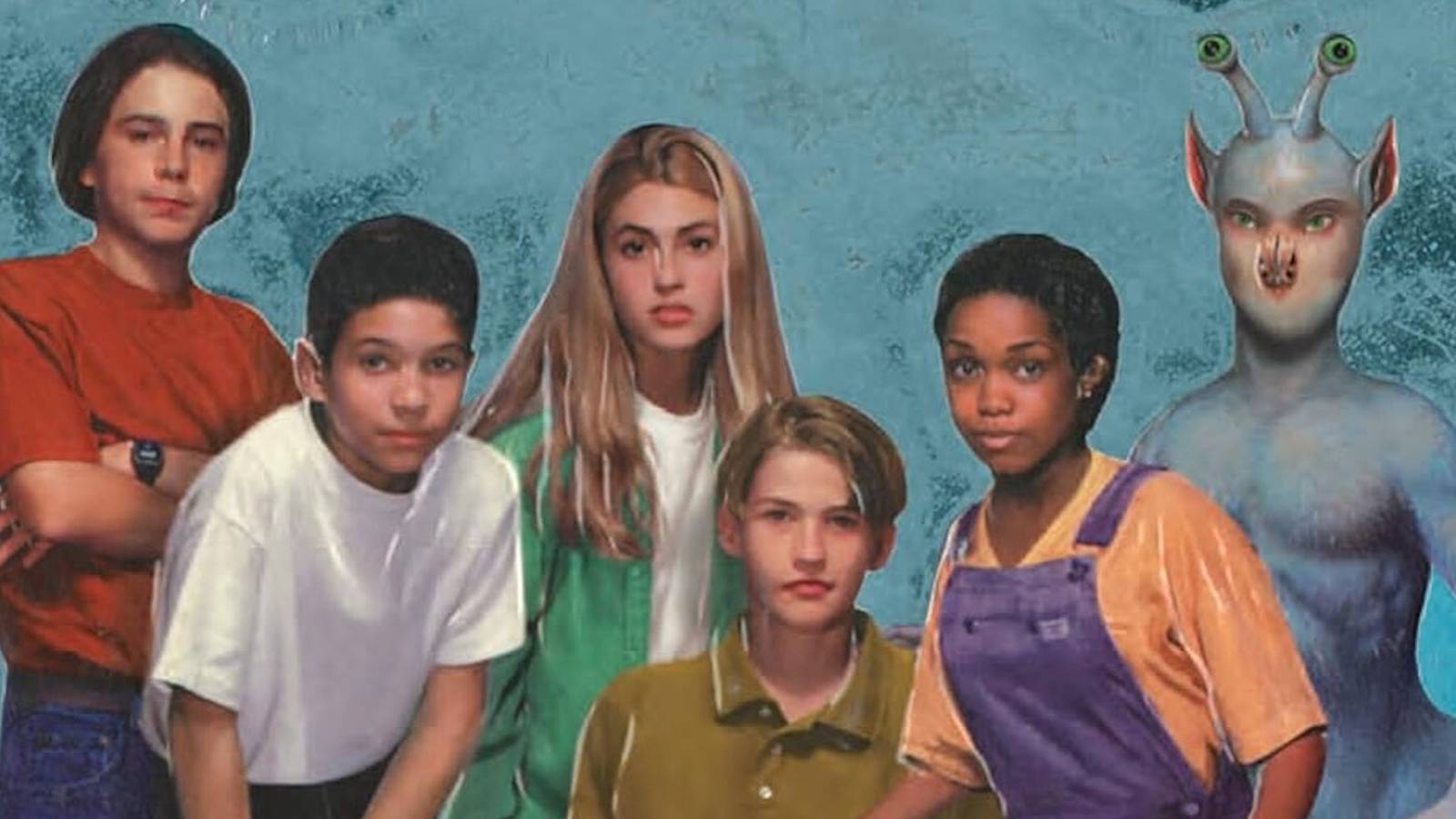
Scholastic has been a staple of childhood reading for over a century, but few of its series have dared to be as unflinchingly raw as Animorphs. Running from 1996 to 2001, this sci-fi saga by Katherine Applegate and Michael Grant (with a team of ghostwriters) followed five teenagers who gain the power to morph into animals to fight a secret alien invasion. On the surface, it's a classic kids' adventure, but beneath the covers lies one of the most brutally honest depictions of war ever written for young readers—or, arguably, for anyone.
The premise is deceptively simple: parasitic aliens called Yeerks are quietly taking over human hosts, and a dying alien prince recruits five teens to fight back. But Applegate and Grant never let the story stay black-and-white. The Yeerks aren't just mindless monsters; they're a species trapped by their biology, forced to either enslave others or live in a sensory-deprived pool. Their war against the noble Andelites is rooted in fear and misunderstanding, not pure evil. Meanwhile, the Andelites—the supposed good guys—are revealed to be arrogant, paranoid, and willing to cover up their own mistakes, as seen in The Alien when they blame a young cadet for leaking morphing technology to humans.
This moral complexity extends to the protagonists. The Animorphs are fighting to save humanity, but they often cross lines that would make most adult war heroes flinch. In The Stranger, they destroy a device that lets Yeerks feed outside their hosts, dooming hundreds of Yeerks—and their human hosts—to a slow, agonizing death. They use torture, make questionable recruits, and struggle with the psychological toll of constant violence. Rachel, the fashion-loving member, becomes a hardened killer; Cassie, the animal lover, is repulsed by the bloodshed. The series doesn't shy away from showing how war corrupts even the most well-intentioned souls.
What truly sets Animorphs apart is its unflinching portrayal of trauma. The battles are visceral, with descriptions of torn limbs and broken bones that would make many adult war novels blush. The kids are often reduced to tears after close calls, and the threat of being trapped in animal form adds a layer of body horror. The psychological damage is just as vivid: Jake, the leader, discovers his own brother is a controller, forcing him to fight a war that hits painfully close to home. The series doesn't offer easy answers or tidy endings—it shows that war leaves scars that never fully heal.
For a series aimed at kids, Animorphs tackles propaganda, genocide, and the futility of conflict with a sophistication that rivals literary fiction. It's no wonder the books have aged so well, remaining a touchstone for readers who grew up with them. If you're looking for a war story that doesn't pull punches, Animorphs is a must-read. And if you're hungry for more complex fantasy, check out these must-read fantasy books or dive into the best fantasy books ever.
In a genre often filled with clear-cut heroes and villains, Animorphs stands as a testament to the power of storytelling that trusts its audience to handle the truth. It's a series that doesn't just entertain—it educates, challenges, and leaves a lasting impact. For those who haven't yet experienced it, now is the perfect time to see why this kids' series remains one of the most profound war narratives ever written.