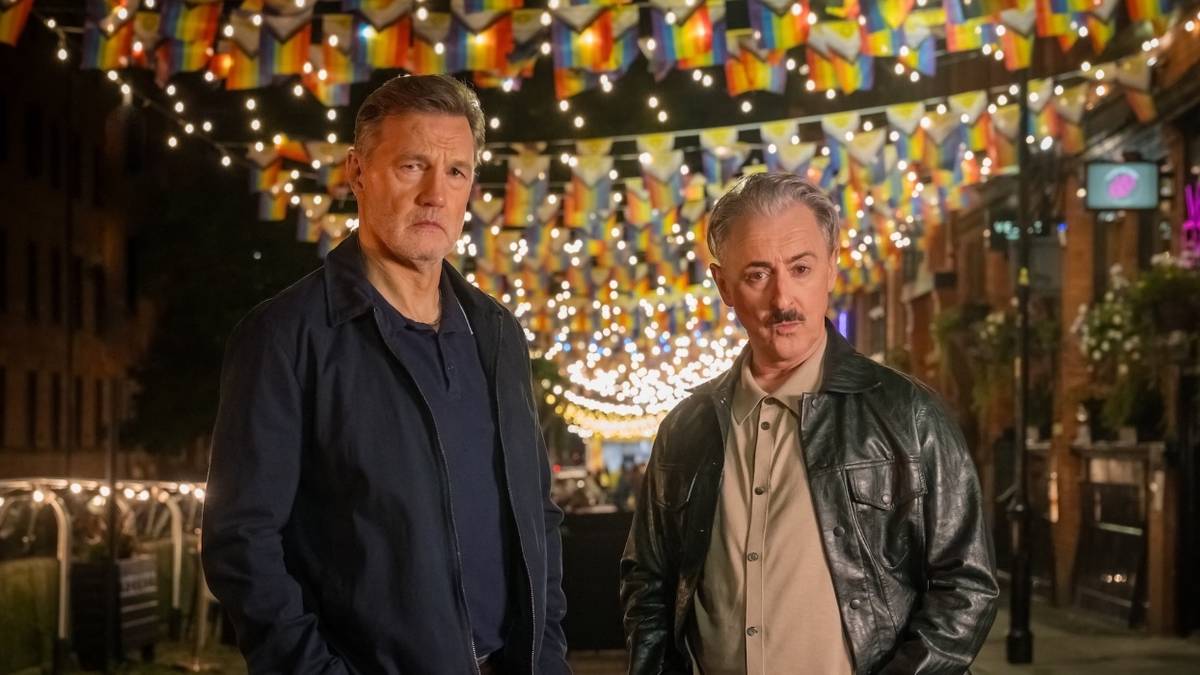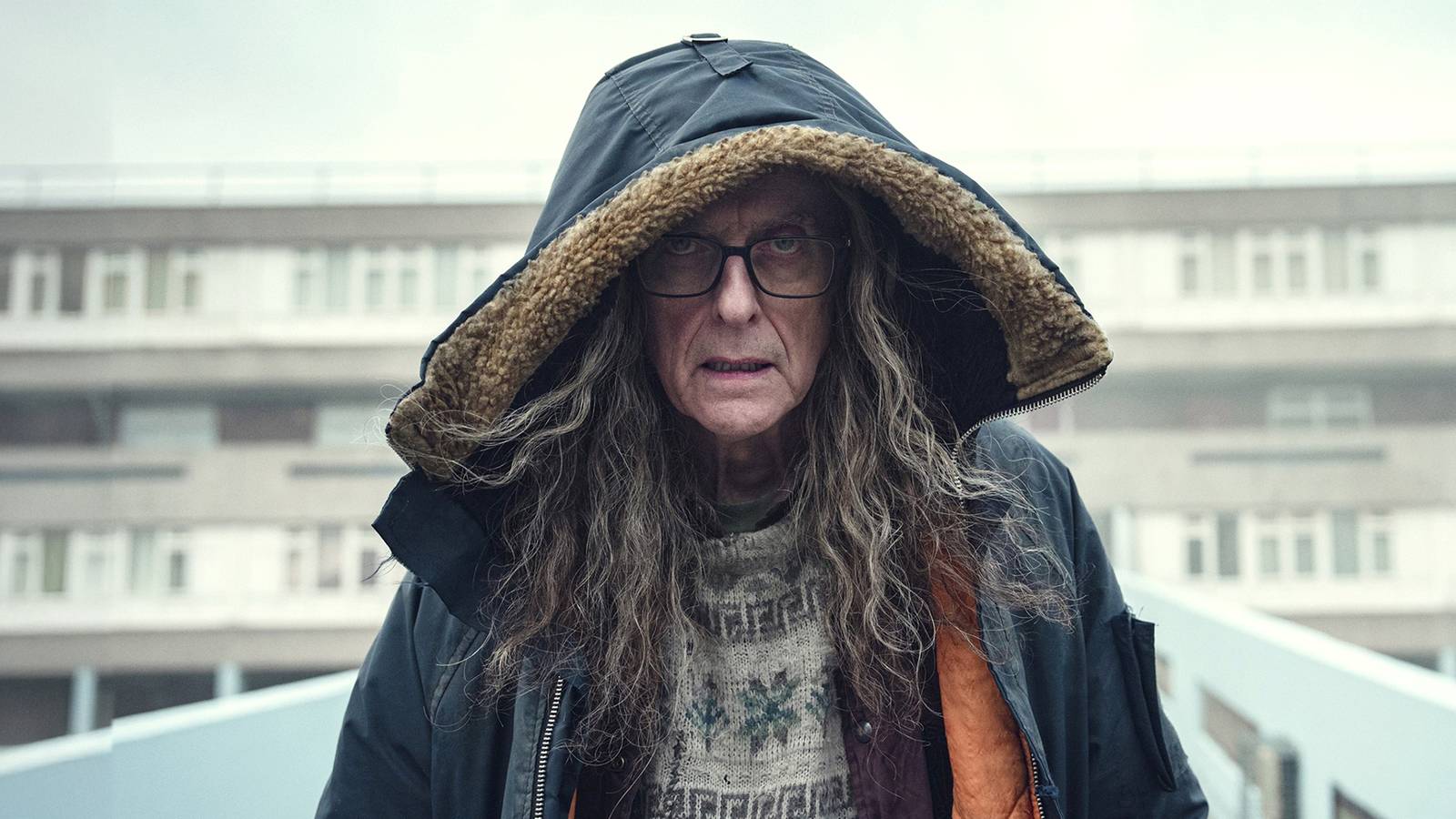
When you think of Netflix's sci-fi heavyweights, Black Mirror is likely near the top of the list. The anthology series has become a cultural touchstone, exploring the dark side of technology with a sharp, often unsettling edge. But before it became a streaming staple, the show had a humble start on British television—and nearly didn't survive past its second season.
Created by Charlie Brooker, Black Mirror debuted on Channel 4 in 2011. Brooker, known for his comedic work, pivoted to a more serious tone, drawing inspiration from The Twilight Zone. He wanted to use speculative fiction to comment on contemporary anxieties, from privacy to social media. The show's very first episode, "The National Anthem," set the tone: a royal kidnapping forces the Prime Minister into a shocking act. It was provocative, polarizing, and immediately made waves.
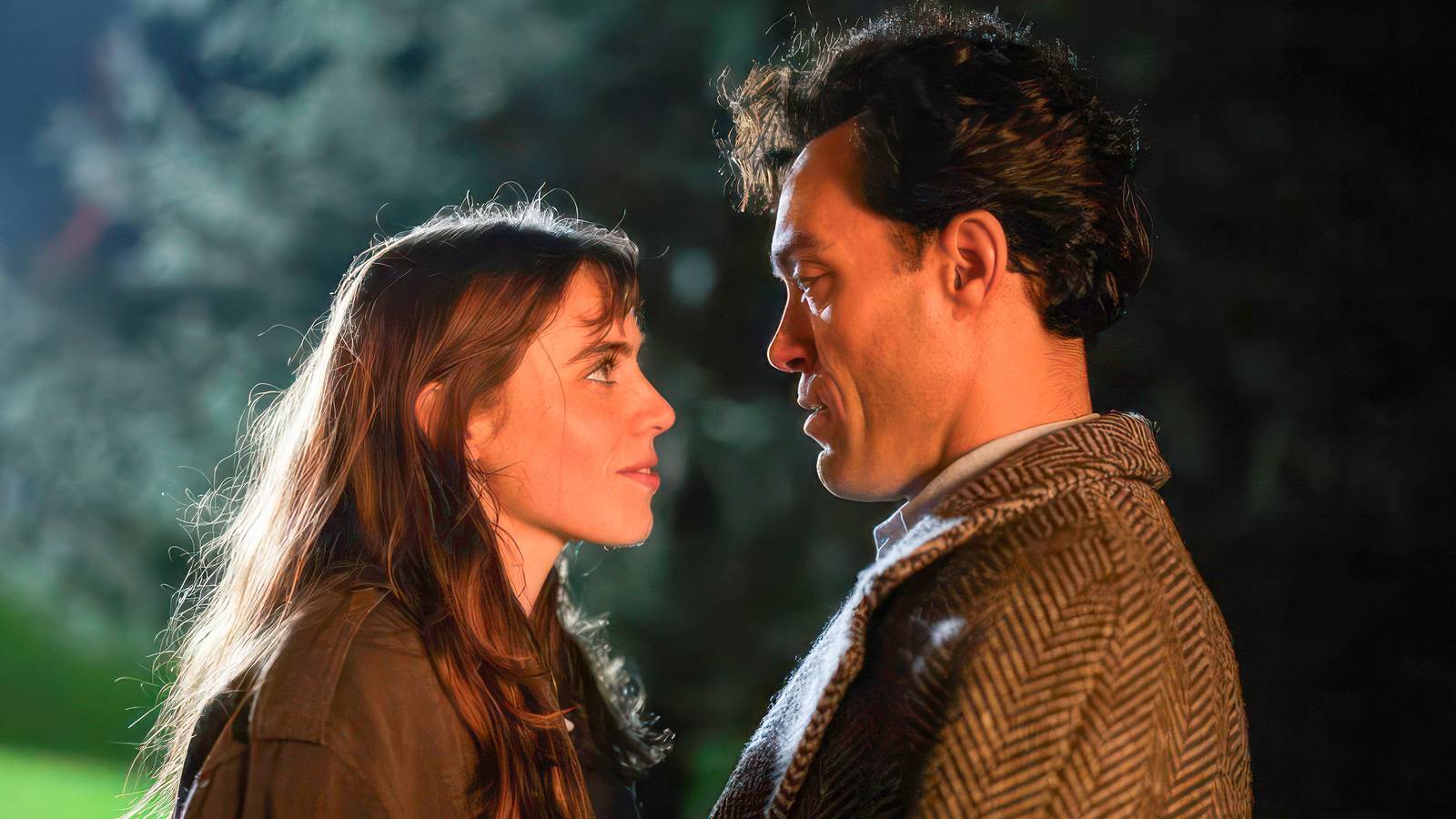
Despite critical acclaim and a devoted following, Black Mirror faced a major hurdle: money. After two seasons, Channel 4 informed Brooker and his producing partner Annabel Jones that the show's budget was no longer sustainable. They needed a co-producer to keep going. This opened the door to a bidding war, with networks like HBO and AMC expressing interest. Ultimately, Netflix swooped in and secured the rights, offering a larger budget and creative freedom that Channel 4 couldn't match.
The move to Netflix proved transformative. With more resources, Black Mirror attracted bigger guest stars and produced some of its most iconic episodes, including "San Junipero" and "U.S.S. Callister." The platform also allowed Brooker to experiment, leading to the interactive film Bandersnatch and themed seasons. These ambitious projects would have been nearly impossible on a traditional network.
Netflix's global reach was another game-changer. When Black Mirror returned for its third season in 2016, the streamer had just expanded worldwide. This coincided with the rise of other Netflix originals like Stranger Things, and suddenly Black Mirror went from a cult favorite to a mainstream phenomenon. The show's success helped cement Netflix as a major player in original programming, proving that streaming could rival traditional TV.
Looking ahead, Black Mirror is set to return for an eighth season, and fans are eager to see what Brooker has in store. But the landscape has changed again—streaming services are pricier, and competition is fierce. It's unlikely that a similar deal could be struck today, but Black Mirror's legacy is secure. It remains a testament to how a budget crisis can sometimes lead to unexpected greatness.
For more on Netflix's current offerings, check out our binge guide for late September or see what's leaving the platform this week. And if you're a fan of Brooker's work, you might also enjoy Mike Flanagan's horror films on Netflix.