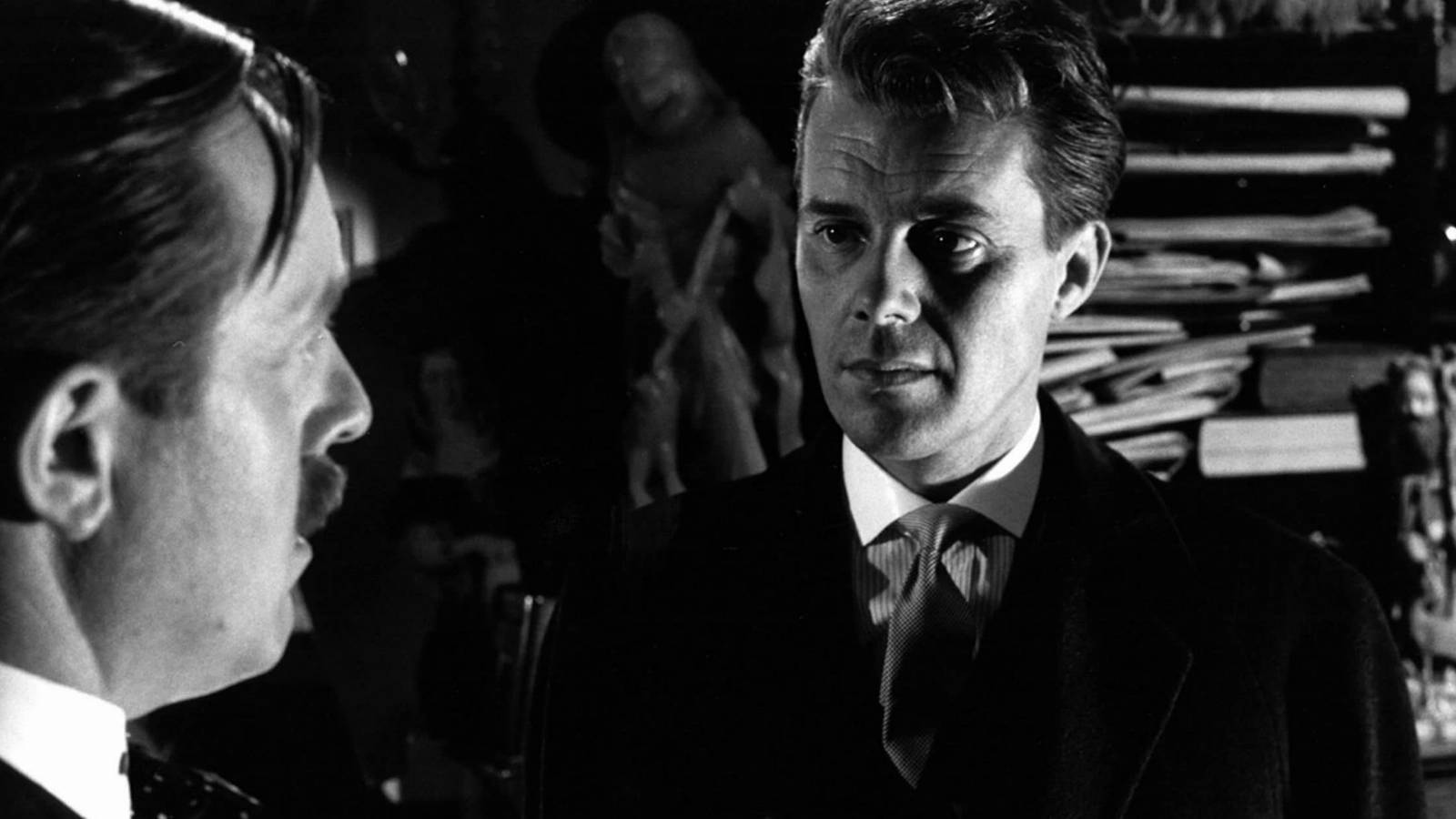
In 1961, a groundbreaking crime noir thriller titled Victim did more than entertain—it helped change the course of queer history. Directed by Basil Dearden and starring matinée idol Dirk Bogarde, this film tackled the UK's oppressive anti-homosexuality laws head-on, using a gripping blackmail plot to reframe the conversation. Its impact was so profound that it contributed to the decriminalization of same-sex acts in Britain just six years later.
The Story That Shook a Nation
The film follows Melville Farr, a successful married lawyer on the verge of becoming a judge. When a young acquaintance, Jack 'Boy' Barrett, commits suicide after being blackmailed for his sexuality, Farr discovers a ring targeting queer men. Despite the risks to his career and marriage, Farr decides to prosecute the blackmailers, embarking on a journey through a hidden world of fear and shame. Along the way, he meets an actor, a car salesman, and a photographer—all victims too terrified to testify. The blackmailers eventually turn on Farr, but with his wife's support, he confronts the consequences head-on.

A Film with a Mission
Screenwriter Janet Green, inspired by the 1957 Wolfenden Committee Report recommending sodomy law reform, crafted Victim as a deliberate protest. She had previously worked with Dearden on a film about racism, and together they aimed to expose the hypocrisy of laws that turned consensual acts into crimes. Producer Michael Relph and Dearden stated their intent was 'an open protest against Britain’s law that being a homosexual is a criminal act.' Made on a shoestring budget of under $200,000 in just 10 days, the film was a commercial success, earning over $65,000 above its cost.
How It Changed Society
Since 1533, British law had punished 'crimes against nature' with mutilation or death, leading to the imprisonment of figures like Oscar Wilde in 1895. Victim shifted public debate by focusing not on homosexuality itself but on the blackmail it enabled. The film argued that the law was a license for extortion and discrimination—a point echoed in Parliament during the 1967 debate on the Sexual Offenses Reform Bill. That bill finally decriminalized consensual same-sex acts, a direct result of changing public sentiment spurred by films like Victim.
Reframing the Problem
Rather than condemning queer individuals, Victim targeted the law that made them vulnerable. The tension between tolerance and conformity is a recurring theme, much like the pendulum swings we see today in political struggles. The film serves as a cautionary tale, showing how well-intentioned laws can create unintended havoc—similar to Prohibition in the U.S., which drove vice underground and fostered violence. By highlighting the blackmailers' crimes, Victim made the case that the real villain was the law itself.
Corruption and Integrity
The film masterfully illustrates how extortion affects different people. Farr remains untouched until Barrett's death brings it into his life, while a police detective wishes he didn't have to enforce 'victimless' crimes. His sergeant sees the law as righteous, but his boss reminds him that religious beliefs fall in and out of favor. An actor and a photographer pay blackmail to protect their careers, while a car salesman turns informant to save his inheritance. The blackmailer, himself closeted, preys on his own kind. Ultimately, Victim is about integrity—Farr's decision to do the right thing despite personal cost. For more on crime thrillers that push boundaries, check out our article on 'Ponies: The 96% RT Crime Thriller That's the Perfect Replacement for Legends'.
Today, Victim stands as a historical artifact, a well-crafted piece of propaganda, and a reminder of how far society has come—and how easily we could slip back. It's a must-watch for fans of noir and anyone interested in the intersection of cinema and social change. For more on similar impactful thrillers, see our piece on '5 Psychological Thrillers from the 2010s That Are True Masterpieces'.