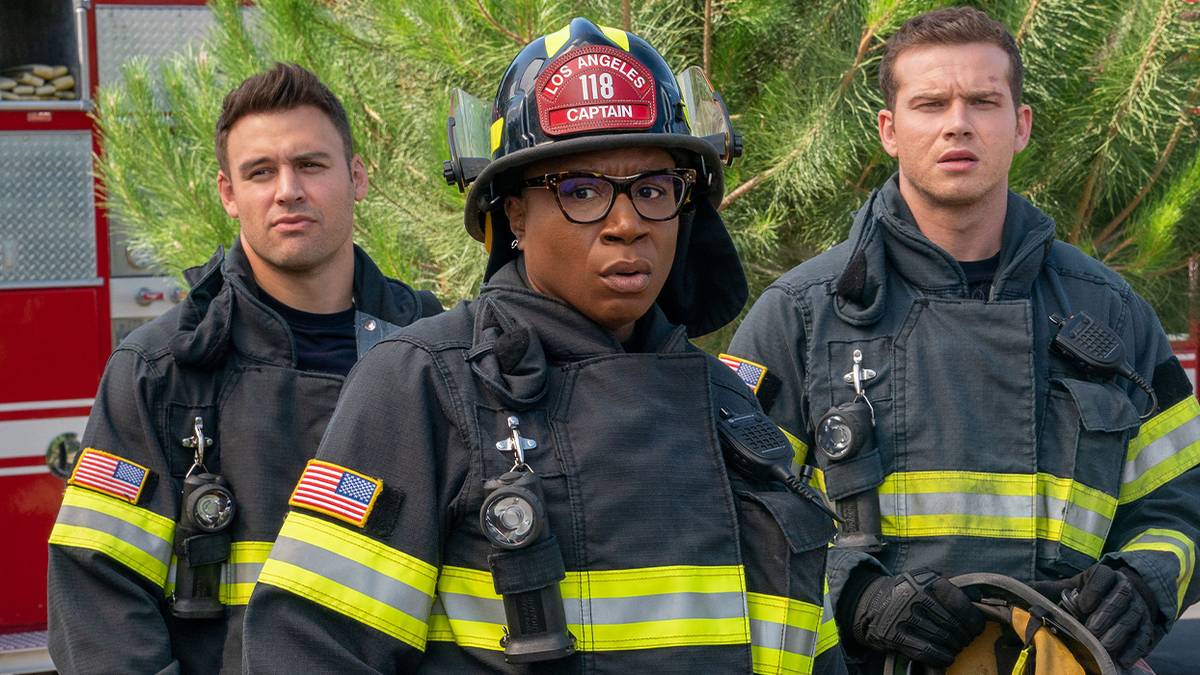
When 9-1-1 first premiered, it quickly set itself apart from other procedural dramas by focusing on the real-world emergencies that first responders face daily. But it wasn't until Season 2, Episode 2, titled "7.1," that the show truly found its seismic footing. This earthquake disaster didn't just rattle Los Angeles—it fundamentally changed the series forever, introducing a template for large-scale, multi-episode catastrophes that would become the show's signature.
Created by Ryan Murphy, Brad Falchuk, and Tim Minear, 9-1-1 follows the lives of firefighters, paramedics, dispatchers, and police officers in Los Angeles. The series stars Angela Bassett, Peter Krause, Aisha Hinds, and Oliver Stark in layered roles that explore the emotional toll of high-stakes emergencies. While the show has always delivered intense rescues, "7.1" raised the bar by depicting a city-wide earthquake that tested every character in new ways.
A New Era of Disaster Storytelling
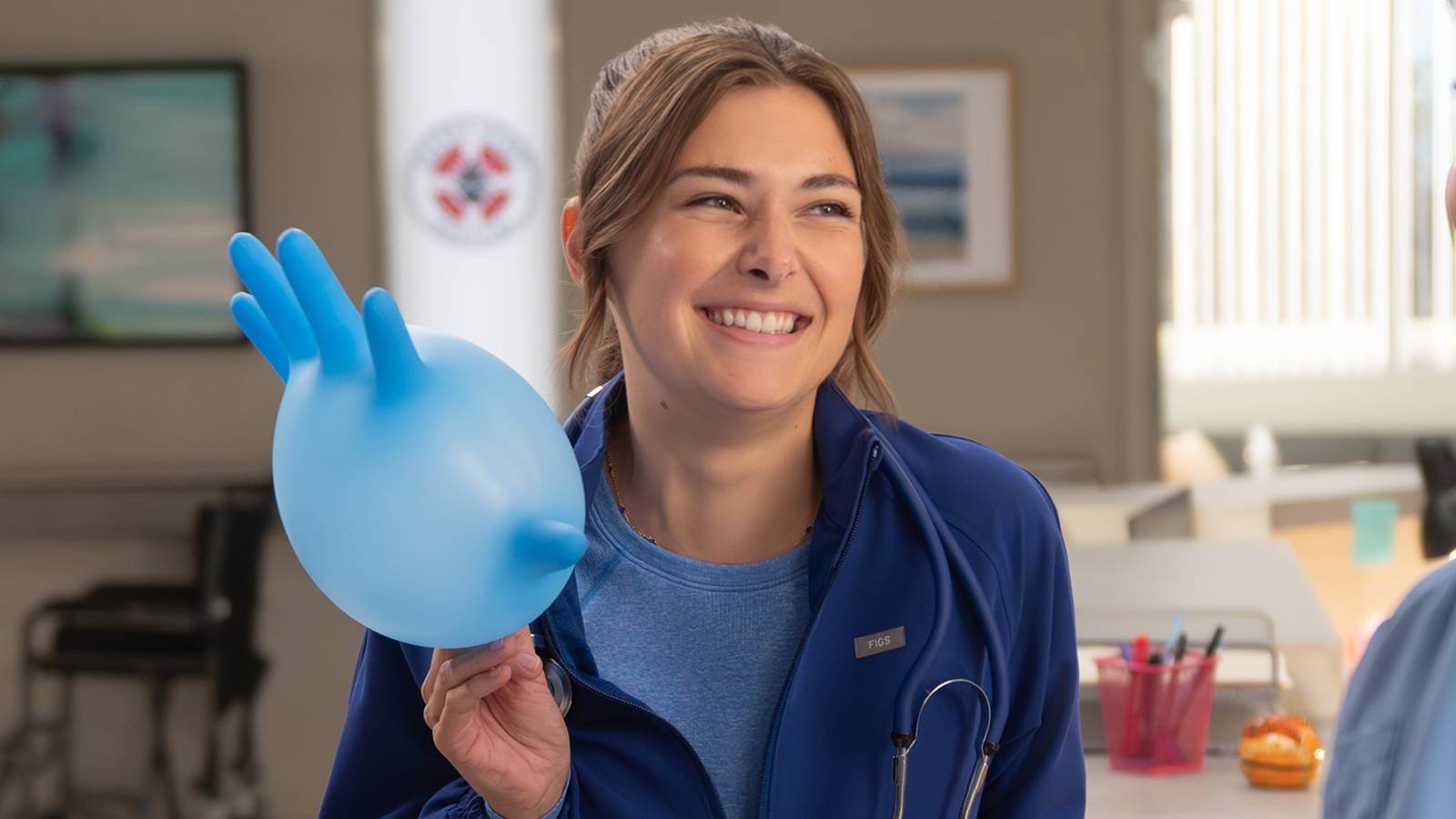
The earthquake in "7.1" was the first time 9-1-1 stretched a disaster across multiple episodes, emphasizing that some crises can't be resolved in a single hour. This shift allowed the show to explore the aftermath and the psychological impact on both first responders and their families. For Maddie Buckley (Jennifer Love Hewitt), introduced in the Season 2 premiere, her first day as a dispatcher becomes a harrowing test of composure. She must triage frantic calls while worrying about her firefighter brother, Evan Buckley (Oliver Stark). Her quick thinking and ability to guide callers to help marks the beginning of her journey to becoming one of the L.A. area's best dispatchers.
Similarly, Eddie Diaz (Ryan Guzman) faces a personal crisis when the earthquake hits, fearing for his young son Christopher (Gavin McHugh), who has cerebral palsy. A poignant moment with Henrietta "Hen" Wilson (Aisha Hinds) reminds him that every parent would want a first responder to do everything possible to save their child. This insight helps Eddie channel his military medic experience into focused action, setting the stage for his deep commitment to protecting others—especially children.
Family Perspectives and Lasting Impact
One of the episode's strengths is its portrayal of first responders' families. Through Michael Grant (Rockmond Dunbar), May Grant (Corinne Massiah), and Harry Grant (Marcanthonee Jon Reis), viewers experience the anxiety of waiting for news about Athena Grant (Angela Bassett) as she remains unreachable during the chaos. This dual perspective—showing both the heroes in the field and the loved ones at home—added emotional depth that would become a hallmark of the series.
The earthquake's aftershocks extended far beyond Season 2. It inspired later seasons to feature ambitious multi-episode disasters, from blackouts and tsunamis to a tornado of bees and even a trip to space in Season 9. These large-scale events have become iconic within the 9-1-1 franchise, allowing the creative team, cast, and characters to push their limits. As the show continues to evolve, its willingness to tackle epic emergencies—while keeping character development at the core—remains a key reason for its enduring popularity. For fans of groundbreaking TV, this episode is a reminder of how a single disaster can redefine a series, much like Forgotten Trailblazers: 7 Sci-Fi Shows That Changed TV Forever reshaped their genres.
Ultimately, "7.1" proved that 9-1-1 is more than just a procedural—it's a show that thrives on high-stakes storytelling and emotional resonance. The earthquake disaster didn't just change the city; it changed the show forever, setting a standard for epic, character-driven emergencies that continues to captivate audiences.