Every TV show eventually faces the daunting task of crafting a finale. Some opt for a cozy, satisfying wrap-up, while others take a bolder path—one that can completely alter how audiences perceive the entire series. HBO has delivered some of the most talked-about finales in television history, for better or worse, and their impact is still felt today.
From the controversial cut to black in The Sopranos to the polarizing end of Game of Thrones, these finales didn't just close a story—they sparked debates, changed industry practices, and even reshaped the legacy of the shows themselves. Here are the HBO finales that truly changed everything.

The Wire: A Grim, Cyclical Truth
David Simon's The Wire never promised easy answers. Its final season drives home the show's central thesis: the systems of crime, politics, and bureaucracy are endlessly repeating loops. Characters don't get neat resolutions; instead, we see the next generation stepping into the same roles, suggesting that nothing truly changes. This refusal to offer closure was a radical statement, proving that a great series doesn't need a tidy ending to be powerful.
Game of Thrones: A Cautionary Tale
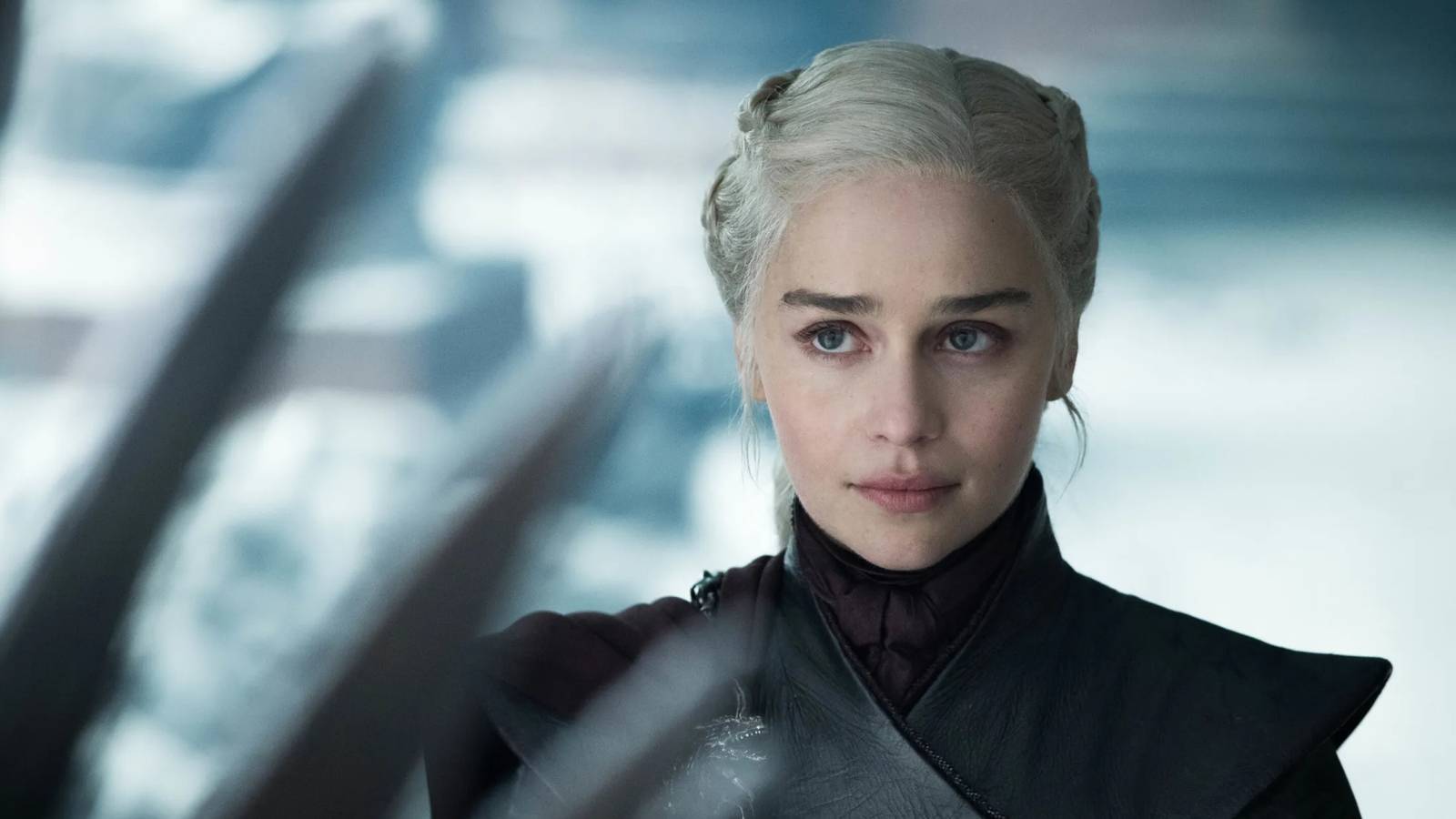
Few finales have had the cultural shockwave of Game of Thrones' last season. The rushed character arcs and controversial decisions sparked a fan backlash that changed how networks approach long-running series. Showrunners now know they must plan endings carefully, or risk alienating their audience. The lesson from Westeros is clear: a finale can make or break a show's legacy, and the industry is still feeling the ripple effects.
Barry: Deconstructing the Antihero
Bill Hader's Barry ended with a masterstroke. The series, which balanced dark comedy with brutal violence, concluded with a time jump that recontextualized everything. Barry's story is turned into a sanitized Hollywood biopic, a scathing critique of how we romanticize criminals. It's a finale that flips the genre on its head, leaving viewers questioning the very nature of storytelling.
Curb Your Enthusiasm: A Meta Masterpiece
Larry David's swan song was a brilliant piece of meta-commentary. By recreating the infamous Seinfeld finale and then subverting it, Curb Your Enthusiasm gave fans the closure they never got. It's the only finale that directly changed how we view another show, proving that a series can end by rewriting its own history.
Show Me a Hero: A Quiet Revolution
David Simon's miniseries about housing desegregation in Yonkers might not have the same fame as his other works, but its finale is just as impactful. The show ends not with a triumphant victory, but with a somber acknowledgment that progress is slow and often incomplete. It's a realistic, thought-provoking conclusion that challenges the typical narrative of social change.
The Sopranos: The Cut to Black
No list of game-changing finales is complete without The Sopranos. The sudden cut to black in the final scene left audiences stunned and debating for years. Was Tony killed? Or did the show simply end? This ambiguity forced viewers to confront the show's themes of mortality and uncertainty, making it one of the most analyzed endings in TV history.
These finales, whether beloved or reviled, have left an indelible mark on television. They remind us that a show's ending isn't just a conclusion—it's a statement. And sometimes, that statement changes everything.