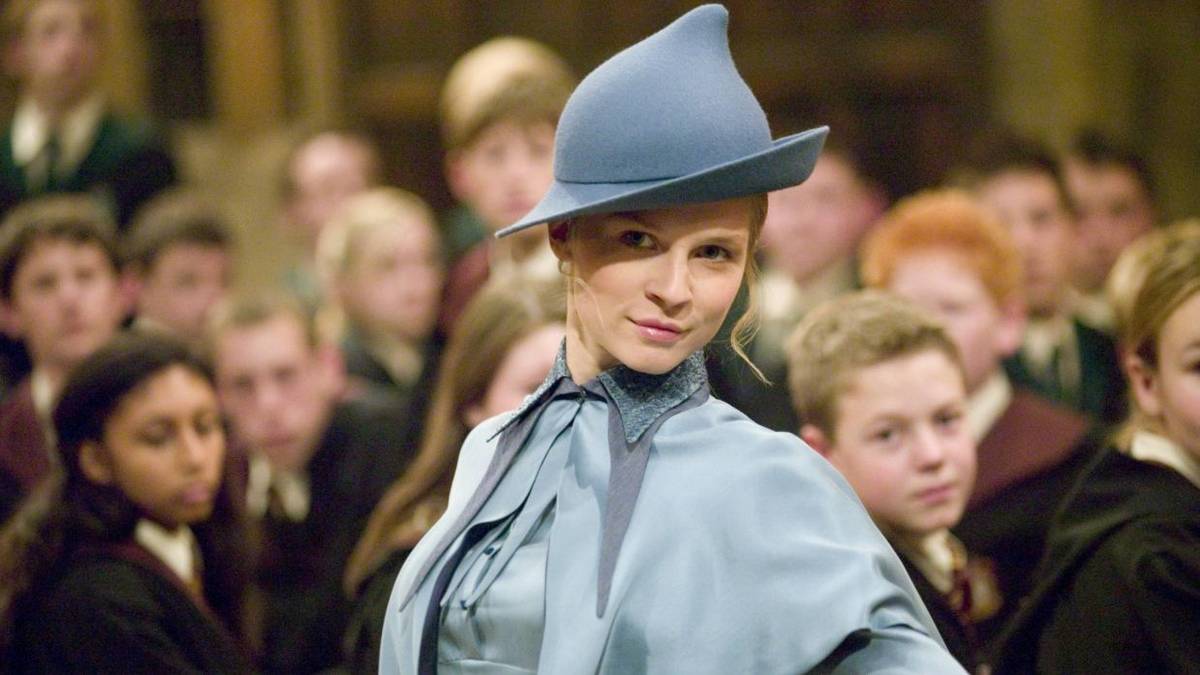
When it came time to find a director for Harry Potter and the Goblet of Fire, the franchise's producers faced a tough challenge. Chris Columbus, who helmed the first two films, wanted to return to his family in the States. Alfonso Cuarón, fresh off the acclaimed Prisoner of Azkaban, was too drained to dive back into another massive production. So the search began for someone new—and they found Mike Newell, a British filmmaker with a surprisingly colorful vision.
In a recent appearance on the official Harry Potter podcast, producer David Heyman shared how Newell's pitch stood out. "We went to Mike and it just felt right," Heyman recalled. "It was the Quidditch World Cup, and it was new schools. Mike talked about making a Bollywood movie. And even though it's not literally a Bollywood movie, they're all singing, they're all dancing. It's a spectacle."
That Bollywood-inspired energy infused the film with a sense of grandeur and joy that set it apart from its predecessors. But Newell wasn't just about spectacle—he brought a multifaceted approach. Heyman noted that Newell could handle the thriller elements, having directed films like Donnie Brasco, and the romantic comedy aspects, thanks to his work on Four Weddings and a Funeral. "It was first love, a rom-com, and the pain and awkwardness of that," Heyman added.
Newell also became the first British director to helm a Potter film, a detail that mattered to the producers. "We wanted to bring some British-ness to it," Heyman explained. That blend of British charm, Bollywood flair, and genre versatility made Newell the perfect choice for the fourth installment.
The result was a critical and commercial triumph. Harry Potter and the Goblet of Fire grossed over $900 million worldwide on a reported $150 million budget, and it holds a Certified Fresh 88% score on Rotten Tomatoes. Critics praised the film for its maturing characters and improved filmmaking, calling it "the most complex yet" of the series.
Newell's vision was a departure from the darker tone of Azkaban, but it still delivered the emotional weight of the Triwizard Tournament and the return of Lord Voldemort. The film balanced teenage angst, thrilling challenges, and the ominous rise of dark forces—all while maintaining that vibrant, almost musical quality Newell pitched.
Looking back, it's fascinating to imagine what Goblet of Fire might have been without Newell's Bollywood-inspired approach. Would the Yule Ball have felt as magical? Would the Quidditch World Cup have been as spectacular? Probably not. His pitch was a gamble, but it paid off in a film that remains a fan favorite.
As the Harry Potter universe prepares to return with an HBO television series, fans can revisit the original films with fresh eyes. The upcoming show has already generated buzz, with Kit Harington stepping in as Gilderoy Lockhart and a sneaky first look at Voldemort already revealed. While the series will likely take a different approach, Newell's Bollywood pitch remains a delightful piece of Potter history.
For those who haven't revisited Goblet of Fire in a while, it's worth another watch—not just for the dragon chase or the underwater rescue, but for the sheer spectacle that Newell brought to the screen. It's a reminder that sometimes the boldest ideas come from the most unexpected places.