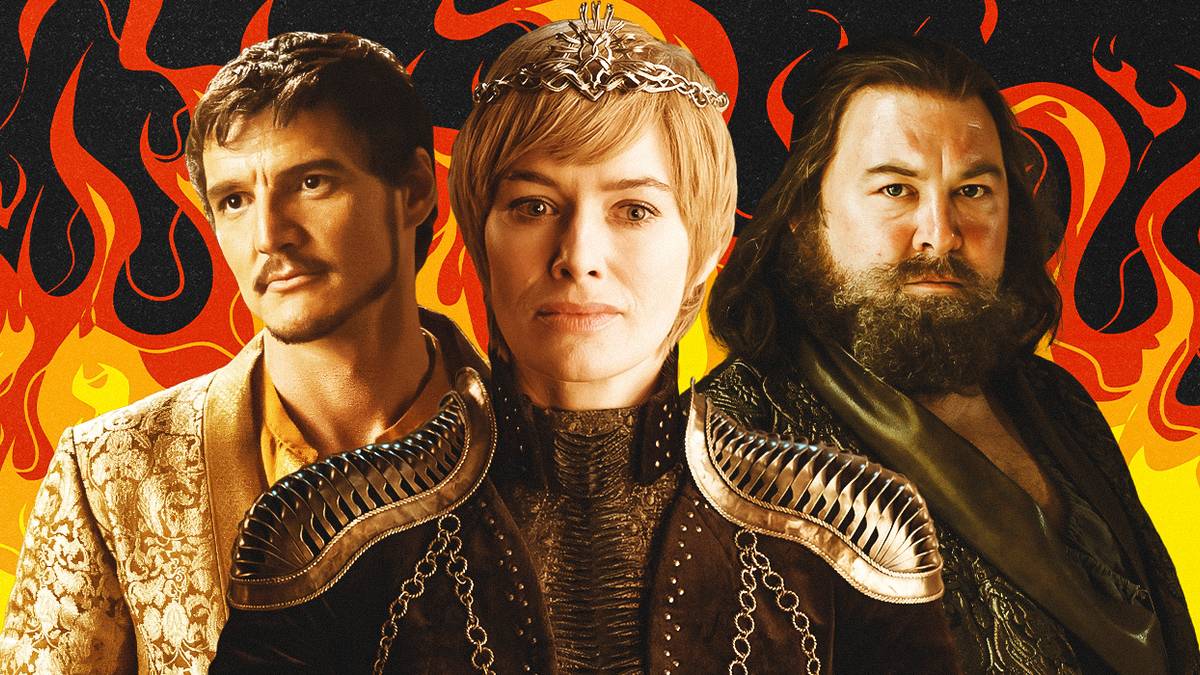
For all its epic scope and shocking twists, Game of Thrones had a blind spot when it came to one of George R.R. Martin's most fascinating creations: Cersei Lannister. While Lena Headey delivered a chilling performance, the TV series steadily drained the color and moral complexity from the character, leaving a villain far less compelling than the one in the pages of A Song of Ice and Fire.
Martin's books are celebrated for their moral gray areas, but they're also wildly colorful—literally and figuratively. Characters wear vibrant wardrobes, hold contradictory worldviews, and act with all the messy extremes of real people. The show, especially in later seasons, sanded down those edges. Daenerys, Arya, and Cersei all lost their nuance, but Cersei's flattening was the most frustrating to watch unfold.
The Book Cersei Is Darker, More Sympathetic, and More Volatile
In Martin's novels, Cersei is a viewpoint character, giving readers direct access to her thoughts and fears. What we find is a woman driven by prophecy, paranoia, and a deep-seated hatred for her brother Tyrion—whom she blames for their mother's death. The show kept the broad strokes: her incestuous relationship with Jaime, her loveless marriage to Robert Baratheon, and her ruthless climb to power. But it cut the details that make her truly compelling.
For instance, the books reveal that Cersei took pains to avoid bearing Robert's children. When she did become pregnant, she arranged an abortion. The show invented a legitimate baby who died in infancy, softening her resolve. The books also include a chilling prophecy from Maggy the Frog: not only that Cersei's children would die and a younger queen would dethrone her, but that she would be strangled by the valonqar—High Valyrian for "little brother." Cersei believes this means Tyrion, and the obsession consumes her. The show cut this final prediction entirely.
Even Robert's brutality is more nuanced in the books. He's ashamed of his violence and fearful of what Cersei and Joffrey might do. The show turned him into a one-dimensional brute. And Cersei's cruelty is more calculated: she orders the slaughter of Robert's bastards, threatens his daughter, and kills the only witness to her prophecy. These layers make her a villain you can understand, even pity.
Why the Show Failed to Capture Her Complexity
As the series progressed, Cersei became a caricature of power-hungry malice. The show leaned into her cold, calculating exterior but rarely let her be vulnerable, paranoid, or genuinely sympathetic. Martin's Cersei is a woman trapped by her own ambition and the patriarchy she despises. She's a villain, yes, but one with a rich inner life that the show never fully explored.
For fans who want to see how Martin handles other complex characters, check out our piece on how TV shows fixed key characters from his books. And if you're craving more morally gray fantasy, our list of 8 dark fantasy books that are flawlessly written masterpieces is a great place to start.
Ultimately, the Game of Thrones show gave us a Cersei who was formidable but hollow. The books offer a woman whose every scheming move is born of fear, prophecy, and a desperate need to control her own fate. That's the Cersei we should have seen on screen—and the one we'll always have in Martin's pages.