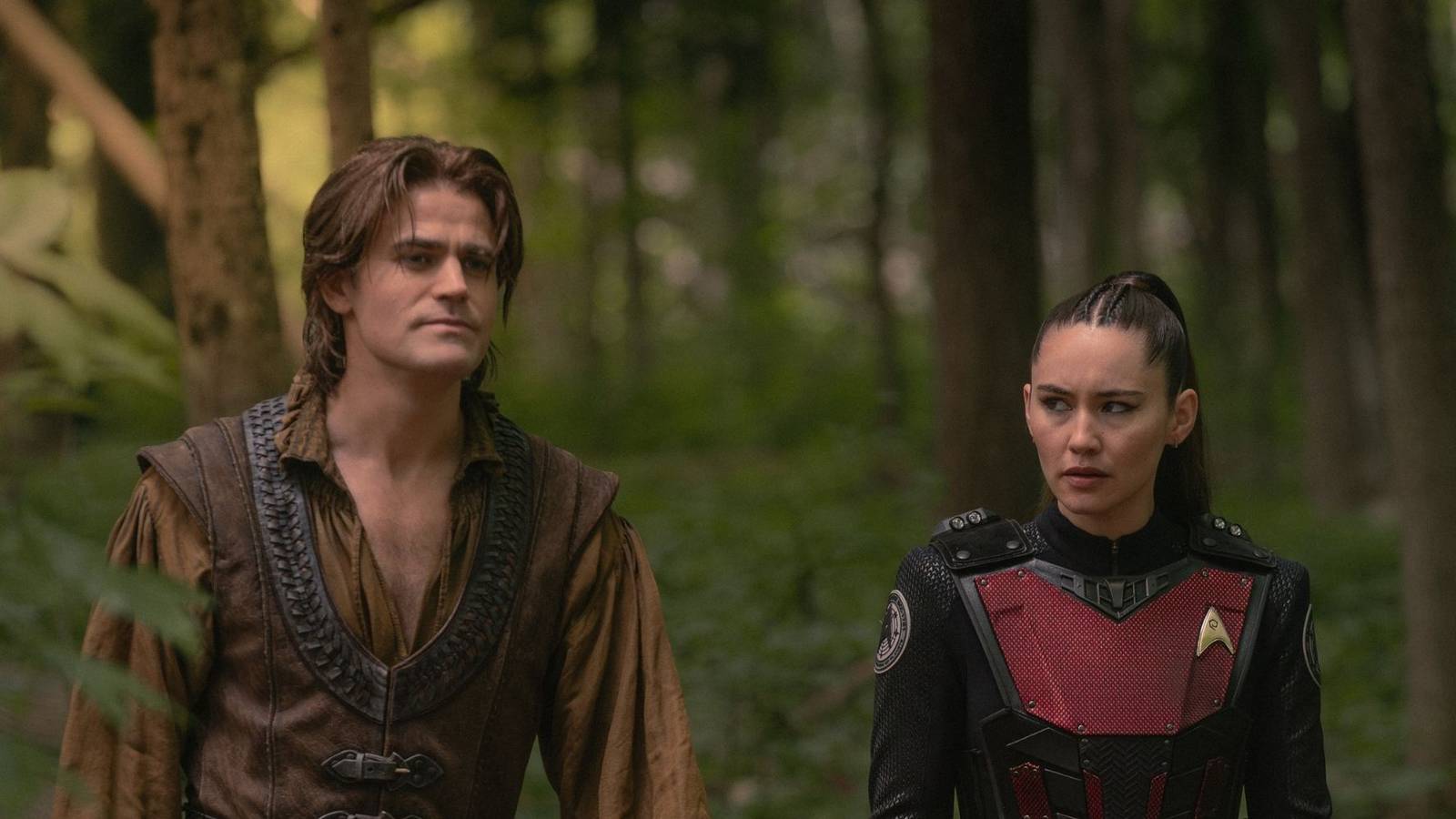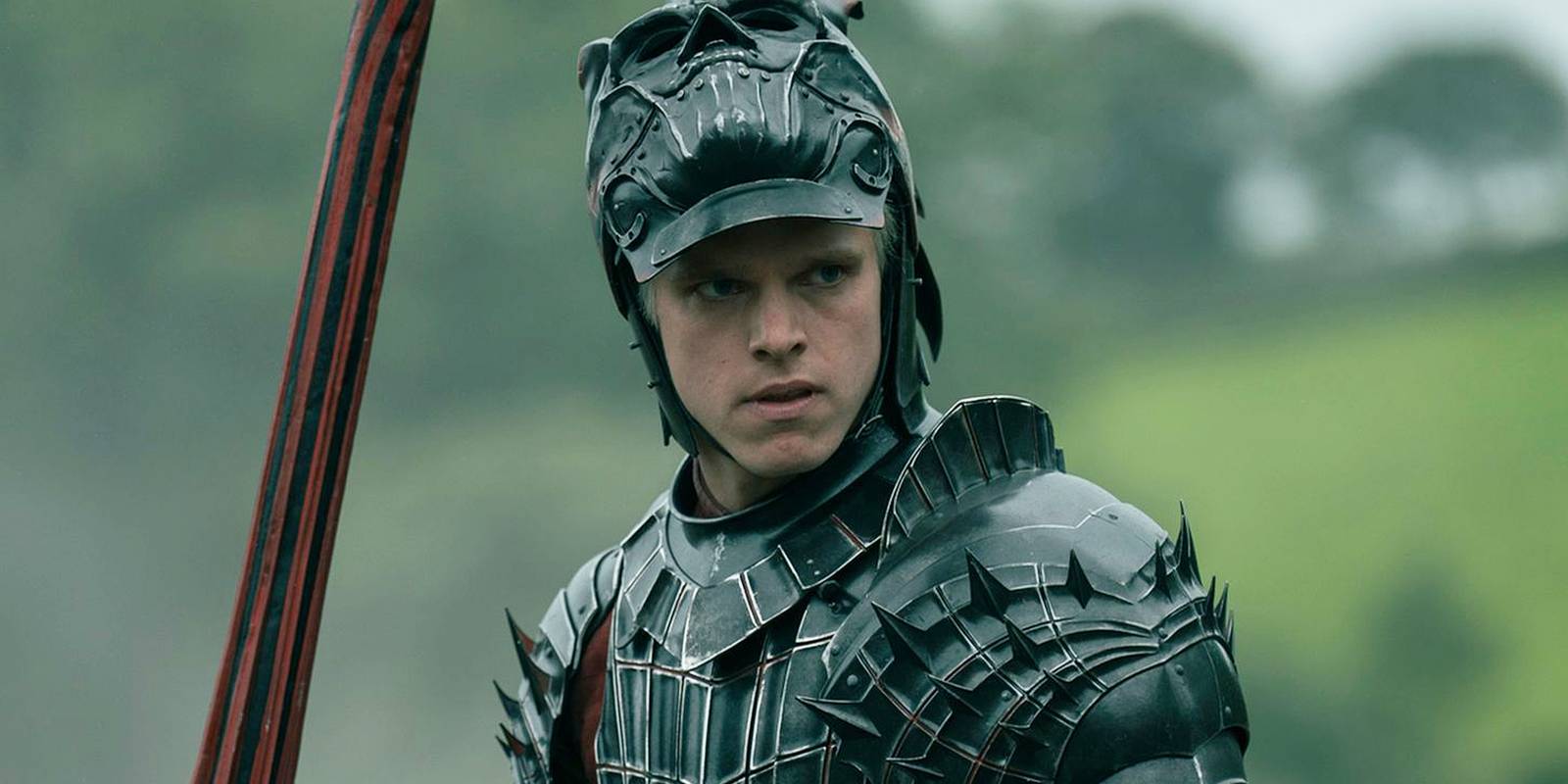
HBO's latest dive into Westeros, the six-part series 'A Knight of the Seven Kingdoms,' is doing more than just telling a new story. It's quietly resurrecting a piece of George R.R. Martin's original lore that longtime book fans will recognize instantly. The series makes a subtle but significant reference to 'The Others,' the chilling name for the White Walker race used exclusively in Martin's 'A Song of Ice and Fire' novels.
For viewers who only know the hit TV series, the White Walkers were the icy, supernatural threat from beyond the Wall. In the books, however, they are almost exclusively called The Others, a name that carries a more mysterious and ancient weight. This distinction isn't just semantic; it speaks to the deeper mythological roots Martin planted in his world. The show's decision to use this terminology is a deliberate nod to the source material's richer, often untapped, history.
Why 'The Others' Matters
The reference in 'A Knight of the Seven Kingdoms' is more than an easter egg. It suggests the new series might explore the more enigmatic aspects of this existential threat. In Martin's books, The Others are shrouded in far more mystery than their TV counterparts. They have their own strange language, a chillingly alien culture, and motives that are not simply 'destroy all life.' Their reappearance in the dialogue of this new prequel hints that the showrunners are willing to delve into these book-accurate complexities.
This move has set the fan theory community ablaze. Does this mean the new series will explore the true origins of the Long Night? Could we see a different interpretation of the conflict between the living and these icy beings? The reference acts as a bridge, connecting the familiar visual spectacle of the White Walkers with the deeper, more frightening unknown of The Others from the page. It's a promise of lore that feels both classic and unexplored.
A Return to Forgotten Lore
This isn't the first time a streaming service has found success by revisiting overlooked elements of a franchise. Just as some forgotten Marvel gems are getting a second look from new audiences, HBO is mining the rich, untouched depths of Martin's world. It's a strategy that rewards dedicated fans while building intrigue for newcomers.
The choice also reflects a broader trend in entertainment, where adaptations are becoming more faithful to the nuanced details of their source material. By reintroducing 'The Others,' the series affirms its commitment to the books' atmosphere—one of profound dread and cosmic mystery, rather than straightforward monster battles. It positions the threat as something older and more intelligent than mere zombies.
What does this mean for the future of the series? It opens the door to storylines that the original 'Game of Thrones' show had to streamline or abandon. We could learn more about the Children of the Forest's role, the true purpose of the Wall, or the ancient pacts that may have been broken. This single name-drop has effectively expanded the narrative possibilities for the entire 'Game of Thrones' universe on screen.
In an era crowded with prequels and spinoffs, success often hinges on offering something both fresh and authentically connected to the original. By reviving the concept of The Others, 'A Knight of the Seven Kingdoms' isn't just telling another tale in the same world; it's deepening the mythology itself. It proves that some of the most compelling stories aren't always about looking forward, but about rediscovering what was left behind in the pages of history—or in this case, on the pages of a beloved fantasy series. This approach to forgotten lore isn't unique to fantasy; even genres like the western have masterpieces lost to time that could benefit from a modern revisit.