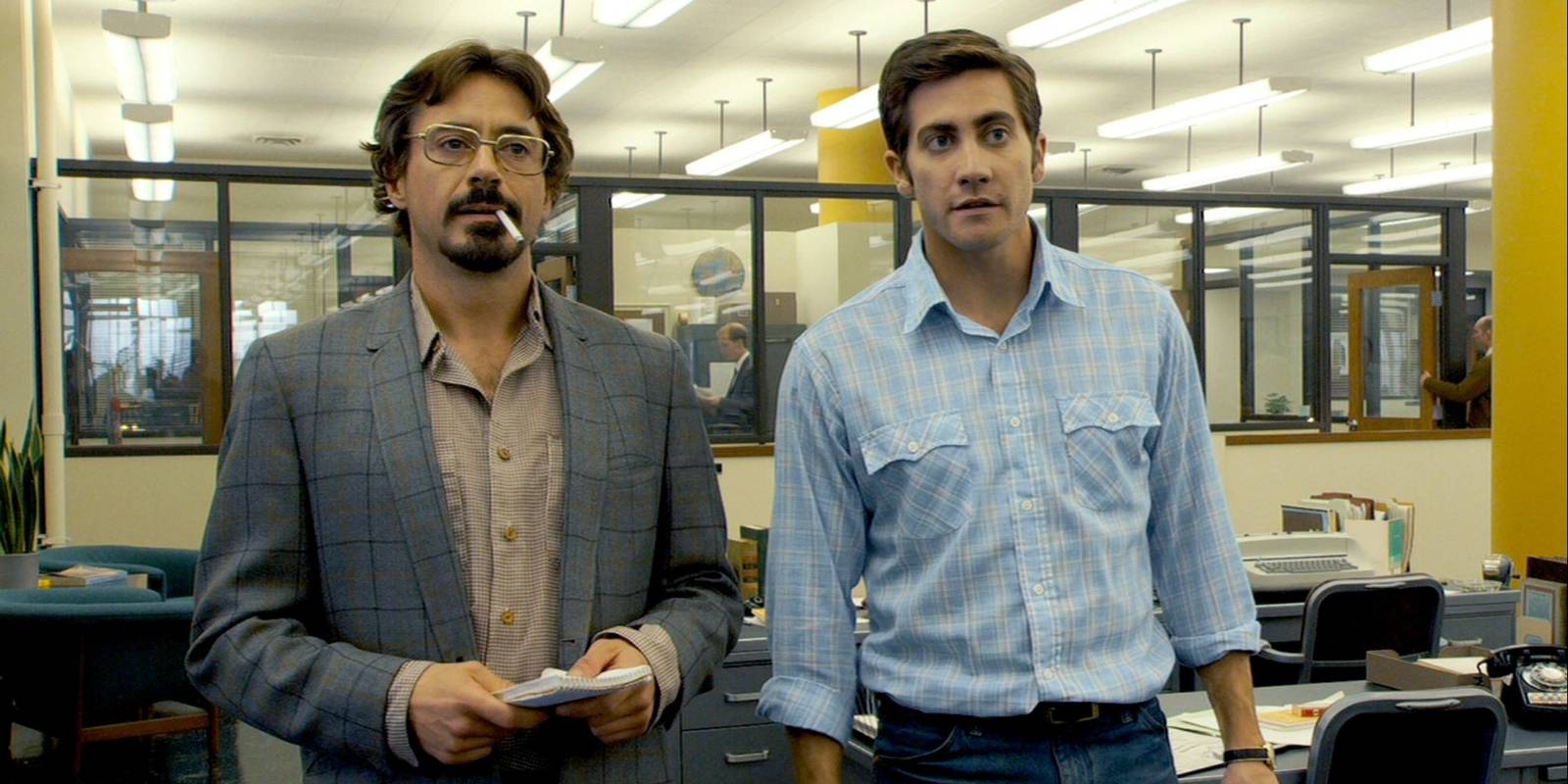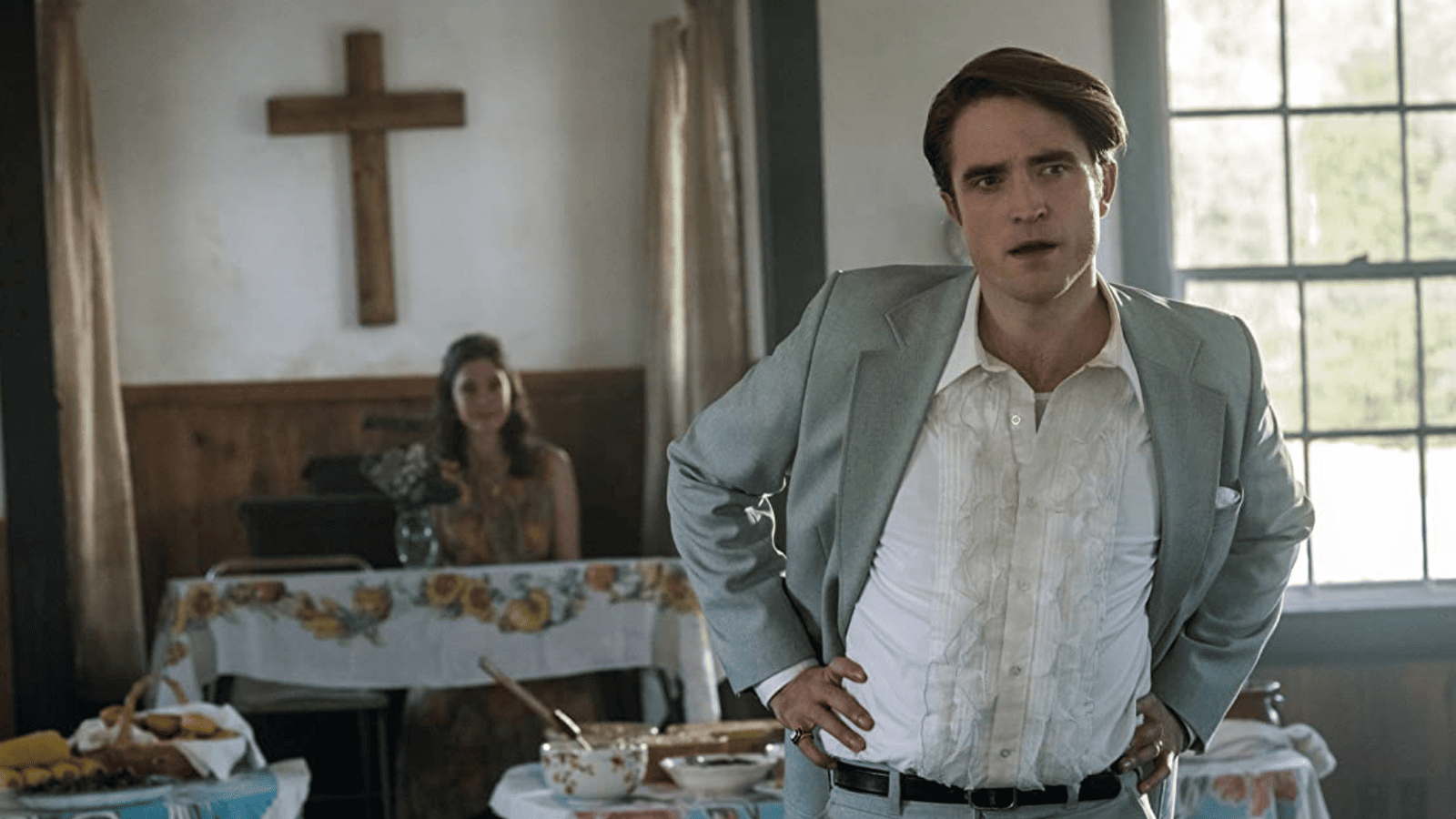
It's easy to forget just how far Robert Pattinson has traveled from his Twilight heartthrob days. But never more than now, watching him anchor projects as varied as The Drama, Primetime, the upcoming crime thriller Here Comes the Flood, and the highly anticipated The Batman Part II. The assumption that he would fade into franchise typecasting forever, reduced to little more than tabloid fame, has been almost entirely erased by a decade of relentlessly strange yet ambitious choices. From the signature performance in Good Time's frantic descent into the New York underbelly, to Tenet's icy blockbuster precision, and even the more recent plunge into the role of Antinous in The Odyssey, Pattinson has built a career that looks nothing like what anyone predicted when Twilight ended.
But this list isn't focused on his marquee successes—those aren't the reasons worth tracing how he got here. The films on this list received some genuinely mixed reviews upon release, and a few barely resonated with mainstream audiences at all. High Life came and went with little fanfare; The King asked him to disappear into a smaller supporting role rather than a headline; and even The Lost City of Z struggled to find its niche audience despite the heavy ambition behind the project. None of that diminishes what these artistic career choices reveal in hindsight.
Putting all these films together, though, they tell a clearer story than any single performance could. This is an actor deliberately chasing difficulty over comfort, character actor choices over easy paydays—all long before that strategy paid off in the form of The Batman and everything that has followed. Whether audiences realized it at the time or not, these performances quietly laid the groundwork for the household name he has become today.
6. 'High Life' (2017)
High Life is the kind of role that tends to get lost in the conversation about Pattinson's evolution. Perhaps the least known film on this list, it's an unsettling, formally daring sci-fi film by French director Claire Denis that asked Pattinson to disappear into a fairly all-encompassing role, preferring that over leaning on any of his established screen presence. The film went largely under the radar upon its release, overshadowed by flashier space thrillers of its era. This performance remains one of the clearest signifiers of exactly the kind of role diversity and expansion Pattinson was already playing with this early into his post-Twilight career.
In High Life, he plays a death row inmate sent into deep space as part of a reproductive science experiment. He is asked to hold restraint and a quiet kind of menace in a role offering none of the usual spotlight he had become accustomed to. It's not a performance most point to when first discussing his transformation, but it shows an actor already testing and challenging himself with exactly the kind of unglamorous, art-house driven work that would blanket the next decade of his career.
5. 'The King' (2019)
The King gave Pattinson a smaller role than any other film on this list, and he made an outsized impression with the little time he had. Playing the Dauphin of France opposite Timothée Chalamet's Henry V, he leaned into an exaggerated, eccentric French accent and mannerisms that bordered on theatrical excess in the middle of an otherwise somber medieval war film. He's under the direction of David Michôd here, whom he had already worked with on The Rover. It was an unexpected, almost mischievous choice—a period piece cameo that could have easily been forgettable in lesser hands.
Instead, it became one of the film's most memorable elements, precisely because Pattinson refused to play it safe even if the role was brief. Reuniting with Michôd showed a growing pattern of loyalty to directors who let him experiment, and a choice this broad and strange without restraint proved he was no longer interested in being liked in the conventional way. This role captures the reinvention in miniature—an actor willing to be this odd on screen, unconcerned with protecting a leading man image he had already started dismantling.
4. 'The Lost City of Z' (2016)
The Lost City of Z paired Pattinson with James Gray, an art house director whose meticulous, patient filmmaking style stood in stark contrast to anything that Twilight asked of him. Based on the true story of British explorer Percy Fawcett's search for a lost civilization in the Amazon rainforest, the movie gave Pattinson a supporting role that demanded real character immersion. In this, he's buried under a beard and period wardrobe as Fawcett's steadfast expedition partner Henry Costin. It's a peculiar choice on paper—a heartthrob willingly disappearing into the background of a slow, meditative period epic—but that's exactly the point.
The accent work alone signaled something new, a level of technical commitment Pattinson had not been asked to display before. The willingness to vanish into an ensemble, rather than anchor the marketing, was itself part of the reinvention. Choosing a project this deliberately unglamorous and committed to historical accuracy over spectacle showed an actor actively seeking a kind of art house credibility—the kind that would eventually make directors like the Safdie Brothers and Robert Eggers take him seriously enough as a collaborator, as opposed to some movie star doing a favor.
3. 'The Boy and the Heron' (2023)
The Boy and the Heron found Pattinson doing something none of his other choices on this list asked of him. This time, he lent his voice to legendary director Hayao Miyazaki's mischievous Grey Heron in the English dub of Studio Ghibli's final film. It's a voice performance that's almost unrecognizable—Pattinson contorts his voice into a slippery, mercurial character that feels miles away from his usual register. The role is a testament to his willingness to experiment with the very instrument of his craft, and it's a delightful surprise for audiences who thought they knew his range.
This choice also underscores his commitment to working with auteurs across genres and mediums, from live-action to animation. It's a performance that might be overlooked in discussions of his filmography, but it's a perfect example of how he consistently seeks out roles that challenge him and defy expectations. Whether it's a blockbuster or a niche art house project, Pattinson brings the same level of dedication and fearlessness.
2. 'The Rover' (2014)
Before Good Time and The Batman, there was The Rover—a gritty, post-apocalyptic thriller directed by David Michôd. Pattinson plays Rey, a naive and wounded traveler who teams up with a hardened drifter (Guy Pearce) to track down his stolen car. It's a raw, physical performance that strips away any remaining teen idol gloss. Pattinson disappears into the role, adopting a Southern drawl and a vulnerability that's both heartbreaking and unsettling. The film itself was a modest release, but it was a crucial step in his reinvention, showing that he could hold his own alongside a veteran like Pearce in a bleak, uncompromising story.
This role is often cited by critics as a turning point, and for good reason. It demonstrated that Pattinson was willing to take risks and embrace the kind of challenging material that would define his post-Twilight career. It also solidified his relationship with Michôd, leading to their collaboration on The King. The Rover is a raw, visceral experience that proves Pattinson was never content to rest on his laurels.
1. 'Good Time' (2017)
While Good Time is arguably his most celebrated post-Twilight performance, it's worth including here because it's the culmination of all the risks he took in the films above. Directed by the Safdie Brothers, the film is a frantic, neon-soaked descent into New York's criminal underworld, with Pattinson as Connie Nikas, a small-time crook desperately trying to get his brother out of jail after a botched bank robbery. It's a tour de force performance that's both sympathetic and repellent, showcasing Pattinson's ability to carry a film with sheer manic energy.
The role earned him critical acclaim and cemented his status as one of the most exciting actors of his generation. It was the moment the industry and audiences alike realized that Pattinson was not just a former vampire heartthrob, but a serious actor with immense range. Good Time is the perfect capstone to this list, as it represents the full flowering of the artistic choices he had been making for years. It's a performance that demands to be seen, and it's a clear precursor to his work in The Batman and beyond.
These six performances, taken together, tell a story of an actor who was never content to be pigeonholed. From the quiet desperation of High Life to the theatricality of The King and the raw intensity of Good Time, Pattinson has consistently chosen roles that challenge him and his audience. As he continues to take on projects like Mickey 17 and The Batman Part II, it's clear that his career 180 was no accident—it was a carefully plotted path to artistic freedom.