The journey from beloved book to blockbuster film is rarely a straight line, and the acclaimed adaptation of Andy Weir's Project Hail Mary is a fascinating case study. While directors Phil Lord and Christopher Miller have crafted a movie that captures the spirit of the novel, they've also introduced several key changes to streamline the narrative for the screen and heighten its emotional core. For fans of the book, these alterations range from subtle character shifts to major plot divergences that redefine certain relationships.
A More Connected Ryland Grace
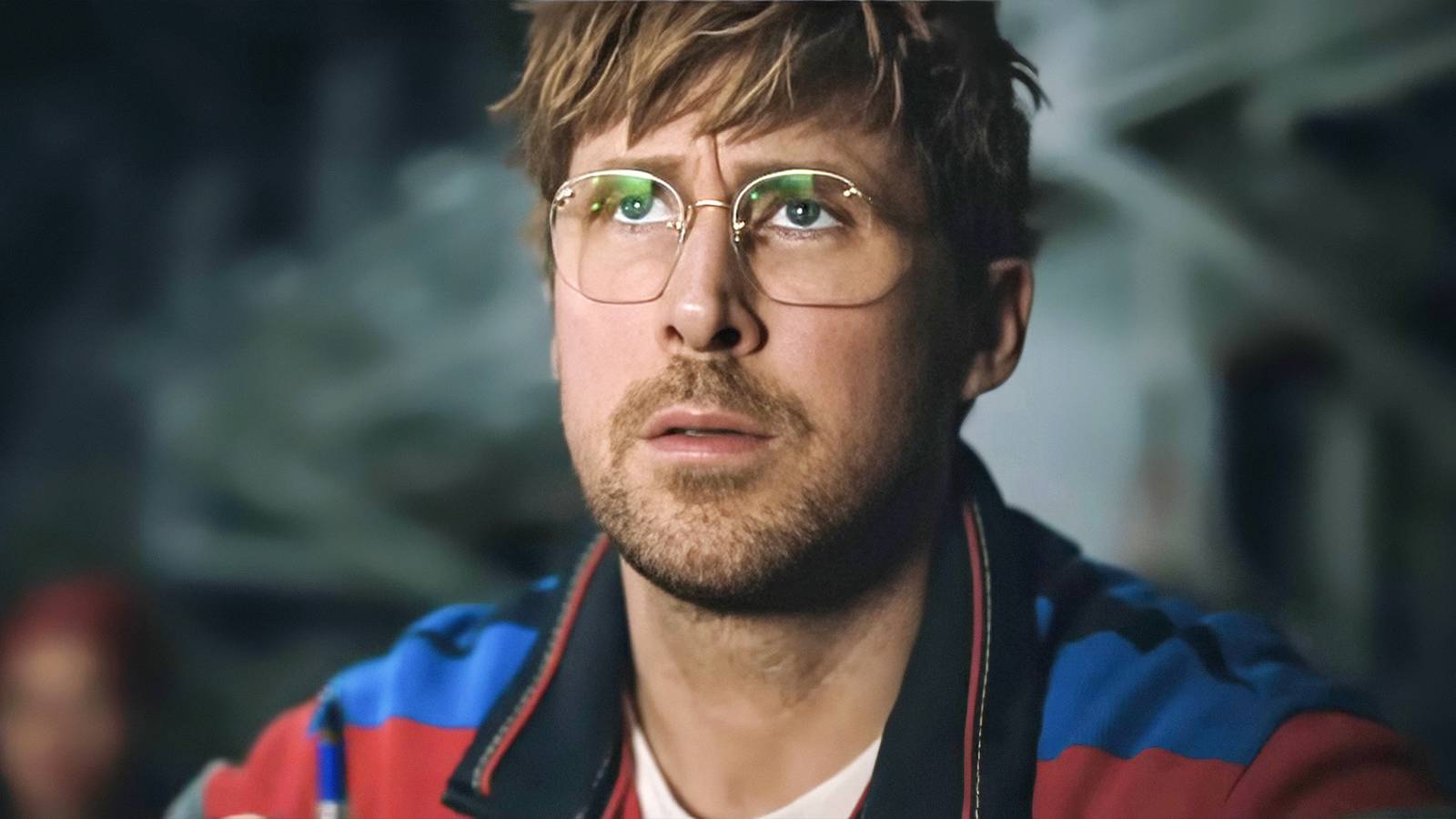
Ryan Gosling's portrayal of Ryland Grace largely embodies the brilliant but initially isolated scientist from the page. However, the film amplifies his role on Earth, positioning him as the leading authority on the mysterious Astrophage threat. A more significant addition is the character of Carl, played by Lionel Boyce, who becomes Grace's research partner and friend. This cinematic invention replaces the internal monologues of the book, giving Grace someone to verbally spar with and creating the film's first heartfelt bromance. Grace himself is portrayed as slightly less socially awkward, actively forming bonds with his future crewmates, which makes their ultimate fate more poignant.
Eva Stratt's Softer Side
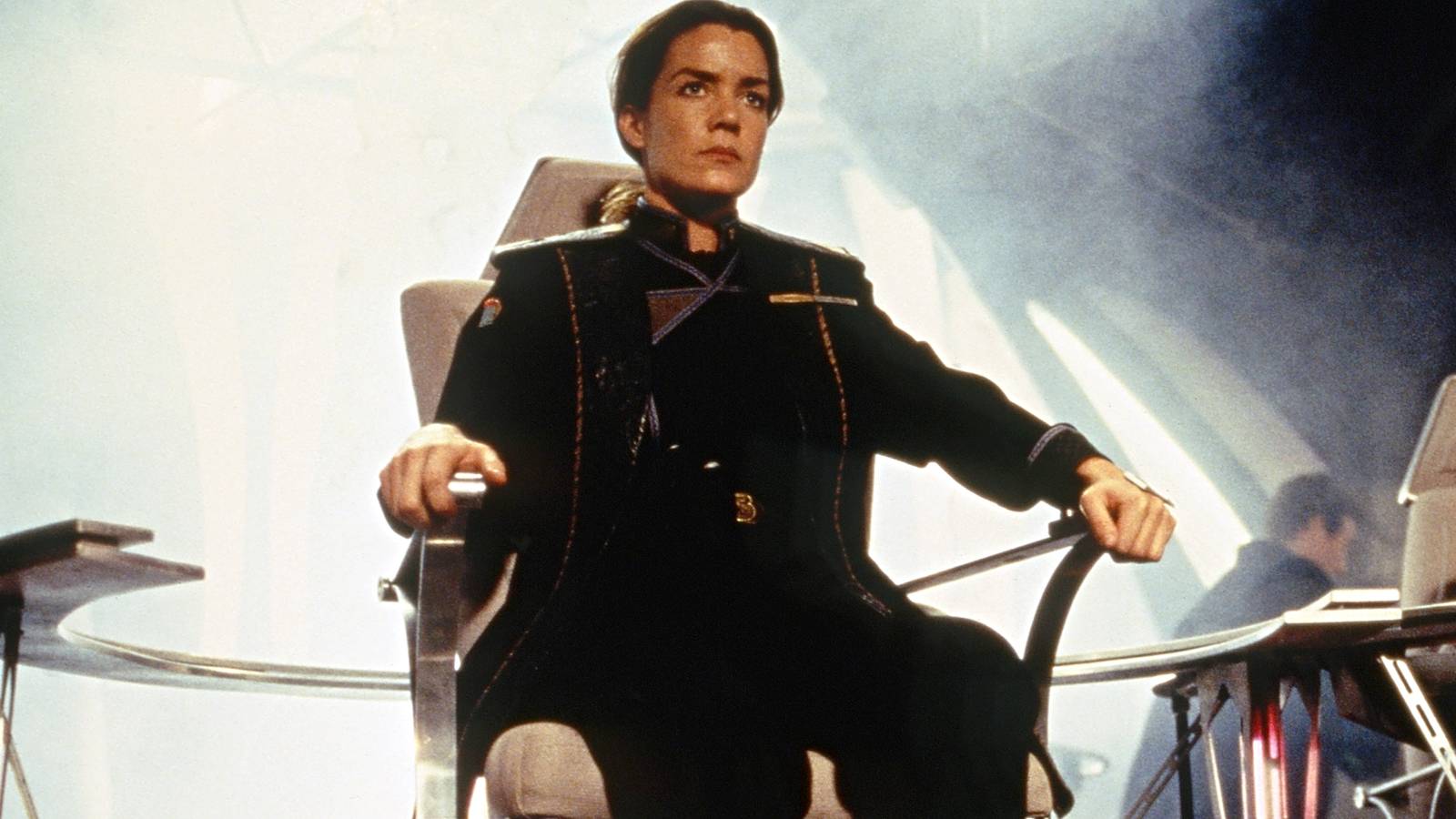
Sandra Hüller brings a compelling complexity to the formidable Eva Stratt. The film version allows glimpses of warmth beneath her stern exterior, including a memorable karaoke scene and a hinted-at flirtation with Grace. This is a departure from the novel's Stratt, who is portrayed as almost clinically cold, ruthlessly focused on the mission with a presidential pardon in her pocket and little regard for personal connections. The movie retains her decisive edge but humanizes her considerably.
Rocky's Makeover
The alien engineer Rocky remains the heart of the story, but his translation to film involved notable adjustments. Visually, he sports distinctive "tattoos" not described in the book and has a different body structure. His habits are also altered; the film downplays the Eridians' deeply private and graphic eating process. One of the biggest changes is in communication: while the book has Grace learning to understand Rocky's native language, the film introduces a speaking device for instant translation. Furthermore, the dramatic rescue scene plays out differently, and Grace's eventual tour of Rocky's ship is a cinematic gift not found in the original text.
A Darker Path to the Stars
Perhaps the most striking alteration involves how Ryland Grace ends up on the Hail Mary mission. The film presents him as the obvious expert choice. The novel, however, reveals a darker truth: Grace is selected largely because he possesses a rare coma-resistant gene after other candidates perish. His refusal to volunteer leads to him being forcibly sedated and given amnesia-inducing drugs—a coerced hero's journey that author Andy Weir has said he prefers the film for changing. This shift fundamentally alters the tone of Grace's participation.
Life on Erid and Beyond
The film's ending shows Grace living in a human-friendly habitat on the alien world Erid. The book explores this in more nuanced detail, highlighting the strange reality of his survival there, including the synthetic nature of his food since nothing native is edible. These final moments cement the profound friendship at the story's center, a theme both versions celebrate, even if their roads to get there differ.
These adaptations demonstrate the careful balancing act of bringing a dense sci-fi novel to life. While purists may note the differences, the changes have largely been praised for enhancing the film's emotional resonance and visual storytelling. The movie's success, including its impressive record-breaking opening and its position as a major box office hit for Ryan Gosling, proves that sometimes, changing the source material can lead to a stellar result all its own.