Adapting a beloved book for television used to be a gamble—a test of whether a story's magic could survive the leap from page to screen. But as the medium has evolved, so has the approach. Today's prestige dramas don't just retell the story; they use the source material as a springboard to explore new depths, expand universes, and even diverge into uncharted territory. The result? A new kind of adaptation that honors the original while forging its own path.
None of this would be possible without a truly exceptional book at the core. From domestic thrillers to speculative sci-fi, these novels are standouts in their genres, many of them bestsellers. Each one has become the foundation for a critically acclaimed series, and in every case, the reading experience is just as rewarding as the watching.
The Leftovers: A Study in Grief and Meaning
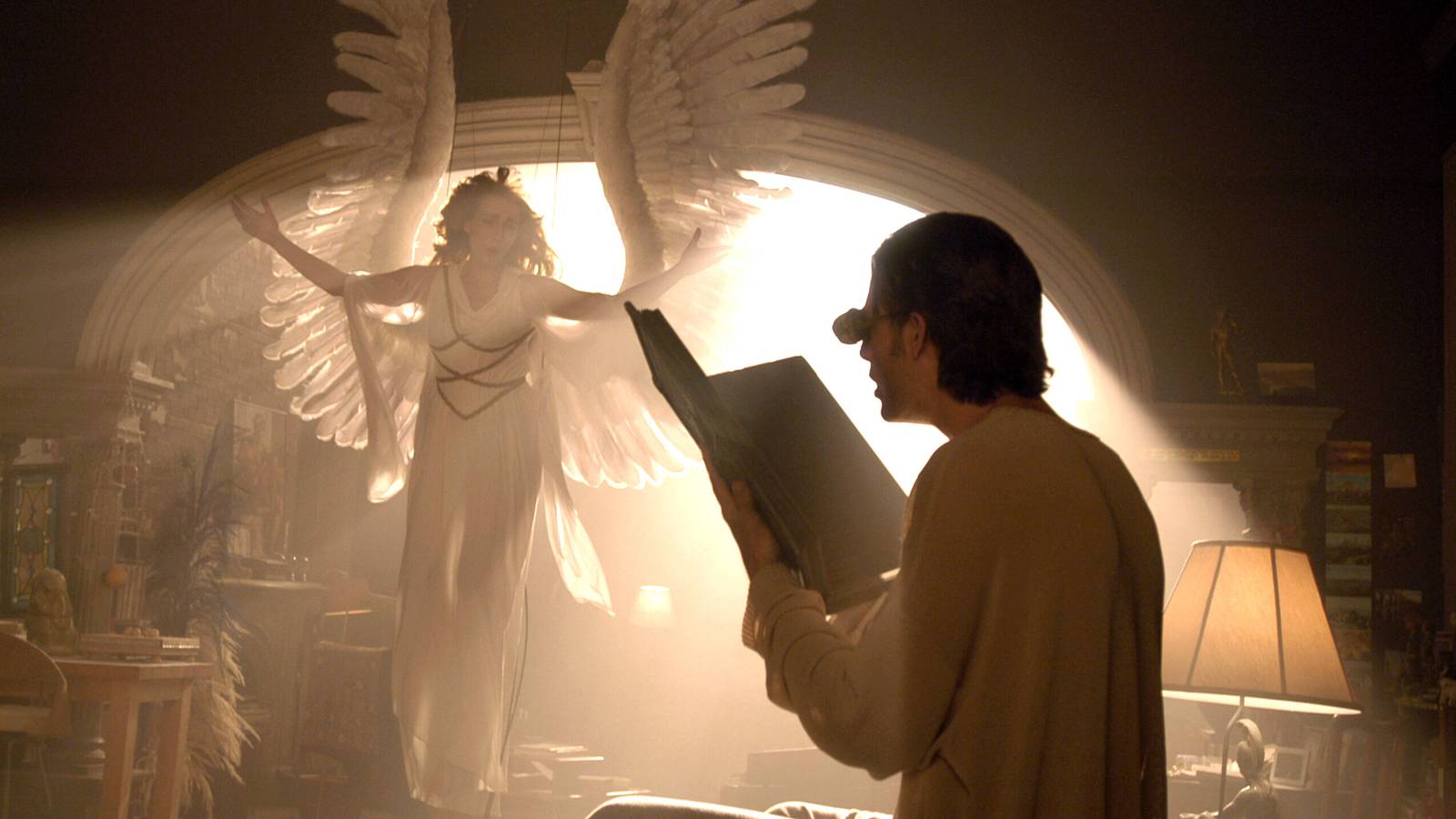
Tom Perrotta's The Leftovers is set three years after a rapture-like event that causes 2% of the world's population to vanish without explanation. The novel doesn't try to solve the mystery; instead, it focuses on the psychological aftermath in the fictional town of Mapleton, New York, through the fractured Garvey family. It's a profound exploration of how people cope with unanswerable questions—by clinging to routine, joining nihilistic cults, or following charismatic leaders who promise answers.
When HBO optioned the book, Perrotta teamed up with Lost co-creator Damon Lindelof. The first season stays close to the novel's gritty tone, but it's in the second and third seasons that the show truly takes flight, leaving the book behind to explore the global impact of the Sudden Departure in increasingly surreal and compelling ways. While the novel remains a powerful read, the series expands into one of HBO's most daring and unforgettable dramas.
The Night Manager: A Post-Cold War Spy Thriller
John le Carré's The Night Manager marked a departure from his Cold War classics, diving into corporate greed and international arms dealing. The story follows Jonathan Pine, a former soldier turned luxury hotel night manager, who is recruited by British intelligence to infiltrate the circle of Richard Onslow Roper, a charismatic but ruthless arms dealer. It's a tense, morally ambiguous thriller that pits two formidable characters against each other.
The 2016 BBC/AMC adaptation starred Tom Hiddleston and Hugh Laurie, and while it stayed largely faithful to the novel, it updated the setting to the post-Arab Spring era and made a key change by casting Olivia Colman as Pine's handler. The most significant divergence was the ending, which set up a continuation. Nearly a decade later, the series returned for a second season on BBC and Prime Video, and a third is on the way, promising even more explosive twists.
Dark Matter: A Multiverse of Possibilities
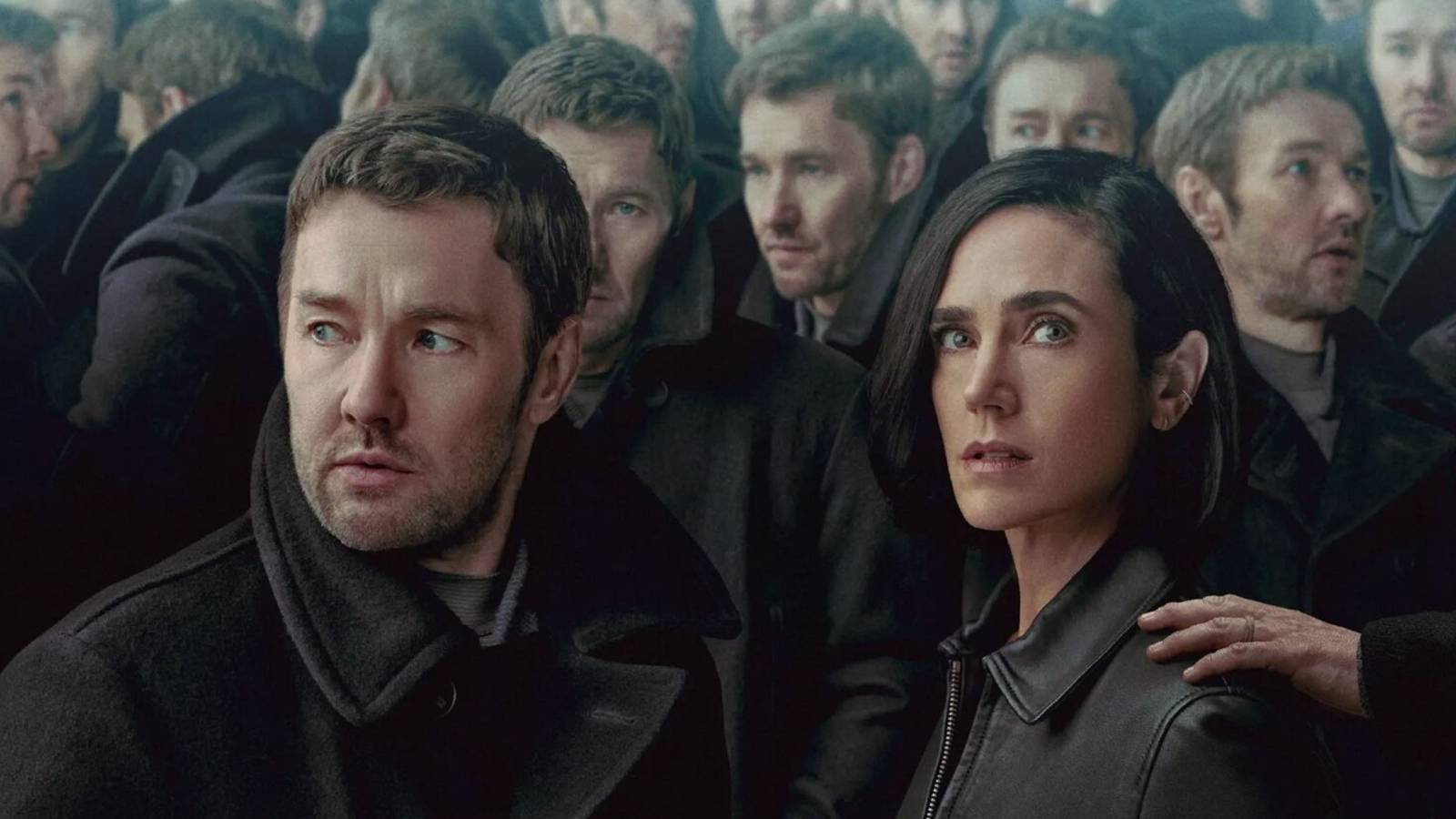
Blake Crouch's Dark Matter is a mind-bending sci-fi thriller rooted in the many-worlds interpretation of quantum mechanics. Jason Dessen, a physicist who gave up a brilliant career for family life, is kidnapped by an alternate version of himself—one who chose science over love. Jason is thrust into a multiverse where he must fight his way back to his family, confronting versions of himself and the choices he didn't make.
Crouch, who previously adapted his Wayward Pines trilogy for TV, took on the role of showrunner for the Apple TV+ adaptation. The first season, starring Joel Edgerton and Jennifer Connelly, closely followed the novel. But the second season will venture into new territory, with a story designed to unfold over two seasons. It's a bold move that promises to expand the world of Dark Matter beyond the book.
These three examples illustrate a broader trend in prestige television: the willingness to let a great book be the starting point, not the final word. Whether it's breaking new ground beyond the source material or ranking the best of a genre, the best adaptations respect their origins while daring to dream bigger.
As streaming platforms continue to invest in high-quality drama, the relationship between literature and television grows ever more symbiotic. For readers, these shows offer a chance to see beloved stories come to life—and for viewers, they're an invitation to dive into the original texts. Either way, the book is just the beginning.