Science fiction has always been a perfect fit for the big screen. From the earliest days of cinema, filmmakers have used the genre to explore distant worlds, futuristic technology, and the darkest corners of human imagination. But what makes a great sci-fi film has changed drastically over the years. What thrilled audiences in the 1930s looks nothing like the blockbusters we watch today. Yet each decade has produced at least one sci-fi masterpiece that defined the era and set the stage for everything that followed.
1930s: Frankenstein (1931)
In the early days of sound cinema, sci-fi often took the form of monster movies. While films like The Invisible Man and Dr. Jekyll and Mr. Hyde had their moments, James Whale's adaptation of Mary Shelley's Frankenstein stands above them all. Boris Karloff's iconic performance as the creature, combined with stunning black-and-white visuals, created a film that still defines how we picture Frankenstein's monster today. Nearly a century later, it remains the definitive version of Shelley's story.
1940s: Krakatit (1948)
The 1940s were a quiet decade for sci-fi, with most releases being forgettable monster sequels. But one film broke the mold: the Czechoslovakian mystery Krakatit. Based on a novel, it follows a chemist haunted by his role in creating a powerful explosive. The film uses hallucinations and nightmarish imagery to warn about the dangers of the Cold War, years before the world fully understood the threat. It's a hidden gem that deserves far more recognition. For more underrated classics, see adventure classics that set the standard.
1950s: Godzilla (1954)
Before Godzilla became a blockbuster franchise, Ishirō Honda's original film was a sobering metaphor for nuclear destruction. Released less than a decade after Hiroshima and Nagasaki, it used a giant monster to explore humanity's capacity for self-destruction. The practical effects still hold up, and the film's themes remain painfully relevant. While later sequels focused on monster battles, the original Godzilla is a haunting masterpiece that launched an entire genre.
1960s: 2001: A Space Odyssey (1968)
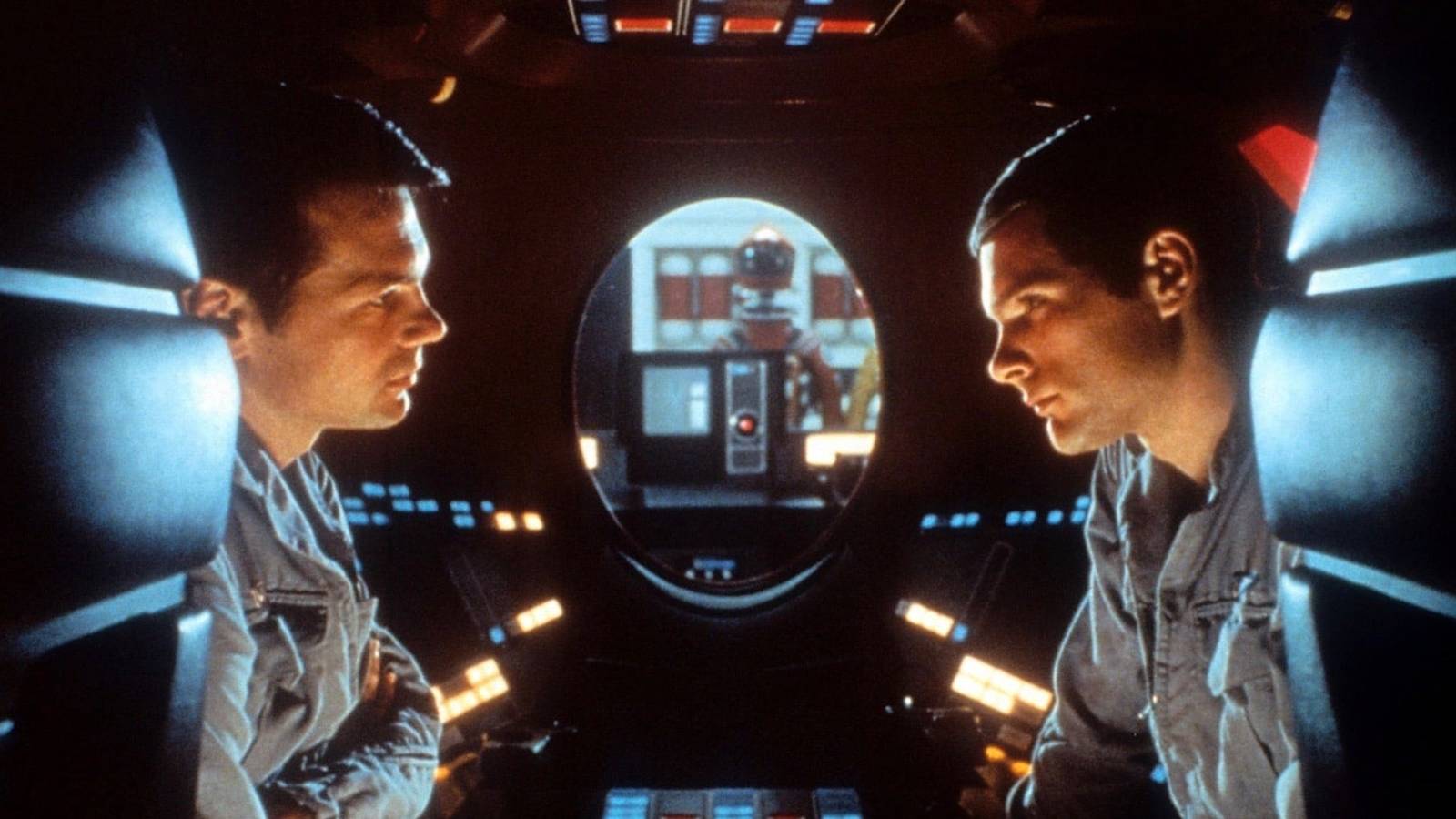
As space exploration captured the world's imagination, Stanley Kubrick delivered what many consider the greatest sci-fi film ever made. 2001: A Space Odyssey is a visual and narrative triumph, blending groundbreaking effects with a deeply layered story about evolution, technology, and the unknown. Its influence is everywhere, from horror classics that still terrify to modern epics. It's a monolith of cinema that only grows more impressive with time.
1970s: Star Wars (1977)
George Lucas's original Star Wars didn't just define sci-fi for the 1970s—it changed blockbuster cinema forever. Its cultural impact is so massive that it often eclipses the genre itself. When people think of sci-fi, they think of lightsabers, the Force, and the Millennium Falcon. While other great films like Alien and Close Encounters of the Third Kind emerged that decade, Star Wars remains the undisputed champion. Its legacy continues to shape films, TV shows, and even gaming classics today.
Each of these films represents a turning point in sci-fi history. They pushed boundaries, asked big questions, and entertained millions. And as the genre continues to evolve, one thing is clear: science fiction will always be at the forefront of cinematic innovation.