Horror films often capture the anxieties of their era, but many lose their potency as the years roll by. Yet a select few manage to defy the passage of time, retaining their ability to unsettle and thrill audiences even two decades or more after their debut. These are the rare gems that continue to resonate, whether through timeless themes, masterful storytelling, or sheer visceral impact.
From creature features to psychological thrillers, the following ten movies span a wide range of subgenres, yet they all share a common thread: they remain as effective today as they were on release. Some tap into primal fears of the unknown, while others explore the darkness within humanity itself. Regardless of their approach, each of these films has earned its place in the horror hall of fame.
May (2002)
Lucky McKee's May is a cult classic that continues to captivate with its unsettling portrait of loneliness and madness. The film follows May, a young woman with a lazy eye who has endured a lifetime of bullying. She finds solace in her quirky charm, which initially attracts Adam, a man who appreciates her oddities. But when he leaves, May's fragile psyche unravels, leading to a chilling transformation. Angela Bettis delivers a haunting performance, and the film's exploration of isolation and obsession remains as relevant as ever.
Ginger Snaps (2000)
John Fawcett's Ginger Snaps cleverly uses lycanthropy as a metaphor for adolescence, particularly the tumultuous transition into womanhood. Sisters Ginger and Brigitte share a morbid fascination with death, but their bond is tested when Ginger is bitten by a werewolf on the night of her first period. As Ginger embraces her newfound popularity and feral instincts, Brigitte races to find a cure. The film's sharp wit and feminist undertones have made it a touchstone for modern werewolf movies.
Open Water (2003)
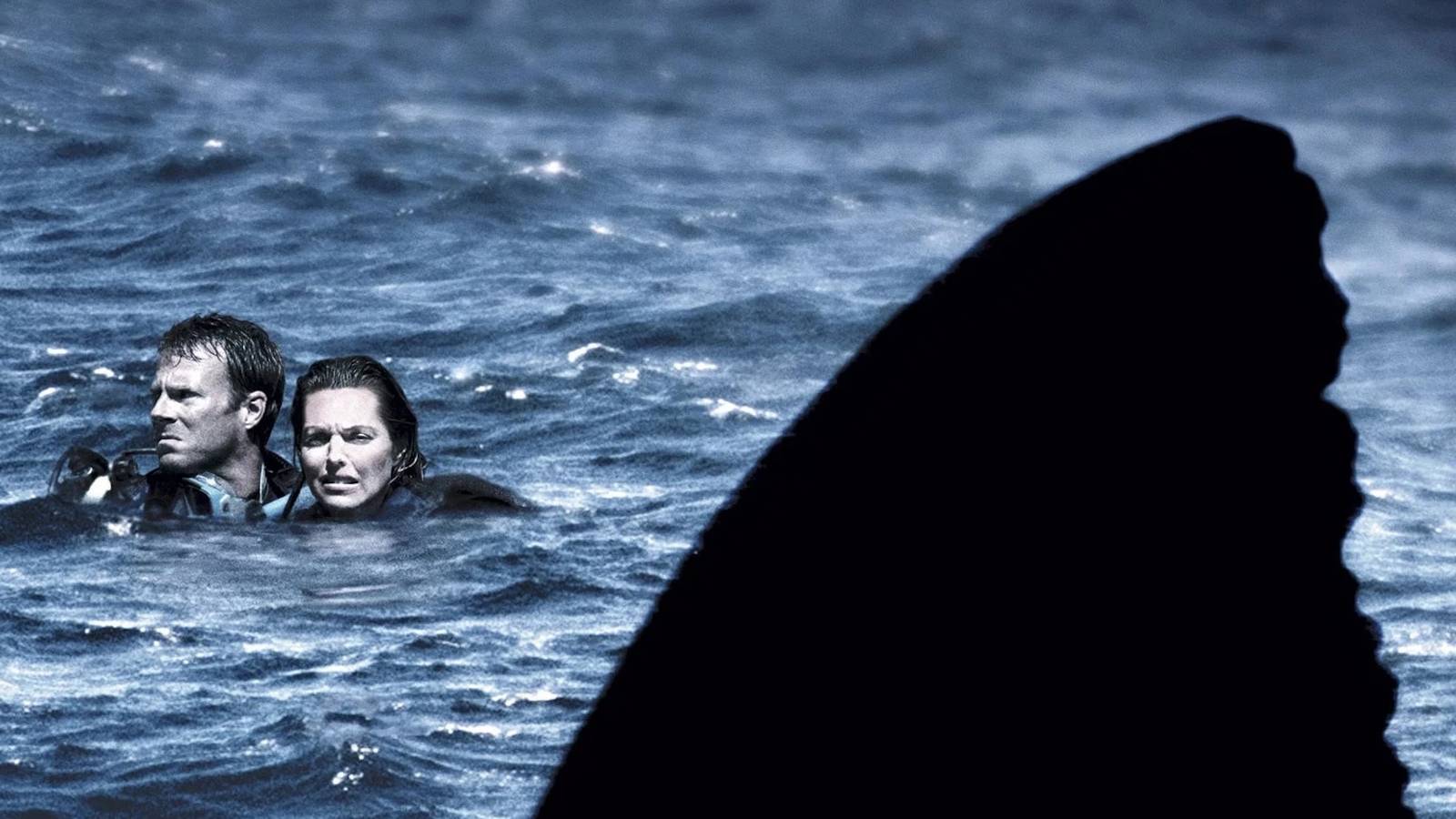
In a genre flooded with CGI sharks, Open Water stands out for its minimalist approach. Shot on a shoestring budget, the film relies on tension and realism to terrify. A couple left behind during a diving trip must survive in shark-infested waters, and the film's focus on their deteriorating relationship adds a layer of psychological depth. The unseen threat lurking beneath the surface is far more frightening than any special effect, proving that less can indeed be more.
The Descent (2005)
Neil Marshall's The Descent is a masterclass in claustrophobic horror. Six women embark on a caving expedition, but their adventure turns into a nightmare when they become trapped and are hunted by grotesque creatures. The film excels at building tension, both through the physical dangers of the cave and the emotional baggage the characters carry. Sarah's grief over her family's death adds a poignant layer, making the terror feel all the more visceral.
These films, along with others like Cabin Fever and Saw, have left an indelible mark on the genre. They remind us that true horror doesn't rely on cheap scares but on deep-seated fears that transcend time. Whether it's the fear of being forgotten, the terror of the unknown, or the monsters within ourselves, these movies continue to resonate with audiences, proving that some nightmares never fade.